Priyank Kharge hits out at Bommai govt over Rs. 25L compensation to Harsha's family from govt funds
Asks how much compensation was given to martyred soldier Althaf's family
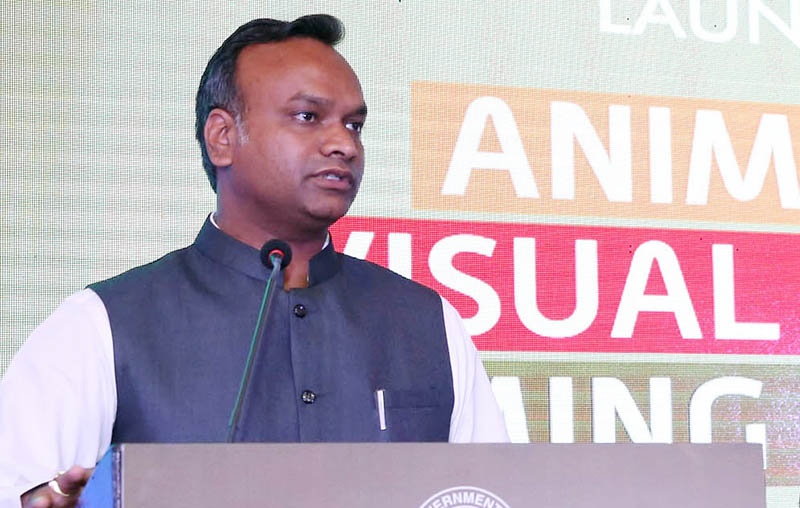
Bengaluru: Former Karnataka Minister Priyank Kharge on Wednesday hit out at the state government adding that it was misusing the government funds by compensating it to the families of its party’s slain workers.
Referring to the state government’s move to give compensation of Rs. 25 lakh to the family of Harsha who was killed in Shivamogga last month, Kharge also asked the government whether any such compensation has so far been handed over to the family of the martyred soldier from Madikeri, Althaf who was killed while serving in the army earlier last month.
“Has the BJP government changed the definition of patriotism? By granting money to the Godse worshipper, does the BJP approve the killing of Gandhi? CM must answer”, he wrote in a series of tweets on Wednesday.
“What is the agenda behind government compensating the family of Harsha in Shivamogga with 25 lakh rupees? Under what rule are they giving away people’s tax money? Has this government been giving similar compensation to those who were killed due to personal enmity in the state?” he questioned.
“It is learned that the deceased Harsha had several serious cases registered against him. In 2020, this same government sent him to jail, and even Shivamogga’s in-charge minister Narayangowda has said that this was a murder that occurred due to personal enmity. The investigation report by the police has not yet come out. When this is the case, why and how was the compensation money given? he questioned.
“It is shocking to see this government which has been troubling the victims of the flood and family of those who died during the COVID without compensating them, give 25 lakhs in compensation to their party’s worker! If they possess such a generous heart, why haven’t they given the same to the murdered Dalit youth’s family in Dharmasthala, who was murdered by a BJP leader? Why haven’t they given it to the family of Kodagu’s martyred soldier?
“If they want to give funds from the BJP party, not 25 lakhs let them even give 25 crores, but who gave them the authority to misuse the government’s fund?” he questioned.
ಗಾಂಧಿಯ ಕೊಲೆಗಾರ ಗೋಡ್ಸೆಯಲ್ಲಿ ದೇಶಭಕ್ತಿ ಕಾಣುವ ವ್ಯಕ್ತಿಯ ಸಾವಿಗೆ 25 ಲಕ್ಷ ನೀಡಿದ ಸರ್ಕಾರ, ದೇಶದ ಗಡಿ ಕಾಯುತ್ತಾ ಮೃತನಾದ ಯೋಧ ಅಲ್ತಾಫ್ಗೆ ಎಷ್ಟು ನೀಡಿದೆ?
— Priyank Kharge / ಪ್ರಿಯಾಂಕ್ ಖರ್ಗೆ (@PriyankKharge) March 9, 2022
ದೇಶಭಕ್ತಿಯ ವ್ಯಾಖ್ಯಾನ ಬದಲಿಸಿದೆಯೇ ಬಿಜೆಪಿ ಸರ್ಕಾರ?
ಗೋಡ್ಸೆ ಆರಾಧಕನಿಗೆ ಹಣ ನೀಡುವ ಮೂಲಕ ಗಾಂಧಿ ಹತ್ಯೆಯನ್ನು ಅನುಮೋದಿಸುತ್ತದೆಯೇ ಬಿಜೆಪಿ?
ಸಿಎಂ ಉತ್ತರಿಸಬೇಕು.
5/5
Let the Truth be known. If you read VB and like VB, please be a VB Supporter and Help us deliver the Truth to one and all.
NEET student hangs self in Rajasthan's Sikar
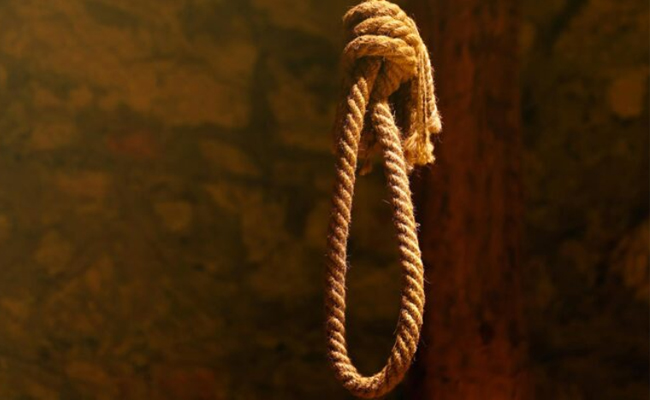
Jaipur (PTI): A student preparing for the NEET examination allegedly committed suicide by hanging himself in a rented room in Rajasthan's Sikar on Friday, police said.
According to the police, the student allegedly hanged himself from a ceiling fan using his sister's scarf while one sister was attending coaching classes and the other was in the bathroom.
He had appeared in the NEET UG exam 2026, which was cancelled due to paper leak, they said.
Udyog Nagar SHO Rajesh Kumar said that the deceased, identified as Pradeep Meghwal, was a resident of Kanika ki Dhani village in Jhunjhunu's Gudha Gaudji area.
He had been living in a rented room in Sikar's Jaldhari Nagar area with his two sisters while preparing for NEET over the last three years.
His elder sister later found him hanging and informed the landlord and police after bringing him down, officials said.
The SHO said the body was kept at SK Hospital mortuary, and a postmortem had not been conducted.
The student's father, Rajesh Kumar Meghwal, told police that Pradeep's NEET examination had gone well and the family was expecting him to score around 650 marks.
Former Rajasthan deputy chief minister Sachin Pilot expressed grief over the incident and linked it to anxiety among students after reports of irregularities and paper leaks in NEET 2026.
Pilot said repeated paper leak incidents and cancellation of examinations were affecting students' mental health and demanded a time-bound investigation and strict action against those responsible.