Protest on Twitter against Manivannan transfer
#BringBackManivannan campaign for pro-worker officer
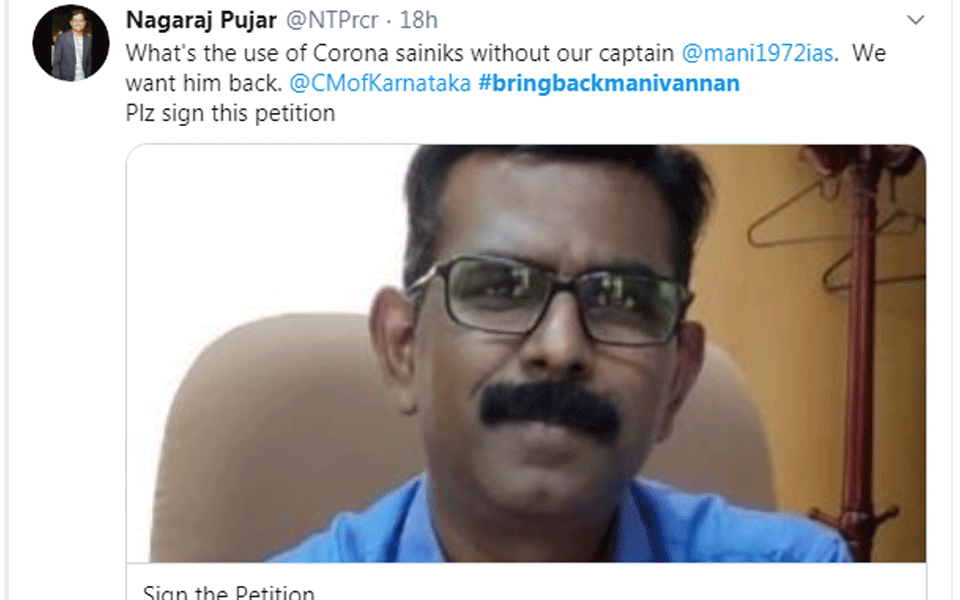
Bengaluru: The sudden transfer of chief secretary of the Labour Department P Manivannan, who had stood up for workers during the Corona lockdown, has given rise to objection by the working class.
While IAS officer Maheshwar Rao has been given the charge in the Department, the member of the Corona Warriors team have expressed shock on hearing of Manivannan's transfer. They have even declared that they were withdrawing from any kind of Corona-related work.
The ire is being expressed even on social media, with the #BringBackManivannan trending. The labour unions are demanding a withdrawal of the transfer, warning of staging a protest otherwise.
Manivannan had recently warned of taking action against factory owners who failed to pay the April salary to their workers. The government is being accused of transferring the officer due to pressure from industrialists.
Manivannan had also objected to the government decision to pass an ordinance on the amendment to the labour law to increase the working hours from eight to 12 without consulting leaders of labour unions.
The government has said that the transfer was due to complaints received against Manivannan on irregularities in supply of grocery kits, but the protesters have pointed out that the officer had refused legislators supply of ration kits, calling this a reason for transfer.
AITUC general secretary M D Harigovind said that the industrialists had objected to opening of an online portal for workers' complaints regarding pay and demanded Manivannan's transfer. “The government has agreed to the demand,” he concurred.
The Aam Aadmi Party and the CPM too have criticised Manivannan's transfer after he had worked effectively in the state government's struggle against spread of Corona.
In Karnataka an IAS officer has been removed from current role as Principal Secretary of the Labour Department as well as the Information and Public Relations Department.
— AutoRaja (@AutoRaja1212) May 12, 2020
Reason: He was sincere & hard working@CMofKarnataka @IASassociation#BringBackCaptain #BringBackManivannan pic.twitter.com/CRaFaWZBeO
In Karnataka an IAS officer has been removed. He is honest and hardworking person. Karnataka government should bring them back on duty. #BringBackCaptain #BringBackManivannan pic.twitter.com/lfHMBpFcDN
— Kartik Sharma (@kartiks2607) May 12, 2020
Our Journey as a Corona Warrior (Citizen Volunteer) started from this tweet. From day 1 we have worked under the guidance of Capt.
— Vijay Doddaveeraiah (@vDoddaveeraiah) May 11, 2020
& we have accomplished a lot by helping public during this Pandemic. #BringBackManivannan pic.twitter.com/al4629fKAR
Karnataka Govt decides to transfer IAS officer who was good with communication. @mani1972ias who was Principal Secretary, Labour Department.
— Gulbarga Temperature (@GulbargaTemper1) May 11, 2020
Earlier It was @mmiask Mohammad Mohsin IAS,
&
Now It's @mani1972ias Captain Manivannan !#BringBackManivannan pic.twitter.com/BjMONPR4K9
Just some pictures that speak volumes. Volunteers came together only because of one honest officer's clarion call. @mani1972ias @BSYBJP @PMOIndia @narendramodi #BringBackManivannan #BringBackCaptain #CaptainManivannan pic.twitter.com/uh5HqoQ9jW
— Vasudha Varma (@VarmaVasudha) May 12, 2020
#BringBackCaptain @BSYBJP @HMOIndia
— Pradeep Kumar (@pradeepzone) May 11, 2020
this is not the right time to do such circus
We the people of KA need him in DIPR#Bringbackmanivannan@nimmasuresh @Swamy39 @bunty6510
This tweet from @mani1972ias sir is the sole reason why manyof us volunteered and having personally seen his incredible leadership I urge his reinstatement immediately.@DIPR_COVID19 @BSYBJP #bringbackmanivannan #bringbackcaptain pic.twitter.com/IgRdRqXb1I
— suhas (@suhas_azadi) May 11, 2020
In Karnataka an IAS officer has been removed from current role as Principal Secretary of the Labour Department as well as the Information and Public Relations Department.
— Divya Singh Rajput (@DivyaSinhRajput) May 12, 2020
Reason: He was sincere & hard working@CMofKarnataka @IASassociation#BringBackCaptain #BringBackManivannan pic.twitter.com/4u3SjRE6jP
Let the Truth be known. If you read VB and like VB, please be a VB Supporter and Help us deliver the Truth to one and all.
Bengaluru jail introduces biometric tracking system for prisoners
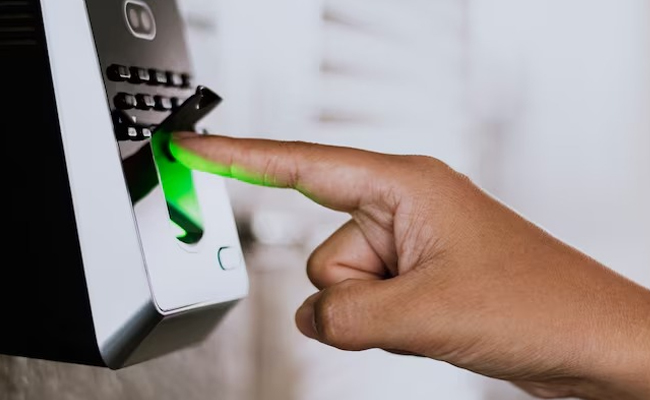
Bengaluru: In a bid to curb misconduct and illegal activities inside Parappana Agrahara Central Prison, prison authorities have introduced a new ‘Prisoners Tracking Movement System’ under which inmates will have to undergo biometric verification while entering every barrack.
According to jail officials, biometric systems have been installed across all major sections of the prison, including barracks, visitor rooms, hospital, canteen, kitchen, library, playground, handicraft units and bakery sections. Staff members have also been deployed at these locations.
Officials said inmates visiting the visitors’ room must now obtain a digital token after biometric verification. Details such as the prisoner’s name, identification number and entry time will be updated in the prison software system. This will help authorities maintain a complete digital record of inmates visiting and returning from meeting rooms.
Similar systems have also been introduced at entry points of the hospital, library and other barracks accessed for work-related purposes. Officials said the system will help identify prisoners involved in suspicious or illegal activities with other inmates and enable authorities to track how much time a prisoner spends at different locations inside the prison.
Authorities stated that AI-powered cameras were already being used inside the prison to monitor inmates as well as prison staff. Along with this, digital tracking of prisoner phone calls and a digital token system for visitor meetings have now been added to strengthen surveillance over inmate movement. Officials said the project has been implemented at a cost of around Rs 2.25 crore.
The prison department has also introduced a canteen usage tracking system to monitor prisoners’ spending patterns. Instead of direct cash payments, inmates can purchase bakery items and snacks using wallets or coupons issued within the prison system.
Officials said the digital system will record details including the buyer’s name, items purchased, quantity, date, time and remaining wallet balance. This will allow prison authorities to maintain complete expenditure records of inmates.