QR codes in BMTC buses ready for scanning, but payments on hold
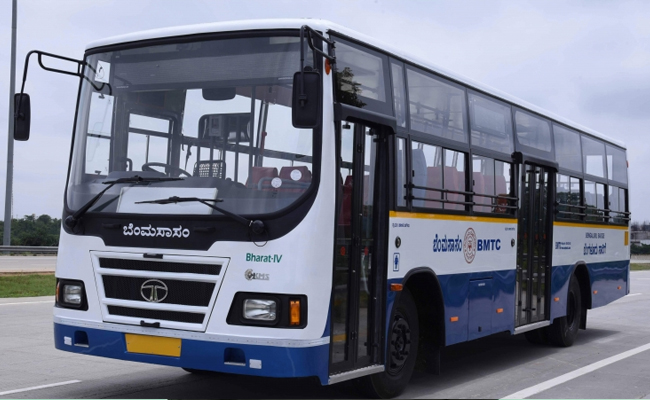
Bengaluru: The Bengaluru Metropolitan Transport Corporation (BMTC) has rolled out QR-code based UPI payments in most of its buses, but the new system is facing underutilisation. This is reportedly due to conductors discouraging passengers from using the digital payment option.
QR code posters are now displayed on the side panels of many BMTC buses, allowing passengers to make digital payments. Once a payment is confirmed, conductors issue tickets as usual. However, the UPI payment system is yet to be fully implemented.
“In a city like Bengaluru, where UPI is the norm everywhere, from tea stalls to high-end stores, it’s honestly disappointing that the lifeline of Bengaluru, the BMTC buses hasn’t embraced it yet fully,” Aditi Reddy, a daily commuter, told the New Indian Express. She added that living in a tech-driven city, it’s frustrating to see public transport stuck in the past, noting that digital payments would save time and make travel more convenient, especially during peak hours when buses are crowded.
BMTC conductors, on the other hand, highlighted several challenges with adopting QR code-based UPI payments. They cited issues with poor internet connectivity in certain areas, leading to payment verification failures. This makes it difficult to confirm if payments have been successfully processed.
Additionally, conductors pointed out the increased workload due to the Shakti scheme, which provides free bus travel for women. A BMTC bus conductor explained to the publication that they are required to verify the Aadhaar card of every woman passenger and issue zero tickets. On top of this, they must also check daily and monthly passes, student passes, and other documents. Conductors mentioned that juggling these tasks while trying to verify UPI payments, particularly during busy hours, makes the process challenging.
Let the Truth be known. If you read VB and like VB, please be a VB Supporter and Help us deliver the Truth to one and all.
US–Iran first round direct talks conclude in Islamabad: Report
_vb_48.jpeg)
The first round of direct talks between the United States and Iran, held in Islamabad, has concluded, Al Jazeera reported citing sources close to the development.
According to the report, following the discussions, delegations from both sides agreed to exchange written documents, a move aimed at ensuring clarity and consensus on the understandings reached during the meeting.
Both the Iranian and US delegations arrived in Islamabad on Saturday, April 11, amid high security for the peace talks.

_vb_17.jpeg)