Ready to exempt GST, royalty on construction material if Centre cooperates: CM Bommai
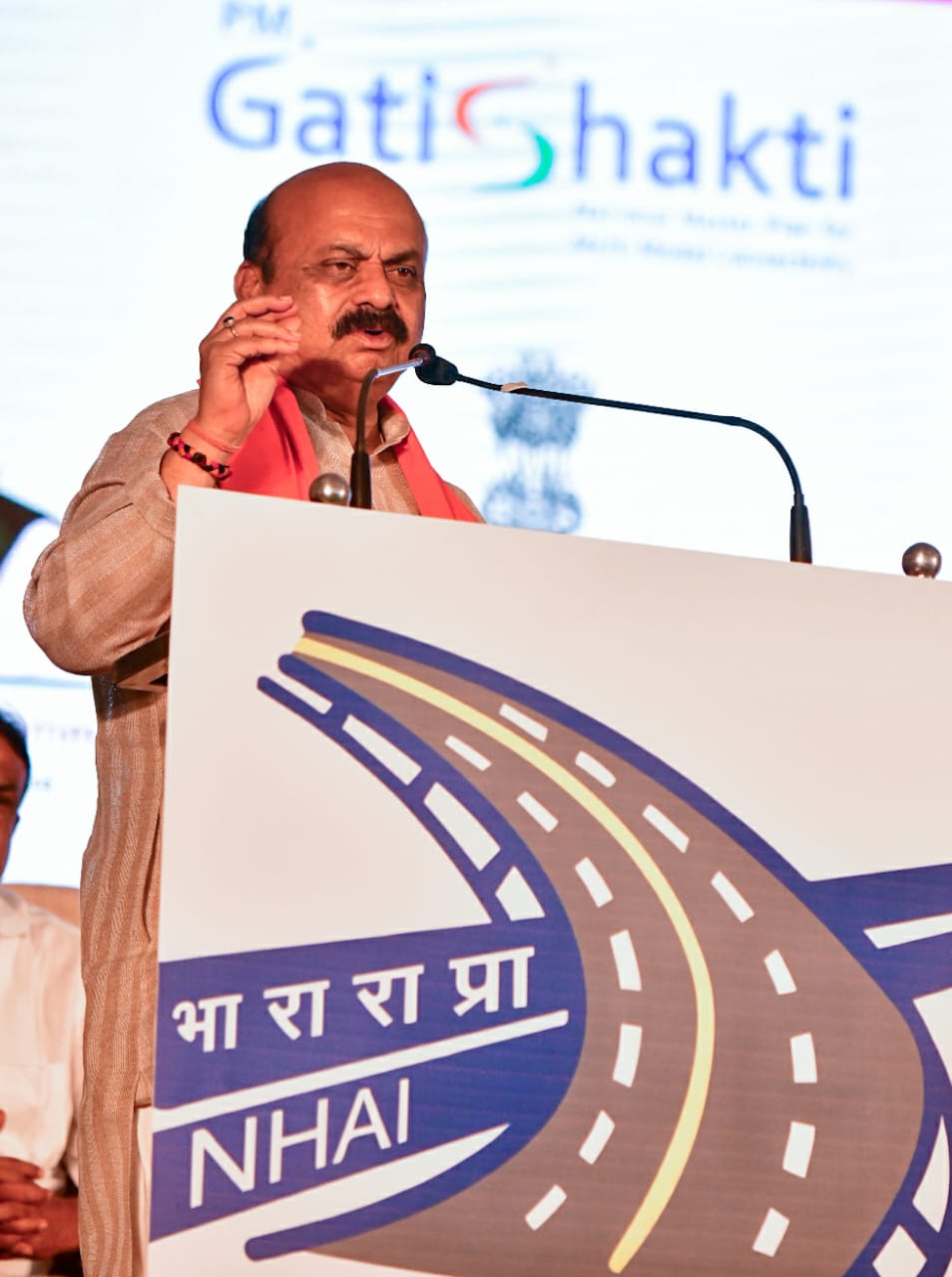
Hubballi, Feb 28: Karnataka Chief Minister Basavaraj Bommai on Monday said his government was ready to offer GST and royalty exemption on cement, steel and other construction material if the Union government bears 25 per cent of the land acquisition cost for the projects.
He was speaking during the foundation laying ceremony for 925 kilometres of national highway projects worth Rs 12,795 crore.
Union Minister for Surface Transport and National Highways Nitin Gadkari was present on the occasion and laid the foundation stone for the projects.
Bommai said if the Centre agrees to his proposal, a Memorandum of Understanding would be signed in this regard.
He also said the state government is ready to offer similar concessions in implementing the Satellite Town Ring Road project in Bengaluru and in other cities like Kalaburagi and Belagavi.
"Karnataka is a progressive state. The state government would offer complete cooperation for development works, especially in northern Karnataka," Bommai said.
He was all praise for the work culture, commitment and pace of Gadkari. "What was considered impossible earlier is now being turned into reality under the leadership of Prime Minister Narendra Modi. Gadkari has successfully implemented Modi's thinking on the development front," Bommai said.
Stating that Gadkari has made immense contribution for the development of northern Karnataka, Bommai said the completion of four-lane Hospet-Hubballi highway and Chitradurga-Hubballi highway has brought big relief from the problems and accidents for the people in this region.
The Chief Minister requested Gadkari to take up work on Kaiga to Ilkal road as part of the Naragund-Bilagi-Gajendragad-Kushtagi-Sindhanur National Highway-115.
Let the Truth be known. If you read VB and like VB, please be a VB Supporter and Help us deliver the Truth to one and all.
NEET student hangs self in Rajasthan's Sikar
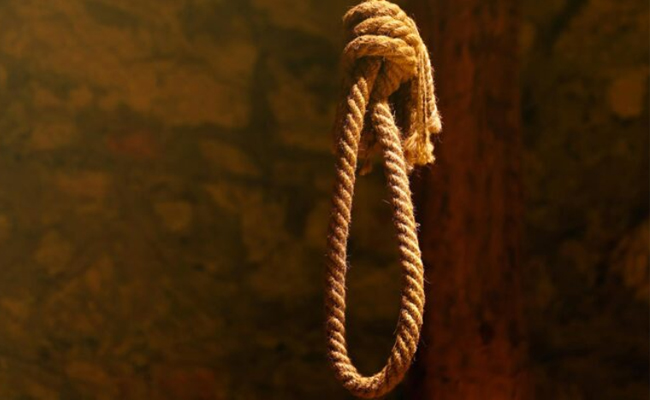
Jaipur (PTI): A student preparing for the NEET examination allegedly committed suicide by hanging himself in a rented room in Rajasthan's Sikar on Friday, police said.
According to the police, the student allegedly hanged himself from a ceiling fan using his sister's scarf while one sister was attending coaching classes and the other was in the bathroom.
He had appeared in the NEET UG exam 2026, which was cancelled due to paper leak, they said.
Udyog Nagar SHO Rajesh Kumar said that the deceased, identified as Pradeep Meghwal, was a resident of Kanika ki Dhani village in Jhunjhunu's Gudha Gaudji area.
He had been living in a rented room in Sikar's Jaldhari Nagar area with his two sisters while preparing for NEET over the last three years.
His elder sister later found him hanging and informed the landlord and police after bringing him down, officials said.
The SHO said the body was kept at SK Hospital mortuary, and a postmortem had not been conducted.
The student's father, Rajesh Kumar Meghwal, told police that Pradeep's NEET examination had gone well and the family was expecting him to score around 650 marks.
Former Rajasthan deputy chief minister Sachin Pilot expressed grief over the incident and linked it to anxiety among students after reports of irregularities and paper leaks in NEET 2026.
Pilot said repeated paper leak incidents and cancellation of examinations were affecting students' mental health and demanded a time-bound investigation and strict action against those responsible.