Ready to facilitate talks between Karnataka, Tamil Nadu on Mekedatu: Union Jal Shakti Minister
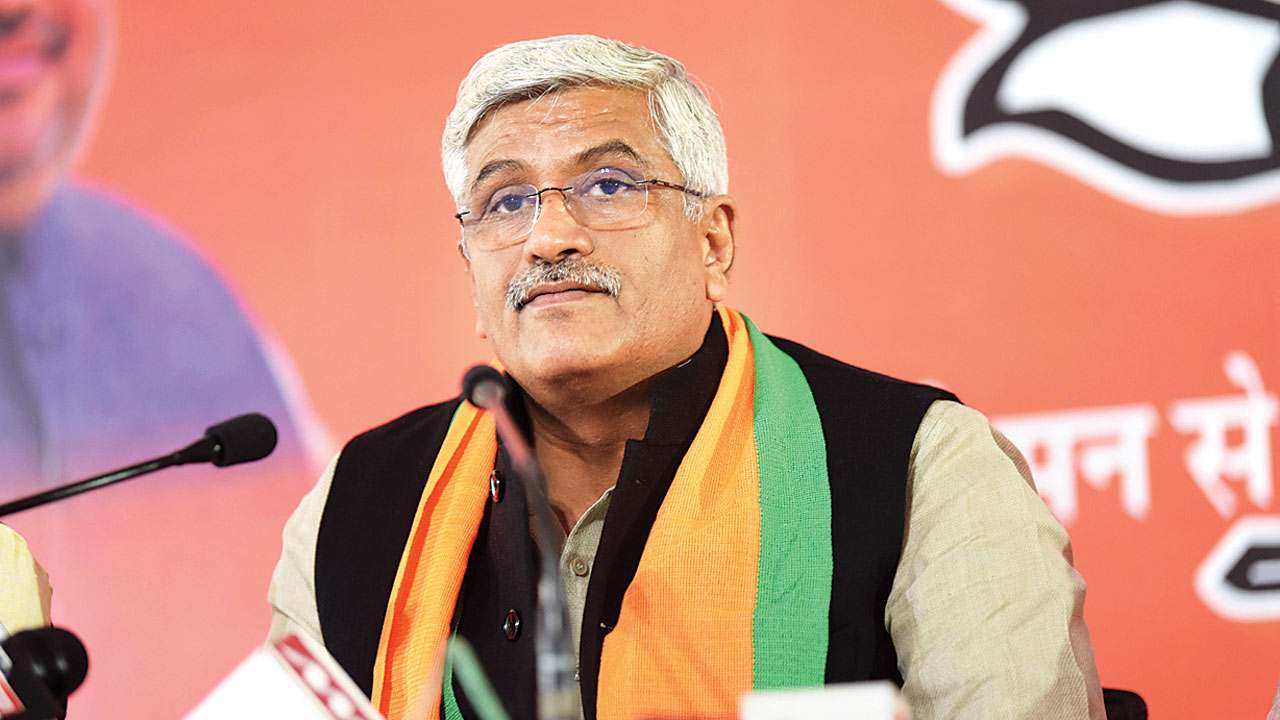
Bengaluru, Mar 5: Union Jal Shakti Minister Gajendra Singh Shekhawat on Saturday said the Centre is ready to facilitate talks between Karnataka and Tamil Nadu on the Mekedatu project across the Cauvery river.
The minister was in the city for the southern states' conclave on the 'Jal Jeevan Mission' and 'Swachh Bharat Mission' (Rural) Projects.
"We are in the process of doing that...I can't assure you how long it will take as consensus has to be built," Shekhawat said in response to a question whether the Centre would make the two states sit together regarding Mekedatu.
"By sitting together, any sort of problem can be addressed. I wish all stakeholder states can sit together and address the issue so that this year onward the new Mekedatu project can see the light of day, he said.
Citing Uttar Pradesh and Madhya Pradesh as an example for resolving water disputes through talks, the minister said both states have agreed on providing water to the fields of water-parched Bundelkhand area and linkage of the Ken-Betwa rivers.
Hoping that the Mekedatu project is implemented, he did not want to talk much on the matter, as it is sub-judice.
Expressing his government's commitment to the Mekedatu project by getting required clearances from the appropriate authority of central government, Karnataka Chief Minister Basavaraj Bommai in the budget presented by him on Friday, has provided a grant of Rs 1,000 crore in the current year for implementation of the project.
The Mekedatu multi-purpose (drinking and power) project involves building a balancing reservoir near Kanakapura in Ramanagara district. Neighboring Tamil Nadu is opposed to the project, while Karnataka awaits central clearances.
The estimated Rs 9,000 crore project once completed is aimed at ensuring drinking water to Bengaluru and neighbouring areas (4.75 TMC) and it can also generate 400 MW power.
Karnataka has maintained that the project within its territory will benefit both states as the surplus water stored can be managed between the two during a distress year, and its implementation will in no way affect the interests of Tamil Nadu's farming communities, as there will be no impact on its share of water.
However, the neighbouring state is of the view that the project would impound and divert" the uncontrolled water flow due to Tamil Nadu from Kabini sub-basin, the catchment area below Krishnarajasagara, and also from Simsha, Arkavathy and Suvarnavathi sub-basins besides other small streams.
Congress in Karnataka had recently held a padayatra' (foot march), demanding implementation of the Mekedatu project at the earliest, stating that it is a drinking water project with no legal hurdles.
Blaming Congress for inter-state water disputes, Shekhawat said they have no moral right to question the BJP, which can only resolve such issues, including Mekedatu.
However, he pointed out that water is a state subject and states have to come together and solve issues. "....technically, we can and are ready to facilitate states by making them sit together."
Let the Truth be known. If you read VB and like VB, please be a VB Supporter and Help us deliver the Truth to one and all.
NEET student hangs self in Rajasthan's Sikar
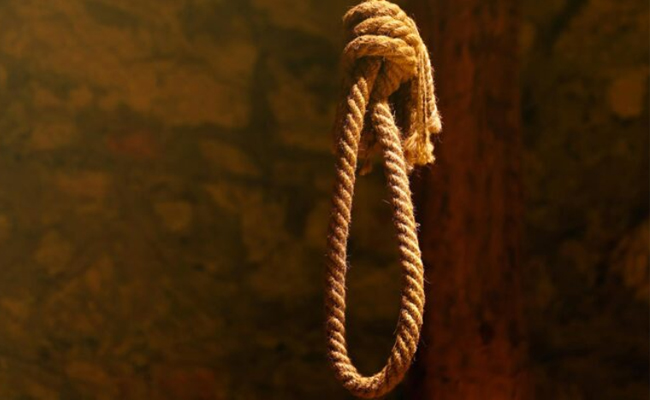
Jaipur (PTI): A student preparing for the NEET examination allegedly committed suicide by hanging himself in a rented room in Rajasthan's Sikar on Friday, police said.
According to the police, the student allegedly hanged himself from a ceiling fan using his sister's scarf while one sister was attending coaching classes and the other was in the bathroom.
He had appeared in the NEET UG exam 2026, which was cancelled due to paper leak, they said.
Udyog Nagar SHO Rajesh Kumar said that the deceased, identified as Pradeep Meghwal, was a resident of Kanika ki Dhani village in Jhunjhunu's Gudha Gaudji area.
He had been living in a rented room in Sikar's Jaldhari Nagar area with his two sisters while preparing for NEET over the last three years.
His elder sister later found him hanging and informed the landlord and police after bringing him down, officials said.
The SHO said the body was kept at SK Hospital mortuary, and a postmortem had not been conducted.
The student's father, Rajesh Kumar Meghwal, told police that Pradeep's NEET examination had gone well and the family was expecting him to score around 650 marks.
Former Rajasthan deputy chief minister Sachin Pilot expressed grief over the incident and linked it to anxiety among students after reports of irregularities and paper leaks in NEET 2026.
Pilot said repeated paper leak incidents and cancellation of examinations were affecting students' mental health and demanded a time-bound investigation and strict action against those responsible.