Red alert sounded in seven districts of Karnataka
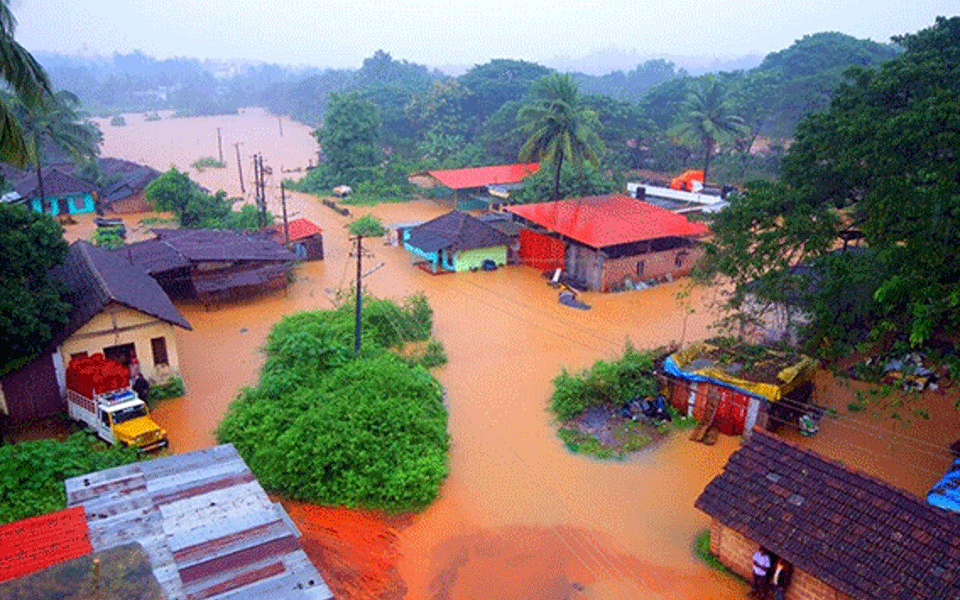
Bengaluru: A red alert has been sounded in seven districts of rain-ravaged Karnataka where one more death was reported on Sunday, taking the toll to 13.
According to the Karnataka State Natural Disaster Monitoring Centre, there would be heavy rain for the next 24 hours in coastal areas, in the northern and in the interior parts of the south.
The red alert has been issued in Dakshina Kannada, Udupi, Uttara Kannada, Chikkamagaluru, Hassan, Kodagu and Shivamogga as they would get heavy rainfall.
As on Sunday, Cauvery and Krishna rivers were flowing above the danger mark, and the sluice gates of the dams were opened. Due to the release of water, many regions in the low-lying areas were inundated.
In the Cauvery basin, Krishnaraja Sagar Dam, Harangi, Hemavathi, and Kabini Dams were almost full.
In view of the swollen Cauvery river, the Mandya district administration put barricades near the Sri Nimishamba Temple near Ganjam in Srirangapatna Taluk to ensure the safety of public in general and pilgrims and tourists in particular.
"The public is not allowed to venture into the Cauvery River as a precautionary measure," read a statement issued by the office of the Deputy Commissioner of Mandya District Dr M V Venkatesh.
In Kodagu, the situation remained grim due to a heavy downpour and incidents of landslides were reported.
Congress state president D K Shivakumar, on a two-day tour of Kodagu from Saturday, visited many relief camps and spoke to the people there. Also, he inspected a few places which suffered severe damages due to landslides. Later, Shivakumar issued a statement saying the district has been suffering rain-related damages and all political parties should come to the aid of the people.
In Belagavi, reports emerged that youth got swept away in the rain.
In Mysuru, the Hebbal lake was overflowing.
Eighty relief camps have been set up to house 1,600 people as 278 houses have been fully damaged and 2,140 partially damaged, according to the Disaster Monitoring Centre.
A total of 23 animals have perished in the rains which destroyed 31,541 hectares of crops while inundating 35,000 hectares of horticultural crops. The State government has released Rs 50 crore as an initial amount to carry out relief and rehabilitation work.
Let the Truth be known. If you read VB and like VB, please be a VB Supporter and Help us deliver the Truth to one and all.
Over 50% new faces elected to Majlis-e-Islah wa Tanzeem executive committee
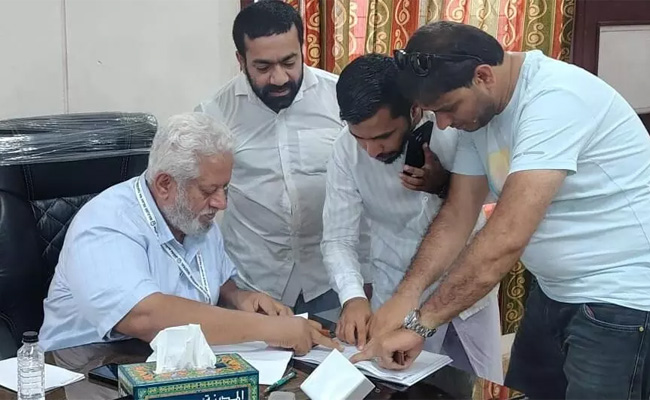
Bhatkal: More than 50 per cent of the members elected to the executive committee of Majlis-e-Islah wa Tanzeem in its triennial elections are new faces, with a significant number of young members getting an opportunity in the organisation’s executive committee.
Polling for eight constituencies in different parts of Bhatkal was held on May 12, in which 24 members were elected. In addition, 20 members were elected unopposed from seven constituencies.
The keenest contest was witnessed in Constituency No. 14, where 10 candidates were in the fray for five seats.
With this, the process of electing members to the organisation’s 132-member executive council from Bhatkal and other regions has been completed.
Election Commissioner Mohiuddin Altaf Kharoori said the induction of a large number of new members into the executive committee has brought fresh enthusiasm to the organisation.