Rising maintenance costs in Bengaluru apartments due to water and security expenses
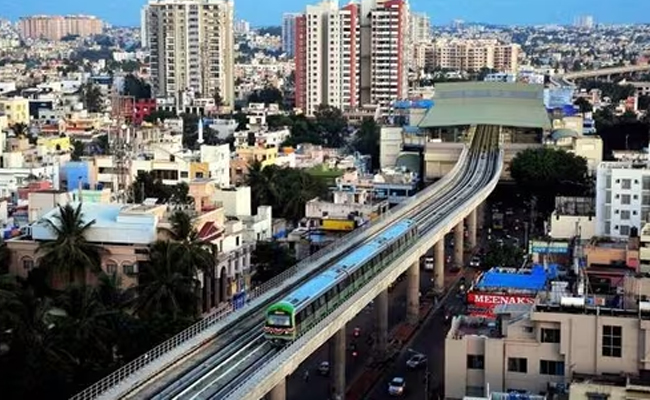
Bengaluru: The maintenance charges in Bengaluru's apartment complexes have seen a significant increase, primarily driven by the rising costs of water and security. Many residents are now facing higher monthly expenses, with water charges being a major contributor due to the reduced supply from the Bangalore Water Supply and Sewerage Board (BWSSB) and the increasing reliance on expensive tanker water.
At Trifecta Starlight in Garudacharpalya, the monthly water expenses per flat have surged from Rs 415 to Rs 1,500 since April. Pradeep Chenthati, the treasurer of the complex, noted that their maintenance costs are expected to rise from Rs 1 crore in 2023-24 to Rs 1.22 crore this financial year.
Similarly, Nikoo Homes-1 in Bhartiya City, a large complex with over 2,400 flats, has seen a 21% increase in water charges in 2023-24, on top of a 14% rise the previous year. Maintenance costs in this complex have also risen by over 10%, with rates per square foot increasing for the first time in several years.
Security expenses are another factor driving up maintenance costs. Complexes are facing challenges due to the increasing number of e-commerce delivery personnel entering the premises. To manage this, some complexes have deployed additional security and installed tracking devices to monitor visitors. At SMD Altezz in Kadugodi, security costs have risen as the complex has taken measures to restrict the movement of delivery personnel after 10:30 pm.
The Bengaluru Apartments’ Federation (BAF) has reported that Resident Welfare Associations (RWAs) are struggling to keep maintenance charges below Rs 7,500 per month, with the 18% GST applied to charges exceeding this amount adding to the financial burden on residents.
Let the Truth be known. If you read VB and like VB, please be a VB Supporter and Help us deliver the Truth to one and all.
Trump says he ‘hasn’t even thought about’ continuing Iran ceasefire
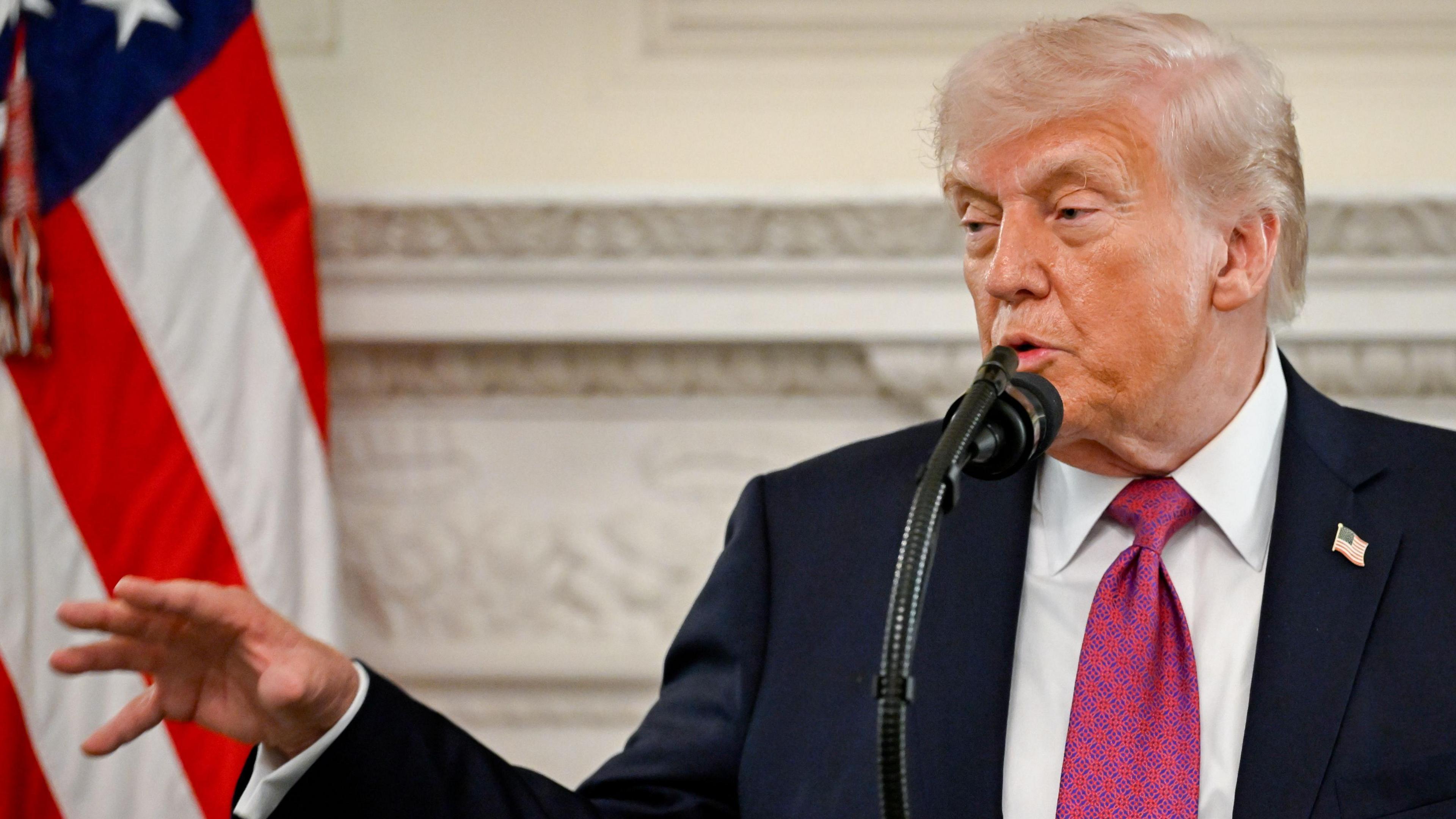
Washington: US President Donald Trump has said he has not yet considered whether he would continue the ceasefire involving Iran, while also claiming the United States holds the advantage in negotiations.
Speaking to reporters, Trump said he was prepared to make a deal with “whoever is running the show” in Iran.
“They are fighting with each other, there’s tremendous infighting. They’re probably fighting for leadership in many cases. I think they’re fighting not to be leader because we knocked out two levels of leaders,” he said.
Trump added, “When they want they can call me. We have all the cards, we’ve won everything.”
Referring to ongoing negotiations, he said, “They gave us a paper that should’ve been better. And, interestingly, immediately when I cancelled it [envoy trip to Pakistan], within 10 minutes we got a new paper that was much better.”
“We talked about they will not have a nuclear weapon, very simple … They offered a lot, but not enough,” he added.
When asked whether he would continue the ceasefire, Trump replied, “I haven’t even thought about it.”
The remarks come as uncertainty remains over the future of the temporary truce and broader negotiations between Washington and Tehran.