RSS ideology does not align with democratic system: G. Parameshwara
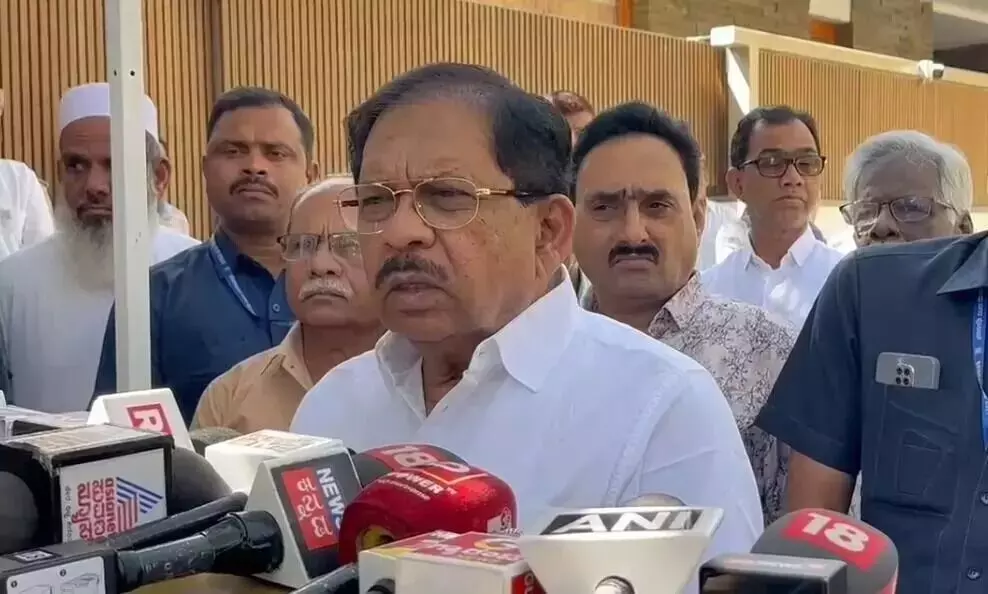
Bengaluru: State Home Minister G. Parameshwara has stated that the ideology of the Rashtriya Swayamsevak Sangh (RSS) does not align with democratic principles, even after the organization has completed a century of existence.
Speaking to reporters in the city on Sunday, Parameshwara noted that while the RSS is not a new organization, its ideas remain inconsistent with the values of a democratic system. He added that discussions regarding this issue have taken place from time to time.
Referring to the 2013 decision by then-Chief Minister Jagadish Shettar to ban RSS activities in the state, Parameshwara remarked with irony that when they make such orders today, it is questioned, whereas Shettar’s actions at the time caused no controversy.
On the matter of a Panchayat Development Officer (PDO) from Raichur being suspended for participating in an RSS event, Parameshwara clarified that government employees are not allowed to participate in political organizations or hold membership in them. He emphasised that the suspension was taken in accordance with these rules.
Let the Truth be known. If you read VB and like VB, please be a VB Supporter and Help us deliver the Truth to one and all.
Pune airport runway restored after IAF aircraft snag; ops resume
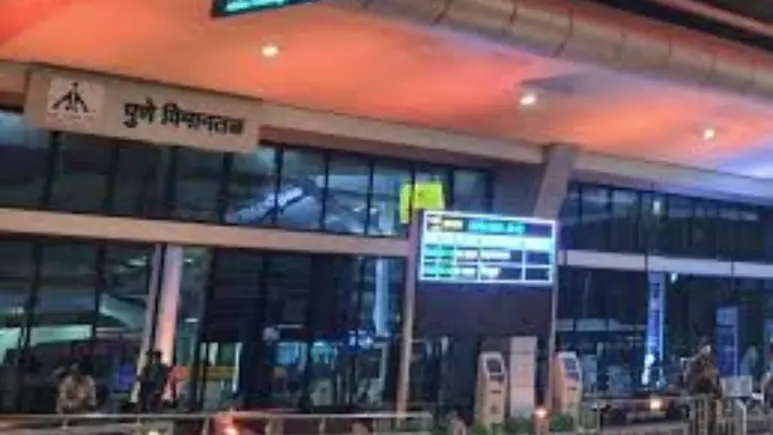
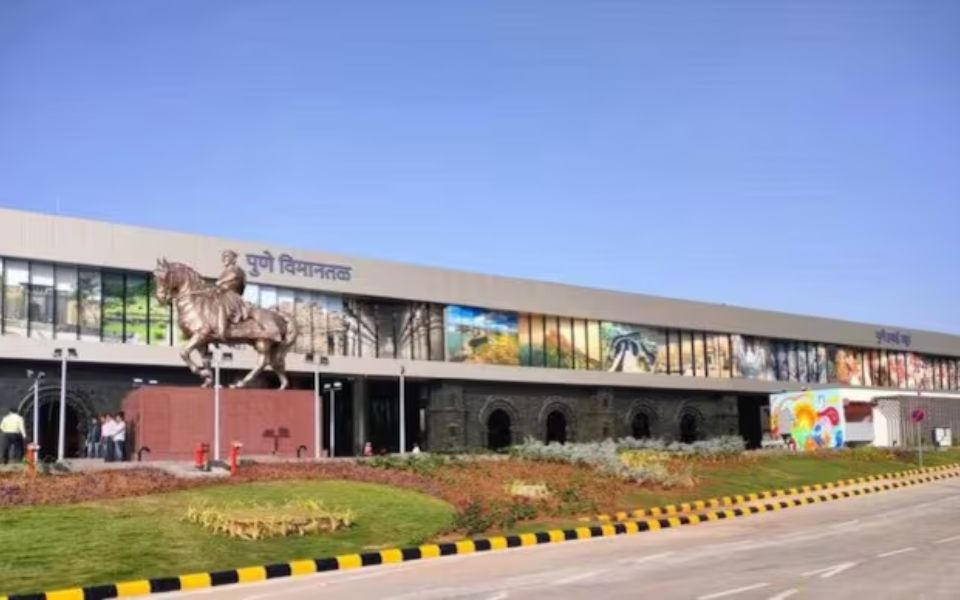
Pune (PTI): The runway at Pune airport, which was temporarily unavailable due to an incident involving an Indian Air Force (IAF) aircraft, has now been restored and declared operational, the Air Force said on Saturday.
The authorities at the Pune International Airport had earlier said that around 10.25 pm on Friday, a fighter aircraft experienced an undercarriage failure during landing, causing the runway to be blocked.
As many as 91 flights of airlines, including IndiGo, Air India, SpiceJet, Akasa, and Air India Express, were affected due to the incident, they said.
Earlier on Friday night, the Air Force had stated that the runway at Pune airport was temporarily unavailable following an incident involving one of its fighter aircraft. The aircrew are safe, and there is no damage to civil property, it had said.
"The runway at Pune Airport, which was temporarily unavailable due to an incident involving an Indian Air Force aircraft, has now been restored and declared operational. All necessary safety inspections and clearances have been completed. Operations are resuming in a phased manner," it said in a post on X.
Flight operations at Pune airport are being gradually restored. The situation has been brought under control with the highest priority given to the safety of citizens, a Defence PRO said.