RTC workers' strike begins in Karnataka, bus services hit
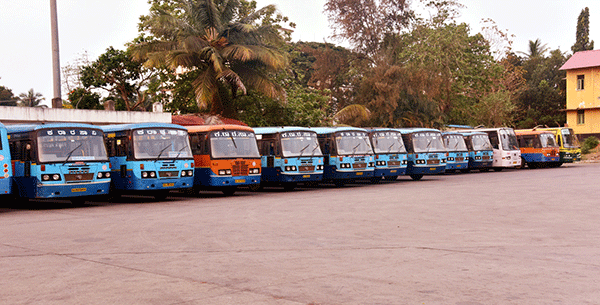
Bengaluru, Apr 7: Bus services were affected in most parts of Karnataka on Wednesday as drivers and conductors of road transport corporations began their indefinite strike on wage related issues.
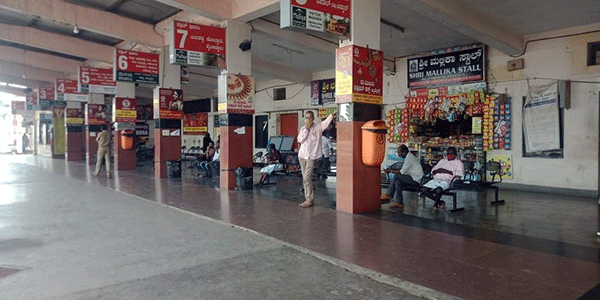
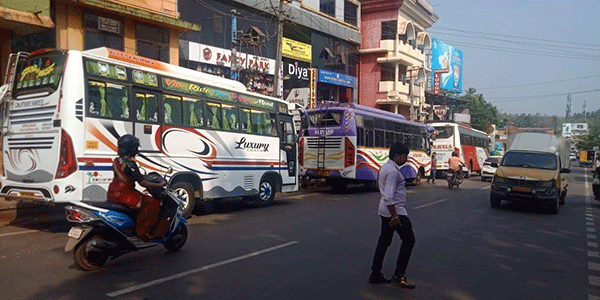
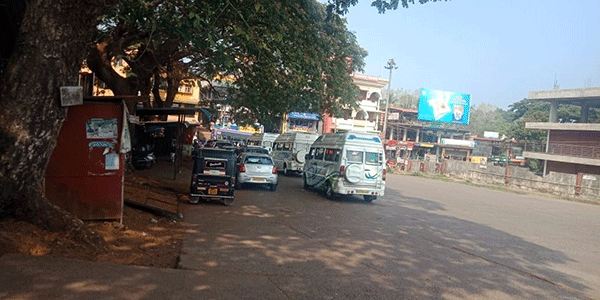
Commuters were left stranded at bus stations across the city, with Bangalore Metropolitan Transport Corporation (BMTC) buses remaining off the roads. Similar reports are emerging from various parts of the state.
Bus services in several cities, including Bengaluru, were thrown out of gear from Tuesday afternoon itself after drivers and conductors decided not to work the second shift.
Passengers travelling to and from distant areas and office goers were the most affected.
Several universities in the state have postponed exams because of the RTC workers strike.
The government has tried to make alternate arrangements by roping in private transport operators, and has sought deployment of more trains, aimed at addressing inconvenience caused to the public due to the stir.
Private buses, maxi cabs and other transport services were seen operating in different parts of the city, coming to the rescue of stranded passengers.
However, their operators said the number of passengers was not as usual and was scarce.
They said many passengers are using their own vehicles or have made arrangements on their own.
People were also seen using cabs, metro and auto rickshaws in the city.
Metro has decided to increase the frequency of its services between 7 am and 9 pm.
Workers of BMTC, Karnataka State Road Transport Corporation (KSRTC), North Western Karnataka Road Transport Corporation (NWKRTC) and North Eastern Karnataka Road Transport Corporation (NEKRTC), under the banner of Karnataka State Road Transport Employees League, have given a call for strike from April 7.
The protest is against the government's failure to implement a salary under the 6th Pay Commission for the RTC workers.
They decided to go ahead with the strike, despite the government warning of strict action and ruling out any negotiations with them.
While making it clear that the implementation of the 6th pay commission for transport workers was not possible, the government however has agreed for an 8 per cent increase in salary as an interim relief.
However, it said, it cannot be implemented immediately as the model code of conduct is in place and a letter has been sent to the Election Commission seeking permission.
Warning the employees against going on strike during the COVID-19 situation, officials had said "no work no pay", while indicating about even invoking Essential Services Maintenance Act (ESMA) if the strike continues.
At some places there were complaints about private services including buses, autos and cabs charging exorbitantly, taking advantage of the transport strike.
Officials said they are keeping vigil on it and making spot visits to inspect the fare being collected by private operators.
According to the transport department, notification fixing cab and bus fares has already been issued and no one can charge over it.


Let the Truth be known. If you read VB and like VB, please be a VB Supporter and Help us deliver the Truth to one and all.
Inappropriate for MLAs seeking free IPL tickets, says D.K. Suresh
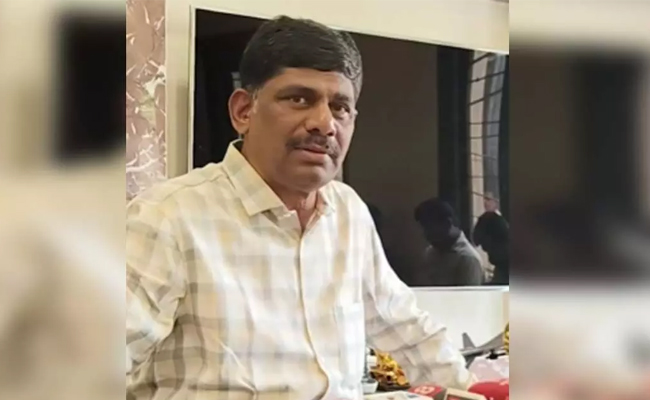
Bengaluru: Bengaluru Milk Union Ltd President D.K. Suresh on Monday said it is inappropriate for MLAs to seek free IPL tickets, adding that those interested in watching matches should pay for them personally.
Speaking to reporters near his residence in Sadashivanagar, he said, “IPL is a commercial tournament and does not represent the country. It is not right for public representatives to focus too much on such matters.”
Referring to the recent controversy during the RCB celebrations, he said, “let us find out who benefited the most from the statements made during the incident.” He also pointed out that BJP MLAs had received IPL tickets as well.
Responding to discussions about relocating the Chinnaswamy Stadium, Suresh said the government has already approved the construction of a new stadium at a location he had proposed.
“I had suggested building a stadium in Surya City and submitted a proposal for it. Bengaluru needs four stadiums in four directions to cater to its growing population and encourage youth participation in sports,” he said.
He noted that apart from Kanteerava Stadium, KSCA, and the Football Stadium, there are limited facilities in the city.
“When I was a Lok Sabha member, I had proposed allocating 100 acres in my constituency at Surya City. The land was later earmarked and the plan approved,” he added.
Suresh said he has discussed the project with Minister Zameer Ahmed Khan, Rajiv Gandhi Housing Corporation Chairman Shivalingegowda, and Anekal MLA Shivanna.
“The Cabinet has now approved the project, and a stadium will be developed on around 50–60 acres,” he said.
He further added that he has requested the Deputy Chief Minister to build another stadium at Shivarama Karanth Layout through the BDA, where 40 acres have been allocated. Plans are also being discussed to develop a well-equipped stadium in Bidadi.
Commending state government's recent bilingual policy move, Suresh said forcing children to learn three languages could affect their comprehension.
“It is a good decision to make two languages compulsory. Learning a third language should be left to the choice of students and parents,” he said.
Responding to criticism from BJP leaders, he said their tendency is to oppose every decision of the government.
“To please their central leadership, they take a pro-Hindi stance. Instead, they should advocate for the adoption of Kannada in all states,” he said.
When asked about the earlier three-language policy under Congress, he said, “the situation is different now. Today, the focus should be on quality learning. Kannada should remain the primary language, while students and parents can choose an additional language.”