School children to get honey along with mid-day meals?
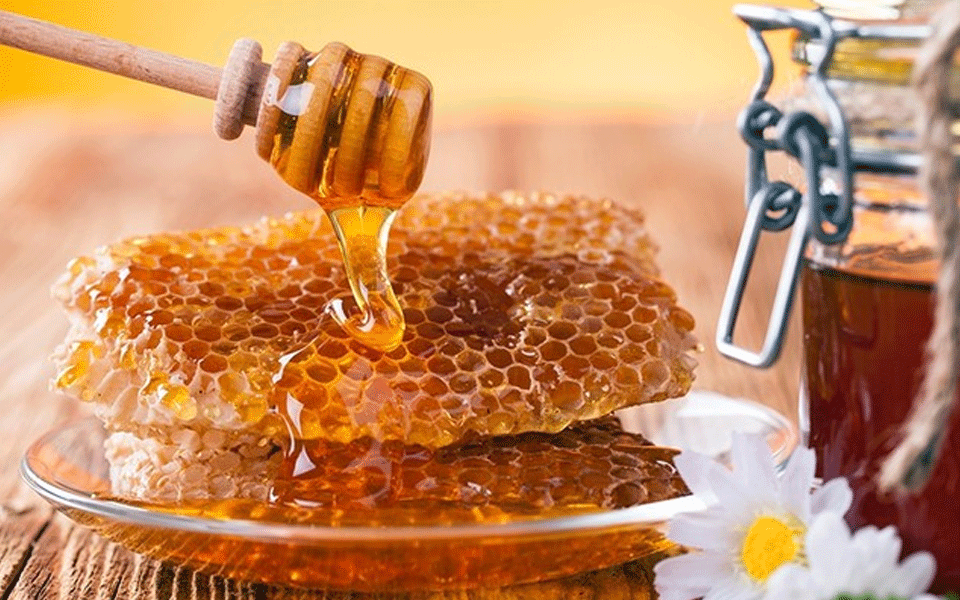
Bengaluru, September 25: Following the direction from the Ministry of Human Resources, the Primary and Secondary Education department has decided to provide honey along with the Mid-day meals to the school children, sources said.
In a circular issued to all state governments, the Ministry of Human Resources said that the honey has Immunity power, Carbohydrate, Amino acids, Nutrients, Minerals and Rich protein which will increase the hunger among children besides providing energy and help digest the food very easily. It would also help convert the calcium. If the children consume honey regularly, they would develop immunity power and keep themselves away from normal health disorders like Bacterial infections, Cold, Allergy and Asthma. It would also help control the blood level, it is said.
But the officials were in confusion on how to supply honey along with the mid-day meals. The honey could be given by mixing it with hot milk. It would be difficult to give it separately. But the decision to this effect was not yet taken, the officials said.
Following the advice from the National Honey Bees Corporation coming under the Ministry of Agriculture and Farmers Welfare, the Ministry of Human Resources has issued the order. According to a study by the Switzerland-based Honey Bees Research Centre, the honey has more than 600 useful factors. Based on the nutrient values, the honey is considered the best digestive, it is said.
Meeting was held with the Prime Minister and tested various kinds of honey and found that the honey has good nutrients. The societies, units and Companies producing honey were asked to supply quality honey to the children, it is said.
Let the Truth be known. If you read VB and like VB, please be a VB Supporter and Help us deliver the Truth to one and all.
Defamatory post against Dharmasthala Veerendra Heggade: Case registered against Girish Mattannavar
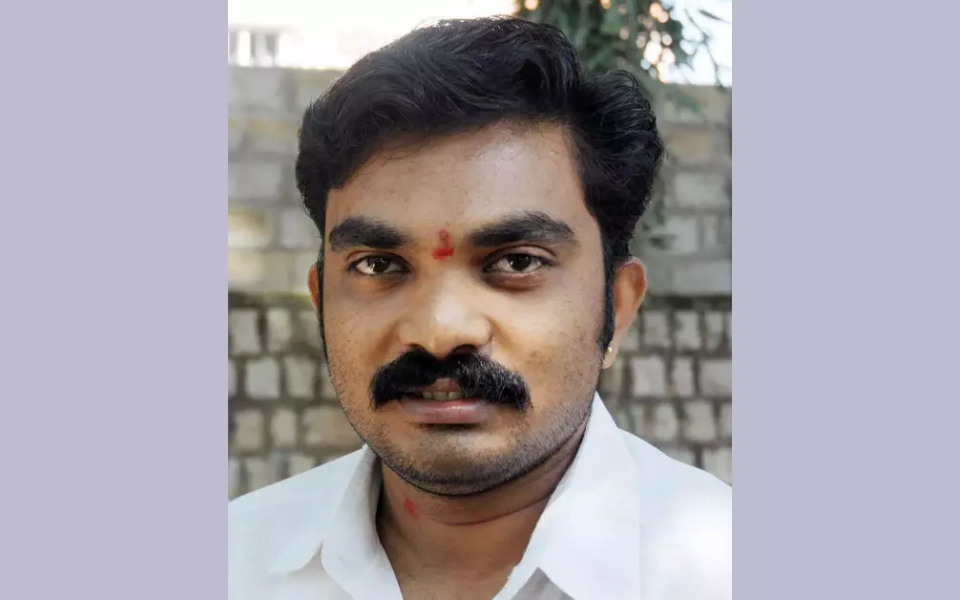
Belthangady: A case has been registered at Dharmasthala police station against Girish Mattannavar over a complaint regarding alleged defamatory posts on social media against Dr. D. Veerendra Heggade, Dharmadhikari of Sri Kshetra Dharmasthala.
The complaint was filed by Subrahmanya Prasad, a resident of Dharmasthala.
The complainant stated that Mattannavar posted content on Instagram making allegations against Dr. Heggade and allegedly affecting his reputation.
Based on the complaint, a case was registered under Section 353(2) of the Bharatiya Nyaya Sanhita (BNS), which is related to spreading false information, rumours, or alarming news, on April 18, and the investigation is in progress.
Following information about Mattannavar’s appearance at the SIT office on May 7, a police officer from Dharmasthala police station issued a notice directing him to appear at the station within a week.