Sept 29: 539 new COVID-19 cases, 17 deaths in Karnataka
Bengaluru Urban logs 239 new cases, 7 deaths; highest in State
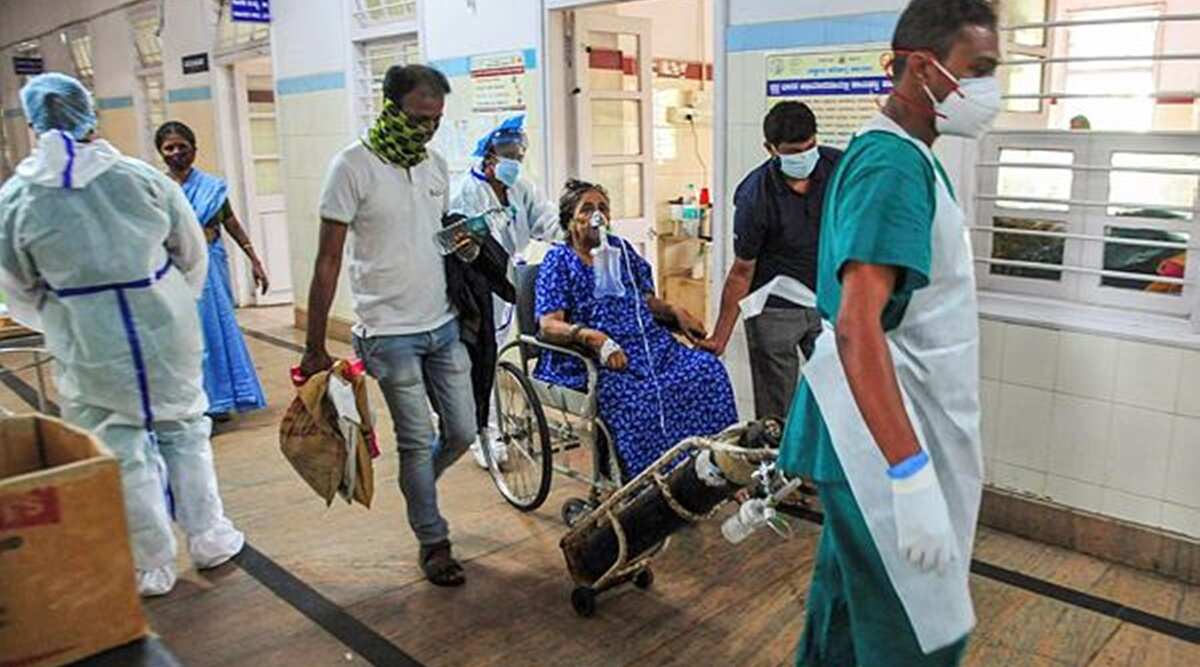
Bengaluru, Sep 29: Karnataka logged 539 fresh COVID-19 cases and 17 deaths on Wednesday, taking the total number of infections to 29,75,067 and the toll to 37,780.
The day also saw 591 discharges, taking the total number of recoveries in the state so far to 29,24,693.
Bengaluru Urban accounted for most number of infections (239) as the city saw 141 discharges and seven deaths.
The total number of active cases in the state stood at 12,565.
While the positivity rate for the day was 0.48 per cent, the Case Fatality Rate (CFR) was 3.15 per cent.
Dakshina Kannada was behind Bengaluru Urban in number of deaths (3), followed by others.
Among the districts where the new cases were reported, Bengaluru Urban accounted for 239, Dakshina Kannada 75, Kodagu 36, Mysuru 31, Tumakuru 22, followed by others.
Bengaluru Urban district tops the list of positive cases, with a total of 12,46,139, followed by Mysuru 1,77,905 and Tumakuru 1,20,162.
Among discharges too, Bengaluru Urban was on top with 12,22,479, followed by Mysuru 1,74,892 and Tumakuru 1,18,724.
Cumulatively a total of 4,75,04,490 samples have been tested in the state so far, out of which 1,11,538 were on Wednesday alone.
To view today's health bulletin: CLICK HERE
Let the Truth be known. If you read VB and like VB, please be a VB Supporter and Help us deliver the Truth to one and all.
Union government assumes full control over TV ratings, TRAI role curtailed: Report
New Delhi: The Union government has assumed full control over television audience measurement, removing the Telecom Regulatory Authority of India (TRAI) from oversight of the ratings system that underpins the country’s ₹36,000 crore television advertising market, according to a report published on Wednesday.
The report in Mint said the Ministry of Information and Broadcasting (MIB) now has exclusive authority over the framework governing how television ratings are measured and regulated. TRAI had been entrusted with oversight of TV ratings in 2012 during the UPA government’s tenure. TRAI is no longer mentioned in the relevant policy document, effectively vesting sole authority in the MIB.
The report said TRAI will continue to regulate other aspects of broadcasting, including channel pricing, advertising caps, interconnection and distribution norms, service quality and compliance standards. Its role in determining how ratings agencies track viewing behaviour has been withdrawn.
Television Rating Points (TRPs), which reflect viewership patterns, guide advertisers in deciding where to allocate spending across channels and time slots.
A government source quoted in the report said the ministry could modify TRAI’s decisions even when the regulator oversaw broadcasting.
A former CEO of Prasar Bharati told the newspaper that the MIB has historically regulated rating agencies through licensing and guidelines, and by holding them accountable under existing norms.
During its tenure overseeing ratings, TRAI had taken decisions affecting the broadcast sector, which included capping advertising time at 12 minutes per hour following complaints about excessive commercial breaks and it now remains unclear how these matters will be addressed under the revised arrangement.
Satya N. Gupta, former principal advisor at TRAI, was quoted as saying that merging regulatory functions with policy oversight and removing an independent regulator from the process was a retrograde step.
TRAI’s involvement in broadcasting had earlier attracted criticism as well. In 2012, its consultation paper on quantitative limits on television advertising was viewed by some as overlapping with the Advertising Standards Council of India’s code. Subsequent recommendations covering television audience measurement, ownership of news channels and issues such as paid news had also raised concerns among sections of the industry.
Television ratings have faced scrutiny in recent years, including during the controversy involving the Broadcast Audience Research Council (BARC), where officials of the ratings body were prosecuted over allegations of manipulation of viewership data.