Seven fresh COVID-19 cases reported in Karnataka; tally now 33
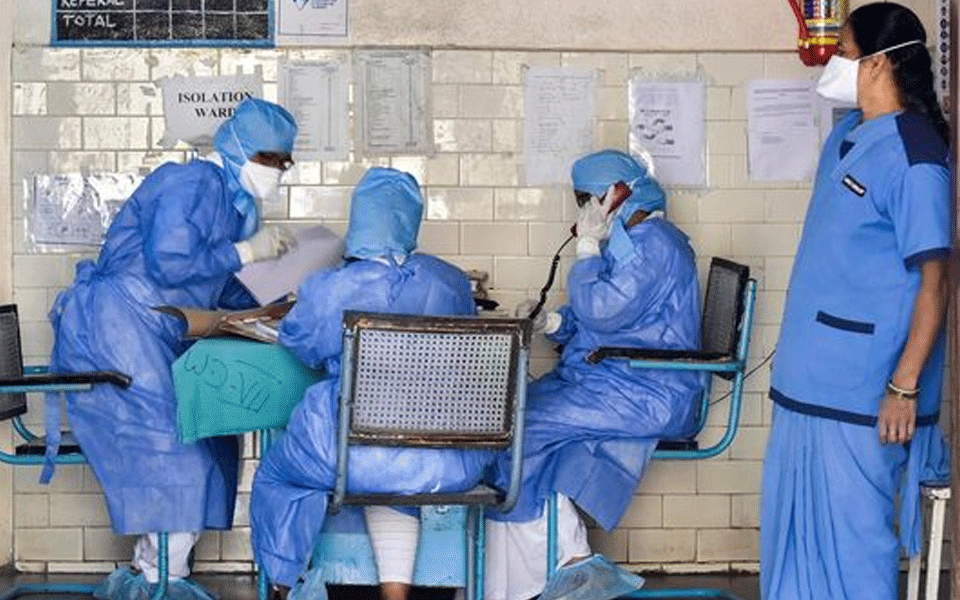
Bengaluru: Seven confirmed coronavirus cases were reported in Karnataka on Monday, taking the total number to 33, the State Health department said.
The new positive cases include two from neighbouring Kerala, and five from Bengaluru.
"Till date 33 COVID-19 positive cases have been confirmed in the state which includes one death," the department said in a bulletin.
It said 31 patients are in isolation at designated hospitals and are stable. The fresh cases include two men from Kerala with a travel to history to Dubai. Both arrived here on March 22.
The other new cases from the city are: a 38-year-old man who travelled to Dubai and arrived on March 17; a 41-year-old man who arrived on March 13 through London; a 30-year-old woman, wife of a patient undergoing treatment:
A 24 year-old man, who had history of travelling to the UK and Dubai and arrived on March 18 and a 60-year-old man who came from Germany and reached here on March 17.
Let the Truth be known. If you read VB and like VB, please be a VB Supporter and Help us deliver the Truth to one and all.
We received request; will decide soon whether to support TVK: Thirumavalavan
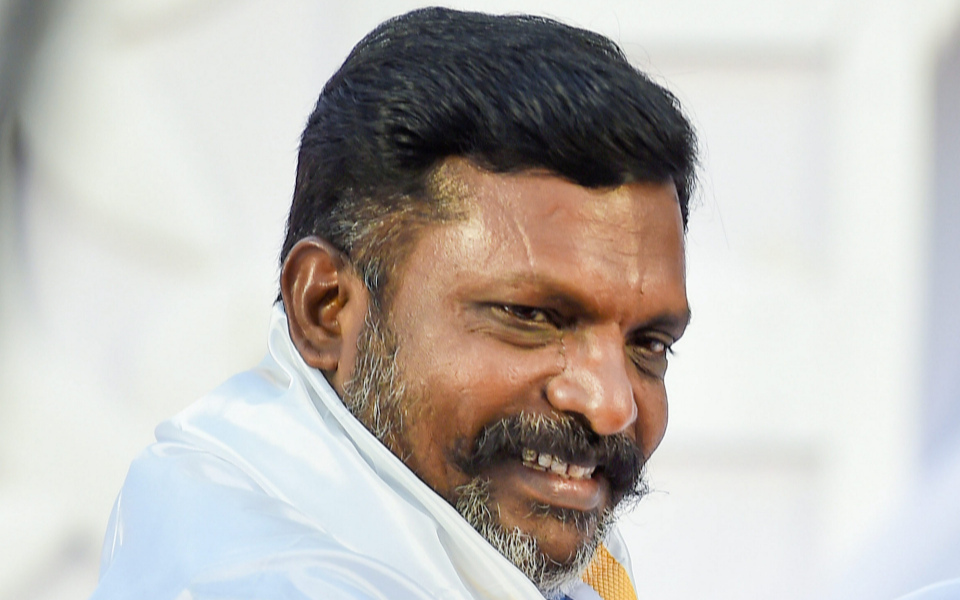
Chennai (PTI): VCK leader Thol Thirumavalavan on Thursday said that his party received a request from TVK for support and the high-level committee of his party will decide whether to support the Vijay-led party to form the government.
The TVK won 108 seats in the 234-member Assembly and emerged as the single largest party. Vijay will have to resign from one of the two constituencies he has won.
Though the Congress party, which has five MLAs, has extended support to TVK, the actor-politician-led party was still short of as many seats to touch the magic number of 118, the majority mark in the 234-member House.
"We received the request letter from TVK. We are thankful for that. We have not ignored his (Vijay's) request. We have a procedure. Therefore, our party's high-level committee will decide soon. We are going to discuss the merits and demerits of our position," the VCK leader told reporters here.
With regard to the delay in the governor's call to the TVK, which is the single largest party, to form the government, Thirumavalavan requested the governor to invite Vijay to form the government. "It is a constitutional right and people's verdict," he added.
Asserting that the governor cannot say that Vijay should hold 118 MLAs' support now itself to form the government, he said that after taking over power, Vijay has to prove an absolute majority only on the floor of the Assembly.