Siddaramaiah slams Tejasvi Surya over alleged BBMP bed scam, asks why he was silent for 10 days
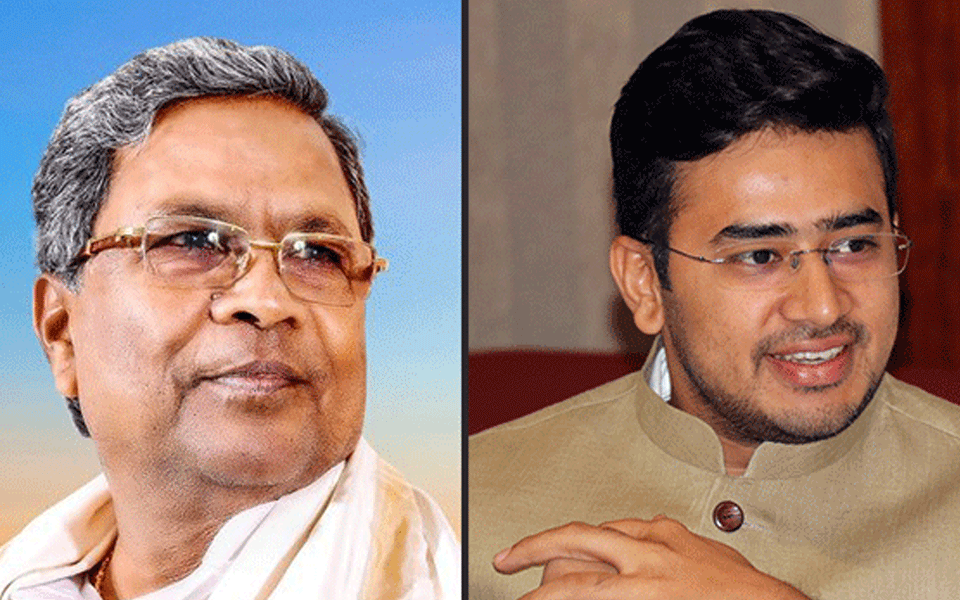
Bengaluru: Former Karnataka Chief Minister and senior Congress leader Siddaramaiah on Wednesday, slammed Bengaluru MP Tejasvi Surya over the alleged bed-blocking scandal in BBMP COVID War Room.
Stating that Tejasvi Surya named people in the alleged scam from one particular community, Siddaramaiah added the BJP leaders would take political mileage in everything, from food to death of people.
He took to his official Twitter handle to express his anguish over the matter and said “It is really unfortunate & insensitive on the part of @BJP4Karnataka MP @Tejasvi_Surya to communalize the issue. From food to death, BJP leaders want to earn political mileage by targeting few communities” he wrote.
He continued his attack on Surya who is also the national president of BJP’s Yuva Morcha in a series of tweets and questioned his credibility in bringing out the scam. He asked if Surya’s claim that he came to know about the scam ten days back, then why was he waiting for 10 days to come out with it. “Was he negotiating a deal with BBMP officers? Or was he preparing a script to protect @BJP4Karnataka leaders?” he asked.
@Tejasvi_Surya, Ravi Subramanya & Satish Reddy should have conducted a sting operation against @CMofKarnataka, @BJP4Karnataka ministers, MLAs & MPs also. This whole drama is to protect the image of his political bosses. BBMP officers & workers are just scapegoats” he wrote in another tweet.
“Like King Like Ministers. @narendramodi's actual slogan is 'Mai Bhi Khaunga, Thum Bhi Khao'. And @BJP4Karnataka leaders are following the same even in #Covid19 management & scam” he added.
“How much money has the PM Cares Fund received from the state? How much aid has flowed into the state? How many ventilators, ICU, and oxygen has the state received? By prohibiting the right to obtain information, who is Narendra Modi trying to save, is it you? Or the authorities?” he questioned.
“Chief Minister Yediyurappa is begging the Prime Minister by asking him to provide beds, Ventilator, and oxygen to the state’s corona patients like a beggar. Which burrow have the 25 BJP MPs of the state dug themselves into? The MPs who used to roar like tigers in the state and burrowed themselves like rats when it comes to standing before Narendra Modi, why?” Siddaramaiah questioned.
Let the Truth be known. If you read VB and like VB, please be a VB Supporter and Help us deliver the Truth to one and all.
Allahabad HC orders probe into 'reinstatement' of teacher in UP's Barabanki
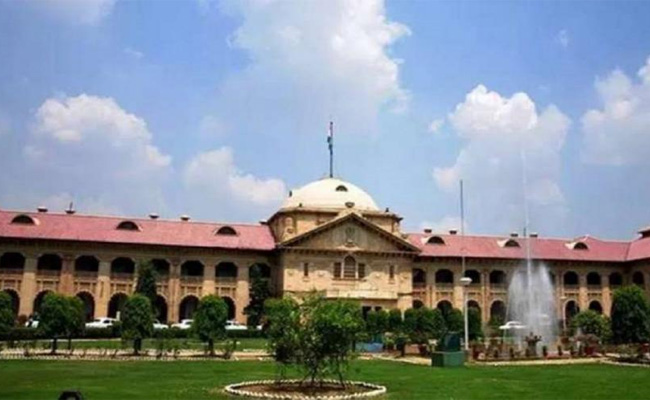
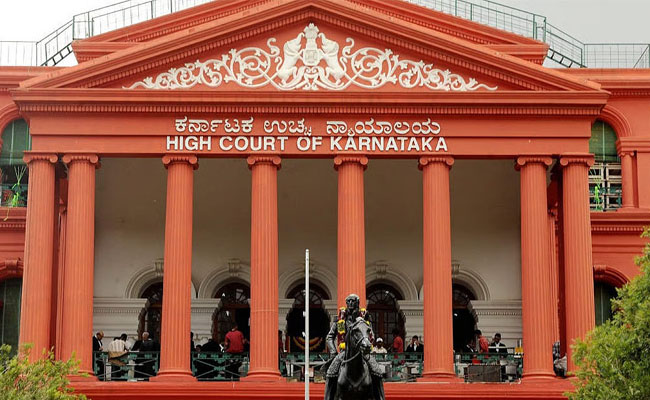
Lucknow (PTI): The Lucknow Bench of the Allahabad High Court on Friday ordered a probe by the special task force (STF) into alleged irregularities in the rejoining of a teacher at City Intermediate College in Barabanki, observing that the reinstatement appeared to be prima facie illegal.
The court also directed the recovery of the salary paid to the teacher during the disputed period.
A bench of Justice Rajeev Singh passed the order on a petition filed by the college management committee. The court expressed doubts over the roles of the District Inspector of Schools (DIOS), Barabanki, the college principal and the teacher concerned and hence, directed a detailed inquiry into the matter.
Taking note of alleged manipulation of records and misleading submissions, the court ordered the immediate transfer of the Barabanki DIOS to ensure a fair probe. It also directed the initiation of disciplinary proceedings against the then joint director of education of the Ayodhya division.
In its order, the court found that the teacher, Abhay Kumar, was initially appointed as an assistant teacher in 2018 but joined an Eklavya Model Residential School in Chhattisgarh as a lecturer in June 2024 without obtaining permission from the management. His subsequent request to retain the lien was rejected.
Despite this, he was allowed to rejoin the Barabanki College in September 2025 on the directions of the joint director of education and the DIOS, and was even paid the salary for October 2025. The court termed the rejoining "wholly illegal" and lacking any legal basis.
The bench also expressed concern over lapses in communication within the education department and directed the Uttar Pradesh chief secretary to ensure that official orders are communicated through email and WhatsApp as well, to prevent disputes.
The matter is next listed for hearing on May 28 when a compliance report is sought.