SIT will soon begin probe into Dharmasthala 'mass burial' case: Minister Parameshwara
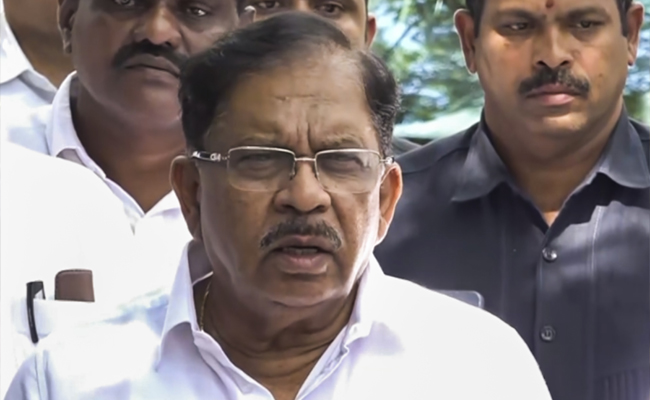
Bengaluru (PTI): Karnataka Home Minister G Parameshwara on Tuesday said that a Special Investigation Team (SIT), constituted to probe allegations of mass burials in Dharmasthala in the Dakshina Kannada district, will soon visit there and begin the inquiry.
The SIT, headed by Pronab Mohanty, Director General of Police (Internal Security Division), consists of Deputy Inspector General of Police (Recruitment) M N Anucheth and IPS officers Soumyalatha S K and Jitendra Kumar Dayama.
"We have already given them (SIT) instructions to go there (Dharmasthala) immediately. Based on the records available at the police station, they will begin (the investigation). Instructions have gone to the local police too from the DG to give the related records and documents to the SIT.
"Mohanty (SIT chief) and his team will probably go there in a couple of days and will begin their work," Parameshwara said.
Responding to a question on reports claiming that two officers from SIT were seeking to leave for personal reasons, he said if anyone in the team makes a request not to be its part, citing reasons, and convinces, they will be replaced.
"For now, all four of them are part of the team. Yesterday I saw some media reports, but it has not come to me. If anyone from the team has requested the DG or the Commissioner, they will be replaced," he added.
The SIT was constituted by the government following claims about alleged mass murder, rape, and mass burials in Dharmasthala, over the past two decades.
A former sanitation worker, whose identity has not been revealed, has claimed that he worked in Dharmasthala between 1995 and 2014, and that he was forced to bury a number of bodies, including those of women and minors, in Dharmasthala.
He had alleged that some of the bodies showed signs of sexual assault. He has also given a statement before a magistrate in this regard.
To a question about an alleged report submitted to the government in 2018 regarding unnatural deaths in Belthangady (the taluk under which Dharmasthala comes) and no action was taken based on that, the home minister stated that he was unaware of it. However, he assured that he would look into if such a report exists officially.
"Who has submitted the report I don't know. Who was in the committee? Who constituted it? Was it authorised by the government? Or was it private? Nothing is known. If any report has come to the government officially and if it was authorised by the government, then it will be examined," he said.
Let the Truth be known. If you read VB and like VB, please be a VB Supporter and Help us deliver the Truth to one and all.
Justice Swarana K Sharma starts contempt case against Kejriwal, Manish Sisodia over excise posts
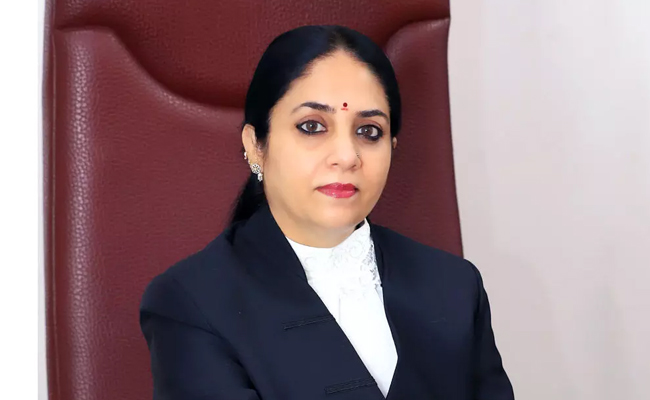
New Delhi (PTI): Delhi High Court judge Justice Swarana Kanta Sharma on Thursday initiated criminal contempt proceedings against AAP leaders Arvind Kejriwal, Manish Sisodia, Durgesh Pathak, Sanjay Singh, Saurabh Bhardwaj and others over their "vilifying" social media posts against her in relation to the excise policy case.
Justice Sharma said the former Delhi chief minister "orchestrated a calculated campaign" of vilification against her on social media instead of pursuing his legal remedies and clarified that the CBI's petition against the discharge of all accused persons would now be taken up by another bench.
The judge took exception to several social media posts by the proposed contemnors that attributed "political allegiance" to her and allegedly targeted her by posting a misleading "edited" video of a speech given by her at an educational institution in Varanasi.
"Arvind Kejriwal sought to destroy my reputation instead of availing legal remedies after I refused to recuse and a deliberate attempt to lower the court's authority can't be permitted in guise of free speech," Justice Sharma said.
She clarified that she was not recusing herself but was only transferring the case to another bench as she has initiated the contempt proceedings.
Solicitor General Tushar Mehta, appearing for CBI, thanked Justice Sharma for upholding the institution's dignity.