Student allegedly forced to remove Hijab for UGC NET Exam in Karnataka
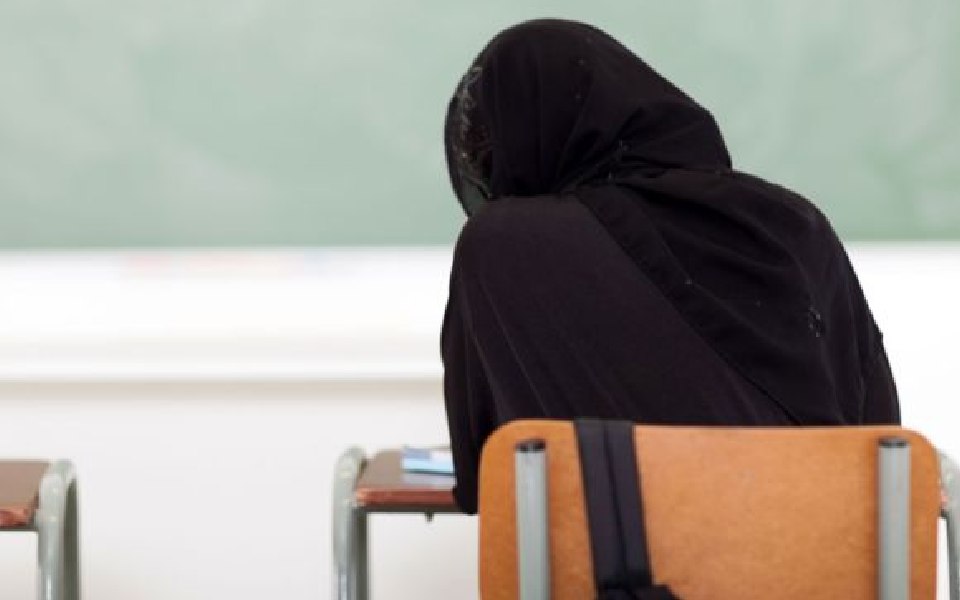
Bengaluru: On Tuesday, June 18, a student in Karnataka alleged that she was forced to remove her headscarf before sitting for the UGC NET examination at an exam center in Ram Nagar, Karnataka.
The student, who has previously appeared for various competitive exams including UPSC-CSE, UPSC-EPFO, SSC-CGL, CSIR-AO, IB-ACIO, and RRB, stated this was her first experience of being required to remove her hijab before writing any exam. She mentioned that in all previous exams, she was allowed to wear her hijab.
According to the student, the National Testing Agency (NTA), which organizes the UGC NET exam, has a provision in its list of instructions stating: "If religion/customs require you to wear specific attire, please visit the Centre early for thorough checking and mandatory frisking."
Adhering to this instruction, the student reported at the exam center an hour before the scheduled time. However, she was told she could not appear for the exam wearing her hijab. She was only permitted to write the exam after agreeing to remove her hijab. Speaking to Vartha Bharati on the condition of anonymity, she expressed her dismay at the incident.
"I followed the instructions and arrived at the exam center early. Despite this, I was told I couldn't wear my hijab during the exam. I was only allowed to proceed after I agreed to remove it," she said.
Furthermore, she pointed out a discrepancy in the enforcement of rules. Although wearing jewelry was prohibited, she observed several students taking the exam while wearing mangalsutras. When she raised this issue, she was ignored and told to remove her hijab if she wished to write the exam.
"I saw many students wearing mangalsutras, and toe rings which is also against the rules, but they were allowed to take the exam. When I questioned this, I was simply told to remove my hijab if I wanted to write the exam," she added.
This incident is not isolated. In December 2023, a student in Patna reported a similar experience, claiming she was barred from the UGC NET exam for refusing to remove her hijab. In another case in 2018, a student in Panaji also alleged she was not allowed to write the UGC NET exam because she refused to take off her headscarf.
The student and her parents have called on the NTA to clarify its stance on religious attire during exams. They questioned why students are not allowed to wear hijabs even when they comply with the instruction to arrive early for thorough checking. "Why such double standards?" they asked, seeking a clear and consistent policy that respects religious customs while maintaining exam security.
Let the Truth be known. If you read VB and like VB, please be a VB Supporter and Help us deliver the Truth to one and all.
NEET student hangs self in Rajasthan's Sikar
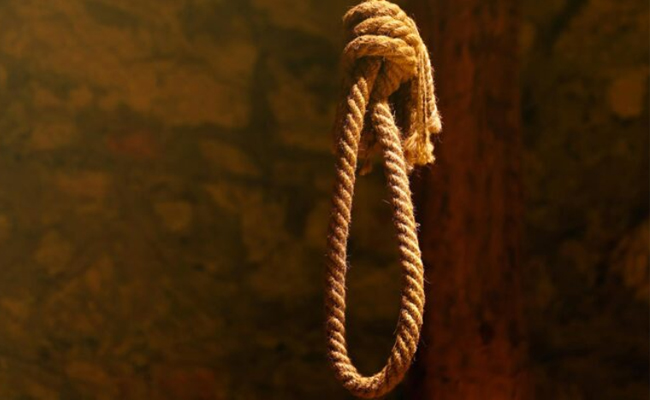
Jaipur (PTI): A student preparing for the NEET examination allegedly committed suicide by hanging himself in a rented room in Rajasthan's Sikar on Friday, police said.
According to the police, the student allegedly hanged himself from a ceiling fan using his sister's scarf while one sister was attending coaching classes and the other was in the bathroom.
He had appeared in the NEET UG exam 2026, which was cancelled due to paper leak, they said.
Udyog Nagar SHO Rajesh Kumar said that the deceased, identified as Pradeep Meghwal, was a resident of Kanika ki Dhani village in Jhunjhunu's Gudha Gaudji area.
He had been living in a rented room in Sikar's Jaldhari Nagar area with his two sisters while preparing for NEET over the last three years.
His elder sister later found him hanging and informed the landlord and police after bringing him down, officials said.
The SHO said the body was kept at SK Hospital mortuary, and a postmortem had not been conducted.
The student's father, Rajesh Kumar Meghwal, told police that Pradeep's NEET examination had gone well and the family was expecting him to score around 650 marks.
Former Rajasthan deputy chief minister Sachin Pilot expressed grief over the incident and linked it to anxiety among students after reports of irregularities and paper leaks in NEET 2026.
Pilot said repeated paper leak incidents and cancellation of examinations were affecting students' mental health and demanded a time-bound investigation and strict action against those responsible.