'Together, we all can beat Covid-19'; CM Yediyurappa urges people to follow lockdown rules
Bengaluru, Apr 28: Hours after the 14-day lockdown came into effect in Karnataka to contain COVID-19, Chief Minister B S Yediyurappa on Wednesday appealed to the people to abide by the norms to break the chain of infections.
"The 2 weeks strict rules to break the chain of Covid virus have begun. My appeal to everyone: follow the guidelines, cooperate with the govt, stay indoors, and step out only if it's an emergency.
Together, we all can defeat the Covid-19 pandemic," Yediyurappa tweeted.
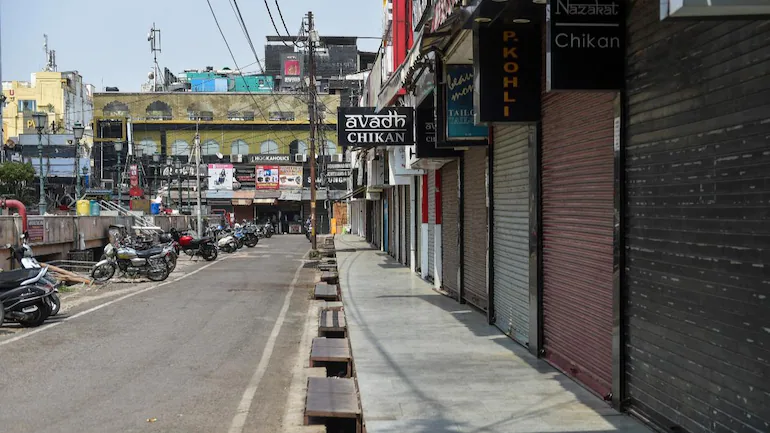
Roads in urban areas wore a deserted look while the bustling markets fell silent as the lockdown came into force on Tuesday night.
The government has allowed sale of essential goods and continuity of essential services.
It has allowed the sale of essential products such as vegetables, grocery, milk supply, medical stores and hospitals to operate.
These measures have been taken after the daily COVID cases in the state climbed to more than 30,000.
The state has now over three lakh active cases of which two lakh are in Bengaluru alone.
The 2 weeks strict rules to break the chain of Covid virus have begun. My appeal to everyone: follow the guidelines, cooperate with the govt, stay indoors, and step out only if it's an emergency. Together, we all can defeat the Covid-19 pandemic.
— B.S. Yediyurappa (@BSYBJP) April 28, 2021
Let the Truth be known. If you read VB and like VB, please be a VB Supporter and Help us deliver the Truth to one and all.
Allahabad HC orders probe into 'reinstatement' of teacher in UP's Barabanki
Lucknow (PTI): The Lucknow Bench of the Allahabad High Court on Friday ordered a probe by the special task force (STF) into alleged irregularities in the rejoining of a teacher at City Intermediate College in Barabanki, observing that the reinstatement appeared to be prima facie illegal.
The court also directed the recovery of the salary paid to the teacher during the disputed period.
A bench of Justice Rajeev Singh passed the order on a petition filed by the college management committee. The court expressed doubts over the roles of the District Inspector of Schools (DIOS), Barabanki, the college principal and the teacher concerned and hence, directed a detailed inquiry into the matter.
Taking note of alleged manipulation of records and misleading submissions, the court ordered the immediate transfer of the Barabanki DIOS to ensure a fair probe. It also directed the initiation of disciplinary proceedings against the then joint director of education of the Ayodhya division.
In its order, the court found that the teacher, Abhay Kumar, was initially appointed as an assistant teacher in 2018 but joined an Eklavya Model Residential School in Chhattisgarh as a lecturer in June 2024 without obtaining permission from the management. His subsequent request to retain the lien was rejected.
Despite this, he was allowed to rejoin the Barabanki College in September 2025 on the directions of the joint director of education and the DIOS, and was even paid the salary for October 2025. The court termed the rejoining "wholly illegal" and lacking any legal basis.
The bench also expressed concern over lapses in communication within the education department and directed the Uttar Pradesh chief secretary to ensure that official orders are communicated through email and WhatsApp as well, to prevent disputes.
The matter is next listed for hearing on May 28 when a compliance report is sought.