Trade unions oppose Karnataka's proposal to increase working hours in IT, other sectors
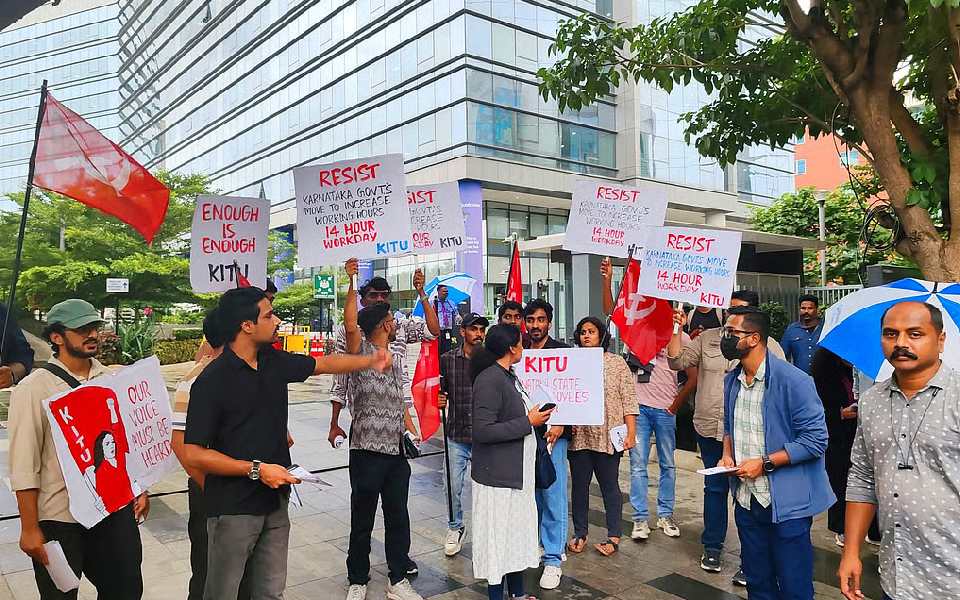
Bengaluru, Jun 18 (PTI): Several trade unions on Wednesday strongly opposed the Karnataka government's alleged move to extend daily working hours in certain sectors, including IT.
The state Labour Department on Wednesday convened a meeting with the industry representatives and trade union leaders to discuss a proposed amendment to the Karnataka Shops and Commercial Establishments Act, which reportedly seeks to increase the daily working hours to twelve.
Karnataka State IT/ITeS Employees Union (KITU) said it opposed the proposal, calling it a form of "modern-day slavery".
It appealed to all employees across the sector to unite and resist the proposed changes, which it claims would gravely impact work-life balance and job security.
KITU said its leaders Suhas Adiga and Lenil Babu were among those present in the meeting.
Noting that the law permitted a maximum of 10 working hours per day including overtime, KITU alleged that the proposed amendment would legalise 12-hour shifts and facilitate a two-shift system, potentially eliminating one-third of the workforce.
KITU charged that this move prioritises corporate profits over employee welfare and undermines workers’ fundamental rights.
“The government is attempting to normalise inhuman conditions. This amendment is not about productivity—it’s about pleasing corporate bosses by turning human beings into machines,” Adiga alleged.
KITU cited alarming mental health statistics, and said the “State Emotional Wellbeing Report 2024,” found that 90 per cent of corporate employees under 25 suffer from anxiety.
Let the Truth be known. If you read VB and like VB, please be a VB Supporter and Help us deliver the Truth to one and all.
Unemployed 'youngsters like cockroaches' become media, activists; attack system: CJI
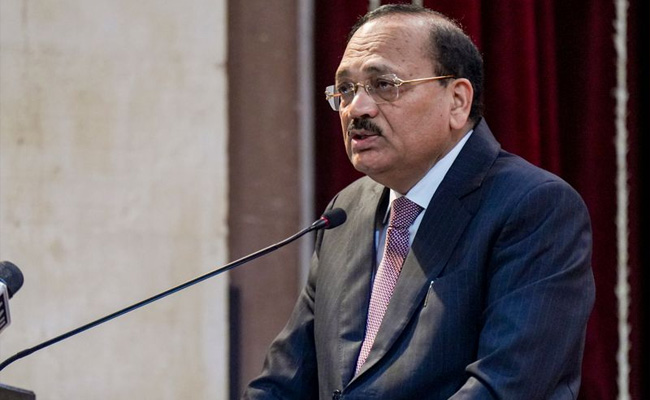
New Delhi (PTI): Likening some unemployed youngsters to cockroaches, Chief Justice of India (CJI) Surya Kant on Friday said they go on to "become" media, social media and RTI activists and start attacking the system.
The comments came while a bench of CJI Kant and Justice Joymalya Bagchi was pulling up a lawyer for "pursuing" a senior advocate designation. It said there were already "parasites" in society who attack the system and asked the petitioner whether he wanted to join hands with them.
"The entire world may be eligible to become senior (advocate), but at least you are not entitled," the bench told the petitioner lawyer.
A visibly anguished CJI observed that if the Delhi High Court would confer senior advocate designation upon the petitioner, the apex court would set that aside seeing his professional conduct.
The CJI also referred to the kind of language used by the petitioner on Facebook.
"There are already parasites of society who attack the system and you want to join hands with them?" he said.
"There are youngsters like cockroaches, who don't get any employment or have any place in profession. Some of them become media, some of them become social media, RTI activists and other activists and they start attacking everyone," he said.
The bench also asked the petitioner whether he did not have any other litigation.
"Is this the conduct of a person who seeks to be designated as a senior advocate?" the bench asked.
It said senior advocate designation is something that is conferred on a person and is not to be pursued.
"You are pursuing it. Does it look proper?" the top court said, asking whether a senior advocate designation was a status symbol to be kept ornamentally.
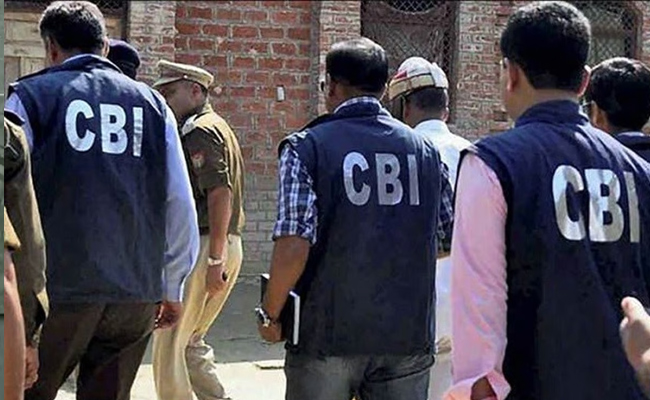
It also observed that it wanted to ask the Central Bureau of Investigation (CBI) to verify the degrees of many of those who were wearing black robes as there were serious doubts over the genuineness of their degrees.
It said the Bar Council of India would never do anything on this issue as they "need their votes".
The petitioner apologised to the bench and sought permission to withdraw the petition. The bench allowed the withdrawal of the petition.