Two foreigners among four held for drugs peddling in Bengaluru

Bengaluru: Anti-narcotics wing of the Central Crime Branch (CCB), sleuths from Vidyaranyapura, Konanakunte and V V Puram police stations arrested four individuals for drug peddling and seized narcotic substances worth 18.8 lakhs in separate raids across the city on Tuesday.
Two of the accused, Cyril (23) from Ghana and Immanuel (27) from Nigeria, were arrested in Vidyaranyapura police station limits. A cache of drugs worth 12 lakhs including MDMA crystals, ecstasy pills and cocaine were seized from them along with a two-wheeler and other items.
Primary investigations revealed that the accused, who were in India on student and working visas, purchased the drugs from their countrymen residing in Goa, Mumbai and New Delhi for cheaper rates and sold them in Bengaluru, sources stated.
ALSO READ: Bengaluru: Fake branded products worth 1.38 crore seized
Konanakunte police have arrested an individual named Vikas (23) for selling drugs on the road behind Doddakallasandra Lake in Narayana Nagar. Drugs worth 1.8 lakhs including 2.02 kg marijuana and 10.6 kg poppy straw has been confiscated from him.
In a separate raid, V V Puram police arrested Rasik Kumar (22), a resident of West Bengal, for selling marijuana. An electronic weighing machine and 3.9 kg marijuana worth 5 lakhs were seized from him, police stated.
Let the Truth be known. If you read VB and like VB, please be a VB Supporter and Help us deliver the Truth to one and all.
Rickelton's ton in vain as SRH beat MI by 6 wickets
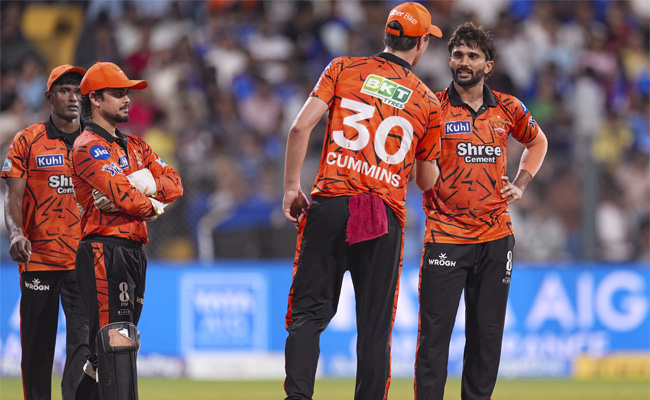
Mumbai (PTI): Ryan Rickelton's whirlwind unbeaten ton was overshadowed by Heinrich Klaasen's unbeaten 65 as Sunrisers Hyderabad defeated Mumbai Indians by six wickets in an IPL match here on Wednesday.
Chasing an imposing 244-run target, Travis Head (76 off 30) and Abhishek Sharma (45 off 24) shared 129 runs for the opening wicket to set the platform for SRH.
Klaasen (65 not out off 30 balls) then displayed his all-round hitting abilities to guide SRH home with the help of Nitish Kumar Reddy (21) and Salil Arora (30 not out off 10) in 18.4 overs.
Earlier, Rickelton's knock powered MI to 243 for five.
MI rode on a 93-run stand between Rickelton (123 not out off 55 balls) and Will Jacks (46 off 22) in 7.1 overs for the opening stand to power the side.
MI skipper Hardik Pandya scored a valuable 31 off 15 balls before being dismissed.
Praful Hinge (2/54), Eshan Malinga (1/29), Sakib Hasan (1/39) and Nitish Kumar Reddy (1/31) were the wicket-takers for SRH.
Brief Scores:
Mumbai Indian: 243 for 5 in 20 overs (Ryan Rickelton 123 not out; Praful Hinge 2/54).
Sunrisers Hyderabad: 249 for 4 in 18.4 overs (Travis Head 76, Heinrich Klaasen 65 not out; AM Ghazanfar 2/51).