Use any of these documents as proof of identity and Vote
Voters take Note
Bengaluru,April.24:Voters without EPIC can vote in the coming assembly elections to be held on May 12th, by producing any of the following documents as proof of identity. The election Commission has issued an order to this effect. The Election Commission has already issued the EPIC cards and the voters must produce the same to the returning officer before voting. In case they are unable, alternative documents can be used as proof of identity
The following documents have been listed by the EC as alternative proof of identity.
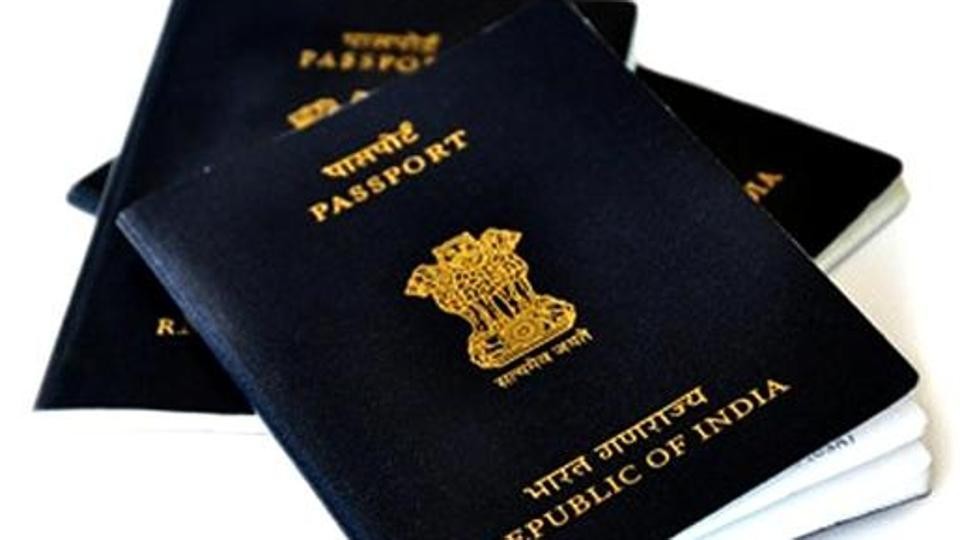
- Passport
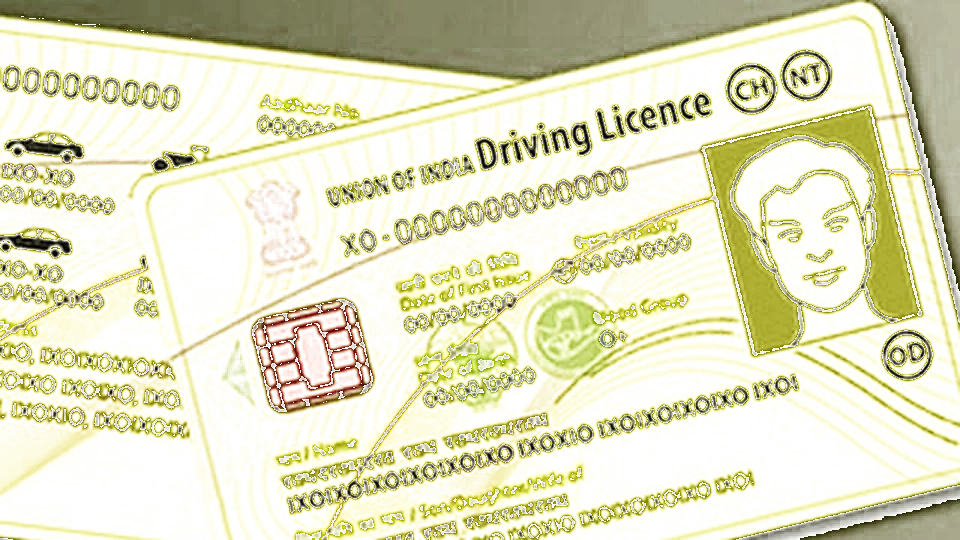
2. Driving Liecence, Employees identity cards given by Centre/ state Govts/ PSUs or Private limited companies.
3. Passbooks issued by Banks or Post offices
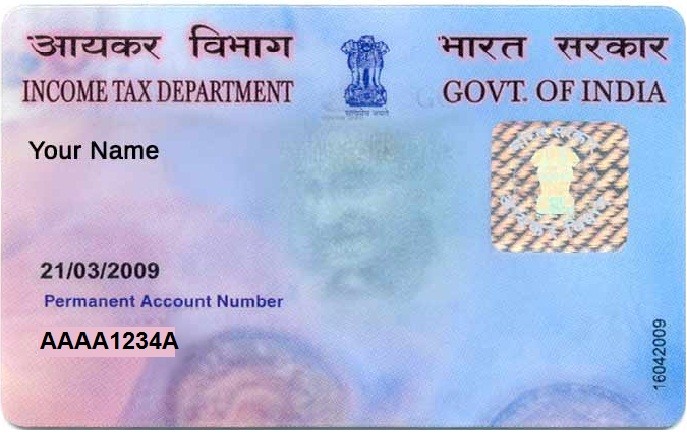
4. PAN card
5.Smart cards provided by NPRDRGI
6.MGNREGA Job cards
7.Health insurance smart cards issued by the labor dep.
8.Pension document with photo
9.EPIC
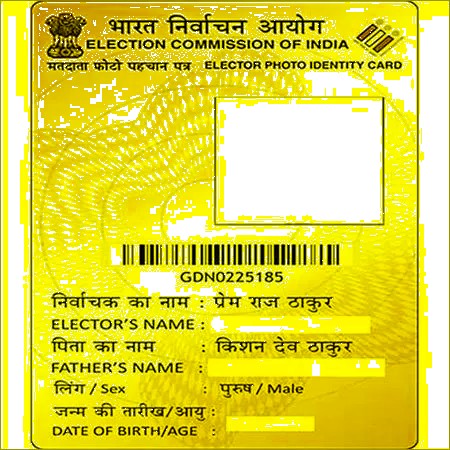
10. IDs for MLAs/MPs
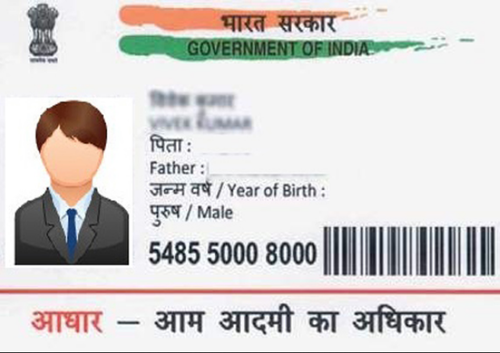
11.AADHAR cards
The EC has issued an order to the electoral officers to verify the above mentioned documents and allow the voters to cast their vote, in case they are without EPIC card. The voters must have IPEC without which voter will not be allowed to cast his/her vote, the EC has notified in its order
Let the Truth be known. If you read VB and like VB, please be a VB Supporter and Help us deliver the Truth to one and all.
Online fraud: Hotel chef from Udupi cheated of over Rs 1 lakh by WhatsApp contact

Udupi: Udupi City Police have registered a case of online fraud after a 62-year-old hotel chef was allegedly cheated of Rs 1.13 lakh by a woman who befriended him on WhatsApp, claiming to be based in London.
The victim, identified as Pandu Kariappa Poojary, a resident of Kuthpadi in Udupi, was working at a hotel in Mangaluru.
He reportedly came into contact with a woman identifying herself as Emilda William on WhatsApp. During their interactions, she told Poojary that she planned to start a cosmetics and hotel business in India and would meet him during a visit to Mangaluru.
On April 7, Emilda sent Poojary a flight ticket from London to Delhi via WhatsApp. The following day, Poojary received a phone call from a woman who informed him that Emilda had arrived at Delhi airport carrying a demand draft worth Rs 5 crore along with other items. The caller allegedly asked him to pay Rs 70,000.
Subsequently, Poojary also received a call from Emilda, who was reportedly crying and spoke about the situation. Believing the claims, he transferred a total of Rs 1,13,300 in phases using a scanner. He later realised that he had been cheated.