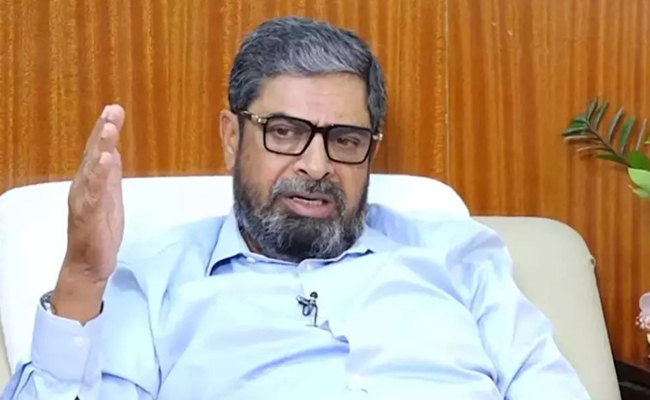
Veteran Kannada film actor Bank Janardhan passes away
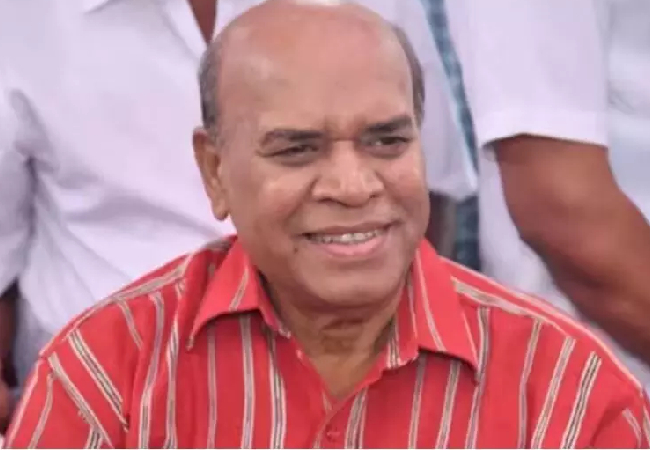
Bengaluru: Veteran Kannada film actor Bank Janardhan passed away in the early hours of Tuesday at the age of 76. He breathed his last at around 2:30 am at a private hospital in Bengaluru, where he had been receiving treatment for age-related ailments.
Janardhan’s mortal remains have been kept at his residence in Sultan Palya for public homage, and the final rites are scheduled to be held between 3 to 4 pm, according to family sources.
Janardhan, who was known for his supporting role, has acted in more than 800 films. Apart from cinema, he has also made a mark in television and theatre. Janardhan, one of the most sought-after comedians of the 80s and 90s, has played eye-catching roles in Upendra-directed films like Shh, Tarle Nanmaga, Belliappa Bangarappa, Ganesh Subramanya and Kaurava.
He also acted in television as well, with popular appearances in serials like Mangalya, Robo Family, Papa Pandu, and Jokali.
Born in 1949 in Holalkere, Chitradurga district, Janardhan worked at a local bank before entering the entertainment industry. His passion for acting began early through theatre. It was veteran actor Dhirendra Gopal who recognized his talent and encouraged him to pursue a career in films in Bengaluru. Janardhan made his cinematic debut with Pitamaha in 1985.
Let the Truth be known. If you read VB and like VB, please be a VB Supporter and Help us deliver the Truth to one and all.
SC notice to Centre on PIL against Muslim personal law sections being 'discriminatory' against women
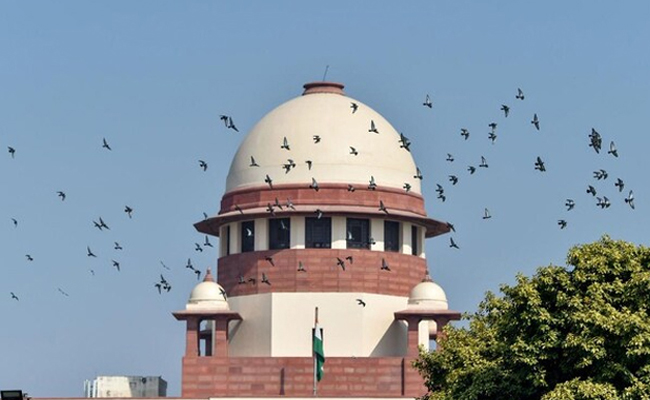
New Delhi (PTI): The Supreme Court on Thursday sought the Centre's response on a PIL challenging the constitutional validity of certain provisions of the Muslim Personal Law (Shariat) Application Act, 1937, on the ground that those are allegedly discriminatory against women.
A bench of Chief Justice Surya Kant and Justices Joymalya Bagchi and Vipul M Panchol took note of the submissions made by lawyer Prashant Bhushan, who appeared in the matter for petitioners Poulomi Pavini Shukla and the Nyaya Naari Foundation, and issued a notice to the Union Ministry of Minority Affairs.
The plea says the current Shariat inheritance rules are "manifestly discriminatory" against women, often granting them only half or less of the share allocated to their male counterparts.
Bhushan said the 1937 Act violates Article 14 (right to equality) of the Constitution.
He said matters of succession are civil in nature and do not constitute an "essential religious practice" protected under Article 25.
"Saying women will get half or even less than half compared to male counterparts is discriminatory," the lawyer said.