"We will not allow Tamil Nadu to use surplus Cauvery water," says Karnataka CM Yediyurappa
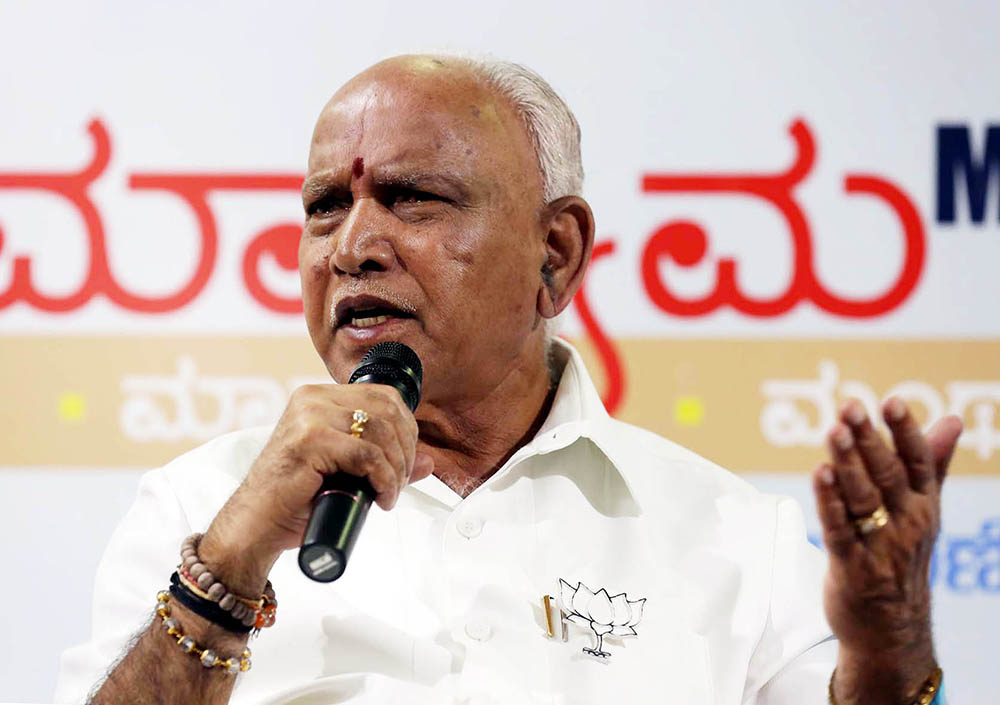
Bengaluru, Feb 22: The Karnataka government will not allow Tamil Nadu to use surplus water from the inter-state Cauvery river and will take strong measures to protect the state's interests, Chief Minister B S Yediyurappa said on Monday, amid concerns regarding river interlinking project being undertaken by neighbouring state.
While the state government has decided to file objections before the Centre against the project, opposition parties in Karnataka-Congress and JD(S)-too opposed Tamil Nadu's move.
The Tamil Nadu government on Sunday laid the foundation for the first phase of the Rs 14,400 crore Cauvery-Vaigai-Gundar river interlinking project, aimed at diverting over 6,000 cubic ft of surplus water to drier areas in southern districts.
"We will not allow it....there is no use by just giving statements, for no reason we will allow Tamil Nadu or others to use surplus water, we will take strong measures, necessary measures are being taken," Yediuyurappa told reporters here in response to a question.
Asked whether he will be calling an all-party meeting on the issue, he said, "we have not thought about it yet."
Karnataka Water Resources Minister Ramesh Jarkiholi, who held a meeting with the state's legal team on inter-state water dispute in Delhi on Sunday, had said the state will apprise the Centre of its concern over Tamil Nadu's river interlinking project, which is aimed at utilising surplus Cauvery water.
Jarkiholi, who is likely to meet Union Jal Shakti Minister Gajendra Singh Shekhawat on Monday, had said that the state will take all steps to protect its interests and had also indicated about the government holding an all-party meeting to seek their opinion.
Karnataka is of the stand that after ensuring 177.25 tmc feet of water to Tamil Nadu in a normal year at Biligundlu water gauging centre, the rest belongs to the state, which includes its share of 284.75 tmc feet and surplus water available.
The 262 km-long project envisages diverting surplus water in Cauvery to Gundar river through a canal and the first of the three phases will cover about 118 km, Tamil Nadu has said, adding Cauvery, South Vellar, Vaigai and Gundar rivers will be interlinked in this major intra-state water project.
Deputy Chief Minister C N Ashwath Narayan too said, there will be no compromise on protecting Karnataka's water interest. The state would file its "objections" to the centre regarding Tamil Nadu's project and would do everything possible to stop it, he said.
According to a statement by his office, he also made it clear that the government was committed to the completion of the Mekedatu drinking project across Cauvery in Karnataka during its tenure, despite Tamil Nadu's objections, and all the necessary measures have been taken in this regard.
Mekedatu is a Multipurpose (drinking and power) project, which involves building a balancing reservoir, near Kanakapura in Ramanagaram district.
Tamil Nadu has been vehemently opposing this project, raising apprehensions that the state will be affected if the project takes shape.
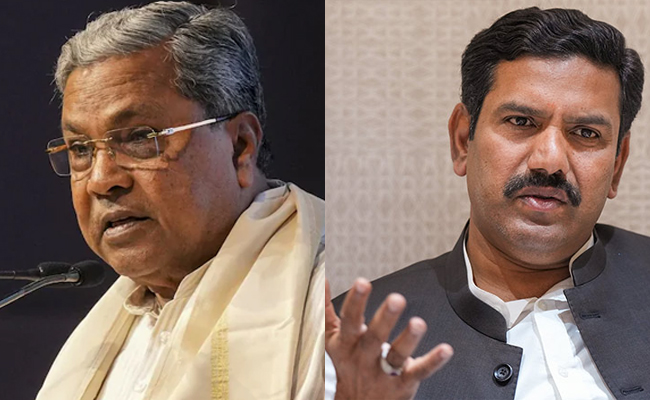
Leader of Opposition and former Chief Minister Siddaramaiah condemned Tamil Nadu's move to take up the river interlinking project by "illegally" utilizing 45 tmc of Cauvery water and urged the Chief Minister of that state to stop it immediately.
In a tweet, the Congress leader also asked the Karnataka Chief Minister to question the project in the Supreme Court, and write to his Tamil Nadu counterpart asking him to drop the project.
In a series of tweets, anther former Chief Minister and JD(S) leader H D Kumaraswamy claimed the centre was giving financial assistance to the project and expressed surprise that it did not come to the notice of the state government, as he warned the ruling BJP against any injustice to the state on Cauvery issue.
Noting that Tamil Nadu government had been opposing the state's Mekedatu project as it will not get surplus water if the dam comes up, he warned against the neighboring state staking claim on the surplus water during distress.
Let the Truth be known. If you read VB and like VB, please be a VB Supporter and Help us deliver the Truth to one and all.
Kerala CM Vijayan urges PM Modi to withdraw FCRA amendment provisions
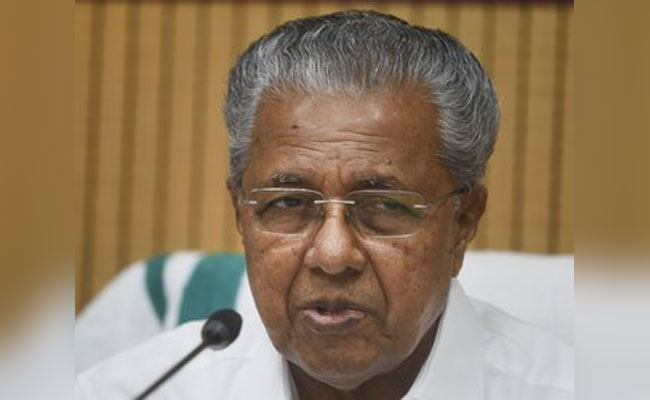
Thiruvananthapuram (PTI): Kerala Chief Minister Pinarayi Vijayan has expressed concerns over certain provisions in the proposed FCRA Bill and sought Prime Minister Narendra Modi’s intervention to withdraw them.
In a letter to Modi, Vijayan said the Foreign Contribution (Regulation) Amendment Bill, 2026, introduced in the Lok Sabha on March 25, has sparked concern among various sections of society, particularly minority communities.
A copy of the letter, sent on Sunday, was shared on his Facebook page on Monday.
In the letter, Vijayan noted that a perusal of the bill’s clauses indicates that powers have been granted to authorities to take over assets even for technical omissions.
“The apprehension is that granting such sweeping powers to authorities could lead to arbitrary exercise, and such concerns cannot be dismissed as baseless,” he said.
The chief minister pointed out that the existing law already provides sufficient powers to deal with misuse by entities permitted to receive foreign contributions.
He further said the amendment proposes enabling the takeover of assets, including places of worship and charitable organisations, even in cases involving technical issues such as violations of time limits.
Vijayan warned that the provisions could adversely affect institutions engaged in selfless service in areas such as education, healthcare, and the welfare of the poor and marginalised, even in the absence of significant lapses.
Stating that the issue has triggered concerns among religious groups and minority communities, the CM urged the prime minister to intervene in the matter at the earliest.
He also urged the PM to take steps to withdraw the provisions related to the takeover of assets in the amendment bill, noting that the existing Act has adequate safeguards to address violations.
The chief minister wrote to Modi at a time when reports about the proposed provisions in the FCRA Bill had triggered widespread reactions among political parties and various church denominations in poll-bound Kerala.