Wipro arm offers scholarships to girls in three states

Bengaluru, Aug 11: Wipro Consumer Care & Lighting would offer scholarships for higher education to girls from economically weaker families in the three southern state of Karnataka, Andhra Pradesh and Telangana, the company said on Saturday.
"About 900 girls from the three states will be given 3-year Santoor women's scholarship, with Rs 24,000 for each of them per annum to do under-graduation," said the city-based privately-held company in a statement.
Santoor is the leading brand name of Wipro's toilet soap.
The company initiated the annual programme in 2016 in collaboration with Wipro Cares to financially support underprivileged girls for completing under-graduation.
The scholarship will be used for tuition fees and expenses incidental to education.
In the last two years, 1,800 young women benefited from the scholarship to become graduates.
"Girls who pass 12th class from a state-run school or college and secure admission in a recognized degree course will quality for the scholarship," said the statement.
Students can apply for the scholarship on www.santoorscholarships.com till September 15 or in state-run colleges across the three states.
"The scholarship is an attempt to empower women to change their life and the world. Enrollment ratio of women pursuing higher education in the country is low and many give up higher study due to lack of financial support," said Wipro Consumer Care Chief Executive Anil Chugh in the statement.
About 60 per cent of the scholarship is earmarked to encourage students to study humanities, liberal arts and sciences.
About 50 per cent of the scholarships are reserved for applicants from the backward districts in the three southern states.
Let the Truth be known. If you read VB and like VB, please be a VB Supporter and Help us deliver the Truth to one and all.
Congress using hijab issue to pacify minority anger, alleges Karnataka LoP R Ashoka
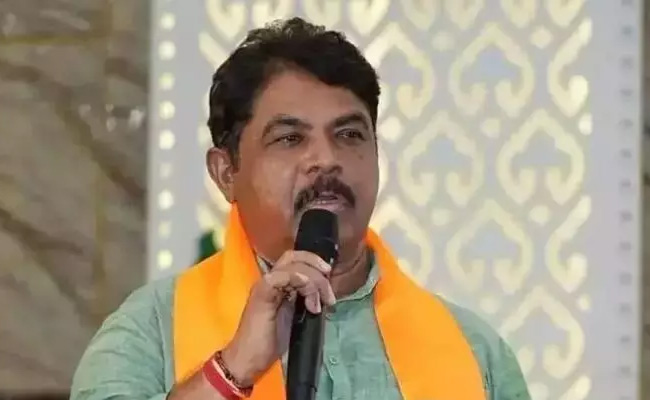
Bengaluru: Leader of Opposition in the Assembly R. Ashoka has accused the Congress government of using the hijab issue to placate what he described as discontent among minority voters after the Davanagere by-election.
In a post on X on Wednesday, Ashoka alleged that the state government, instead of addressing issues such as price rise, corruption, farmers’ distress and law and order, was attempting to retain its minority vote base by reviving the hijab issue.
Referring to the 2022 dress code introduced by the BJP government, which prohibited hijab in schools and colleges, Ashoka said the Karnataka High Court had upheld the policy and emphasised the importance of discipline in educational institutions.
He questioned the Congress government’s move to revisit the issue and asked whether setting aside the court-backed policy to benefit one community could be described as secularism.
Ashoka further alleged that while the government was willing to permit hijab, it continued to prohibit saffron shawls.
He accused the government of dividing students on religious lines rather than treating schools and colleges as spaces of equality.
Drawing a comparison with Mamata Banerjee’s government in West Bengal, Ashoka claimed that excessive appeasement politics had harmed the state and warned that the Congress in Karnataka could face a similar political response.
He said voters in Karnataka would teach the Congress a lesson for what he termed “vote-bank politics” and for compromising constitutional and judicial principles.