Woman found dead with her kids in Dublin hailed from Karnataka

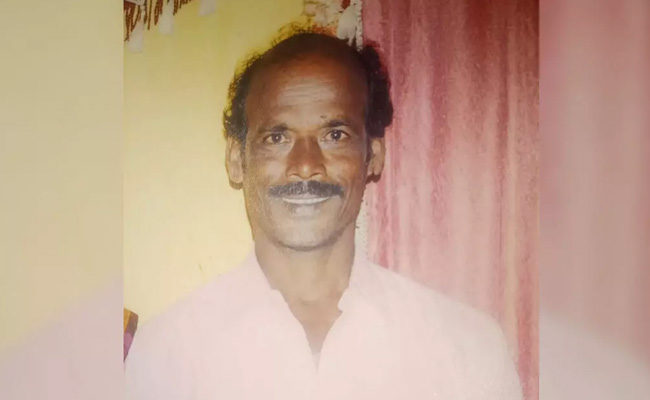
Mysuru: The Indian woman and two of her children, found dead in Dublin in Ireland last week, hailed from a village in this district in Karnataka and had gone there only seven months ago.
Local police said they were in touch with the woman's family in Hadaganahalli in Periyapatna Taluk after Seema Banu (37), her children Asfira (11), and Faizan Syed (7) were found dead on October 28 in Ballinteer in South Dublin.
Banu's husband Syed Sameer is a software engineer in Dublin and the family had gone to Ireland seven months ago.
The Dundrum Garda Station in Dublin has commenced a murder investigation, police here said.
"Yes, we are in touch with the family," said an officer without elaborating further.
The Indian Embassy in Ireland had posted a message stating that it was deeply shocked to learn about the deaths.
Let the Truth be known. If you read VB and like VB, please be a VB Supporter and Help us deliver the Truth to one and all.
CJI Surya Kant clarifies 'parasites' remarks, says 'pained' over media reports
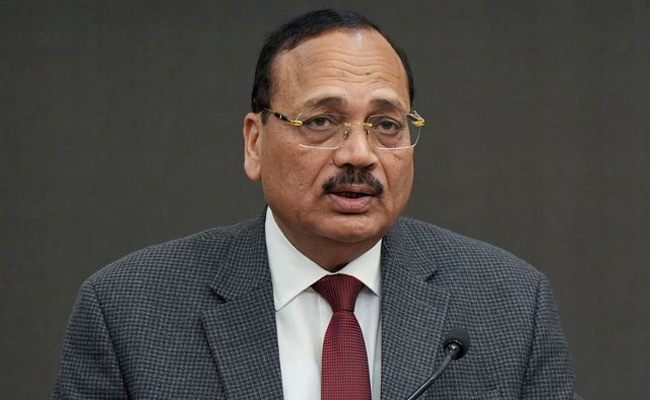
New Delhi (PTI): Chief Justice of India Surya Kant on Saturday issued a strongly worded clarification on his 'parasites' remarks, saying he was "pained" by media reports that suggested he criticised youth.
"I am pained to read how a section of the media has misquoted my oral observations made during the hearing of a frivolous case yesterday," the CJI said in a statement.
Kant emphasised that his remarks were specifically directed at individuals entering the legal profession through "fake and bogus degrees" and were "misquoted by a section of the media."
The clarification follows a controversy during a hearing on Friday, when the CJI used words like "parasites" and "cockroaches" while pulling up a lawyer for his plea seeking senior designation.
"What I had specifically criticised were those who have entered professions like the Bar (legal profession) with the aid of fake and bogus degrees. Similar persons have sneaked into the media, social media, and other noble professions as well, and hence, they are like parasites.
"It is totally baseless to suggest that I criticised the youth of our nation. Not only am I proud of our present and future human resource, but every youth of India inspires me. It is not an exaggeration to say that Indian youth have great regard and respect for me, and I too see them as the pillars of a developed India," the chief justice said about his remarks.