Yogesh Gowda murder case: Karnataka HC rejects MLA Vinay Kulkarni's plea to enter constituency
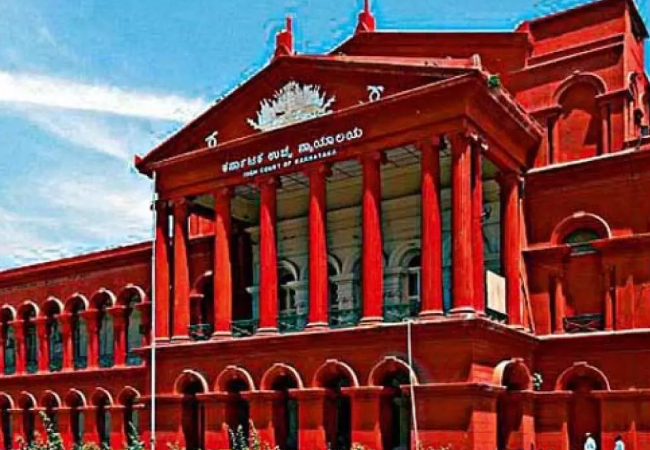
Bengaluru (PTI): The High Court of Karnataka has dismissed a petition filed by Dharwad MLA Vinay Kulkarni seeking relaxation of bail conditions that restrict his entry into the district.
The Congress MLA is the main accused in the murder of BJP leader Yogesh Gowda in 2016.
Kulkarni was denied permission to enter the constituency even when he contested the assembly election in May this year.
Now, after being elected as MLA, he sought the relaxation of the condition and moved the High Court. However, the court on Saturday dismissed his petition.
The counsel for CBI, Prasanna Kumar, opposed the petition on grounds that Kulkarni was already facing serious charges of trying to influence the witnesses in the case.
He also contended that the main witnesses are yet to be examined by the trial court.
While granting bail to Kulkarni in the case, the Supreme Court had imposed the condition that he would not enter Dharwad without the permission of the jurisdictional court.
Let the Truth be known. If you read VB and like VB, please be a VB Supporter and Help us deliver the Truth to one and all.
Teen killed after being hit by private bus in Bengaluru
Bengaluru (PTI): A 16-year-old boy was killed after he was allegedly hit and run over by a private bus while crossing a road here on Friday, police said.
The deceased was identified as Varun, they said.
According to police, the accident occurred around 11:30 am on the Hennur–Bagalur main road.
The boy who crossing the road on foot when he was allegedly struck by the bus and came under its rear wheel, leading to his death on the spot.
He was rushed to a nearby hospital, where he was declared brought dead.
Following the incident, family members and locals staged a protest by blocking the Hennur–Bagalur road, resulting in heavy traffic congestion in the area.
The driver of the bus has been detained, and further legal action is being initiated, a senior police officer said, adding that an investigation is underway.