Overuse of digital devices affects romantic relationships: Survey

New Delhi: While digital devices have helped couples to communicate and stay connected to each other, these have also led to arguments between nearly 60 per cent of romantic partners on overuse and cybersecurity issues, revealed a survey.
The survey led by Kaspersky Lab showed that over 50 per cent have argued about a device being used during a meal or face-to-face conversation.
Nearly 60 per cent of couples that live together, have argued with their partner due to too much time being spent on a device compared to 49 per cent of those who are dating but live separately.
This suggests that people don't like feeling neglected and want their partner's attention to be on them when they are together, the survey showed.
"These digital devices which help couples to secure their love when they are apart, can also cause arguments when they are used irresponsibly," Dmitry Aleshin, VP for Product Marketing, Kaspersky Lab, said in a statement on Thursday.
Nearly a quarter of couples have argued after one person infected the device with malware and 19 per cent have rowed after one partner lost money online by mistake or because of malware.
On the other hand, 8-in-10 people revealed that they always stay in touch with their partner online when they are apart from each other.
This digital devotion also extends to shared devices, as 53 per cent of people say their relationship has improved since sharing their online activities, such as accounts and devices.
"By making a conscious effort to take care of their digital lives -- including devices, accounts and online activities -- and to not neglect their partners in the physical world, people can enjoy the many benefits that the digital world offers without upsetting their other half," Aleshin suggested.
The survey was conducted on 18,000 people from 18 countries around the globe who have been in relationships for more than six months.
Let the Truth be known. If you read VB and like VB, please be a VB Supporter and Help us deliver the Truth to one and all.
What is Iran’s 10-point plan? Key demands ahead of US talks in Islamabad
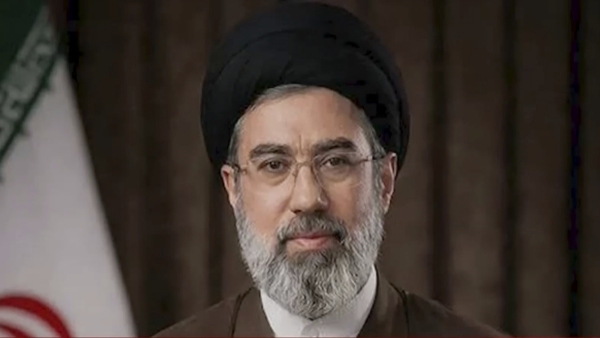
Tehran/Islamabad: Iran has outlined a 10-point plan as the basis for upcoming talks with the United States, expected to begin in Islamabad on April 11, according to a statement from the Iranian Supreme National Security Council.
The plan lays out Tehran’s key political, military and economic demands, and is being seen as a framework for negotiations following the recent escalation in the region.
Strait of Hormuz at the centre
A major focus of the plan is the Strait of Hormuz, a critical global shipping route. Iran has proposed “controlled passage through the Strait of Hormuz in coordination with the Iranian armed forces,” which it says would give the country a unique economic and geopolitical position.
The plan also calls for the “establishment of a safe transit protocol” in the Strait that would guarantee Iran’s dominance under an agreed mechanism.
Call to end conflict
Iran has demanded “the necessity of ending the war against all elements of the axis of resistance,” signalling its expectation that hostilities should stop not only in Iran but also involving allied groups in the region.
US troop withdrawal
Another key demand is the “withdrawal of US combat forces from all bases and deployment points in the region,” indicating Tehran’s long-standing position against American military presence in West Asia.
Sanctions relief and compensation
The plan places strong emphasis on economic measures. It calls for “full payment of Iran’s damages according to estimates,” along with “the lifting of all primary and secondary sanctions and resolutions of the Board of Governors and the Security Council.”
It also seeks “the release of all Iranian assets and properties frozen abroad,” which have been a major point of contention for years.
Binding global guarantee
Finally, Iran has demanded that all these terms be formally recognised through “a binding Security Council resolution,” suggesting it wants international legal backing to ensure enforcement.
What this means
The 10-point plan reflects Iran’s broader push for security guarantees, economic relief and regional influence. The upcoming talks in Islamabad are expected to test how far both sides are willing to negotiate on these demands.