Scientists identify gene that helps treat cancer
Canberra, July 2: The gene that strengthens the human immunity system has been identified by Australian scientists, it was revealed on Monday.
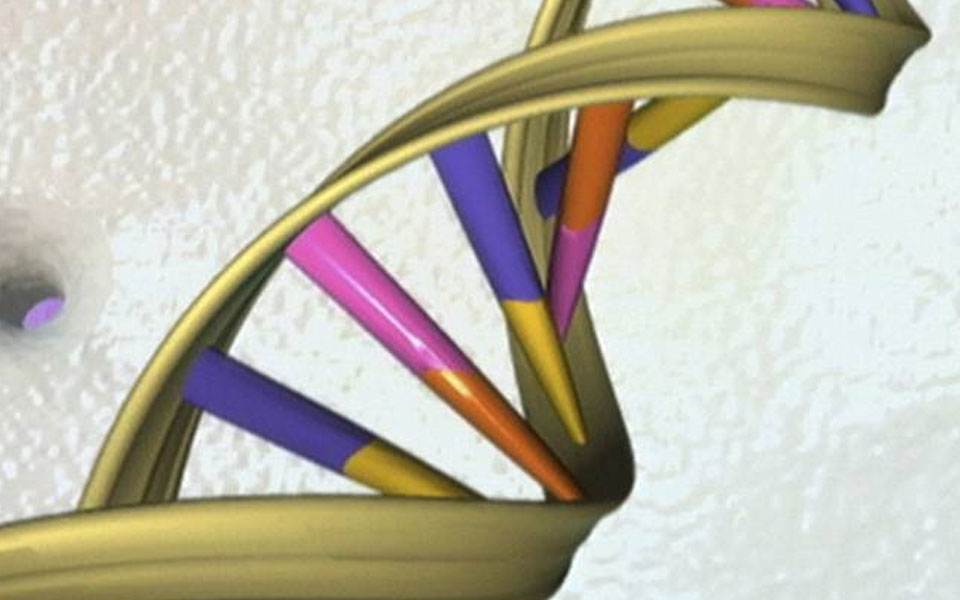
The Commonwealth Scientific and Industrial Research Organisation (CSIRO)identified the gene that plays a critical role in regulating the body's immune response to infection including cancer and diabetes.
The gene has existed for 500 million years. Its identification could lead to the development of new treatments for a "variety of diseases including cancer, diabetes and inflammatory disorders such as rheumatoid arthritis", said CSIRO researcher Cameron Stewart.
"Our immune system produces proteins called cytokines that help fortify the immune system and work to prevent viruses and other pathogens from replicating and causing disease," Stewart said in a statement.
The yet unnamed gene, currently referred to as C6 or f106, "regulates this process by switching off the production of certain cytokines to stop our immune response from spiralling out of control", Xinhua news agency reported.
The C6 has existed for more than 500 million years, preserved and passed down from simple organisms all the way to humans. But only now are we gaining insights into its importance, the scietists said.
Let the Truth be known. If you read VB and like VB, please be a VB Supporter and Help us deliver the Truth to one and all.
KSRTC introduces gender ticketing in buses across Kerala
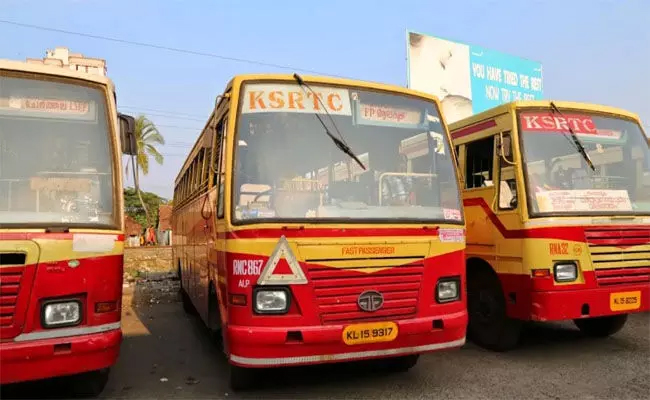
Thiruvananthapuram (PTI): The KSRCTC on Saturday began implementing gender ticketing in buses operating across the state.
According to a Kerala State Road Transport Corporation (KSRTC) circular issued on Friday, the gender ticketing system is intended to record whether a passenger is a woman, a man or a child in tickets issued on KSRTC buses from Saturday.
To facilitate the system, Electronic Ticketing Machines (ETMs) have been updated.
The circular stated that conductors in all KSRTC depots should record the gender category of passengers while issuing tickets through the ETMs.
Options for women, men, and children have been included in the ETMs to identify passenger categories when issuing tickets.
The printed tickets generated by the ETMs will also indicate the passenger's category, officials said.
The UDF had promised free KSRTC travel for women across the state during the Assembly election campaign.
UDF, which won 102 of 140 seats, would soon form the government after the Congress party finalises the discussion on the next Chief Minister.
The introduction of gender ticketing is being viewed as an effort to estimate the number of women travelling daily on KSRTC buses before implementing the poll promise.
Some conductors have reportedly raised concerns over the additional time required to record passenger details, especially during rush hours.