Very low risk to newborns from moms with COVID-19, says study
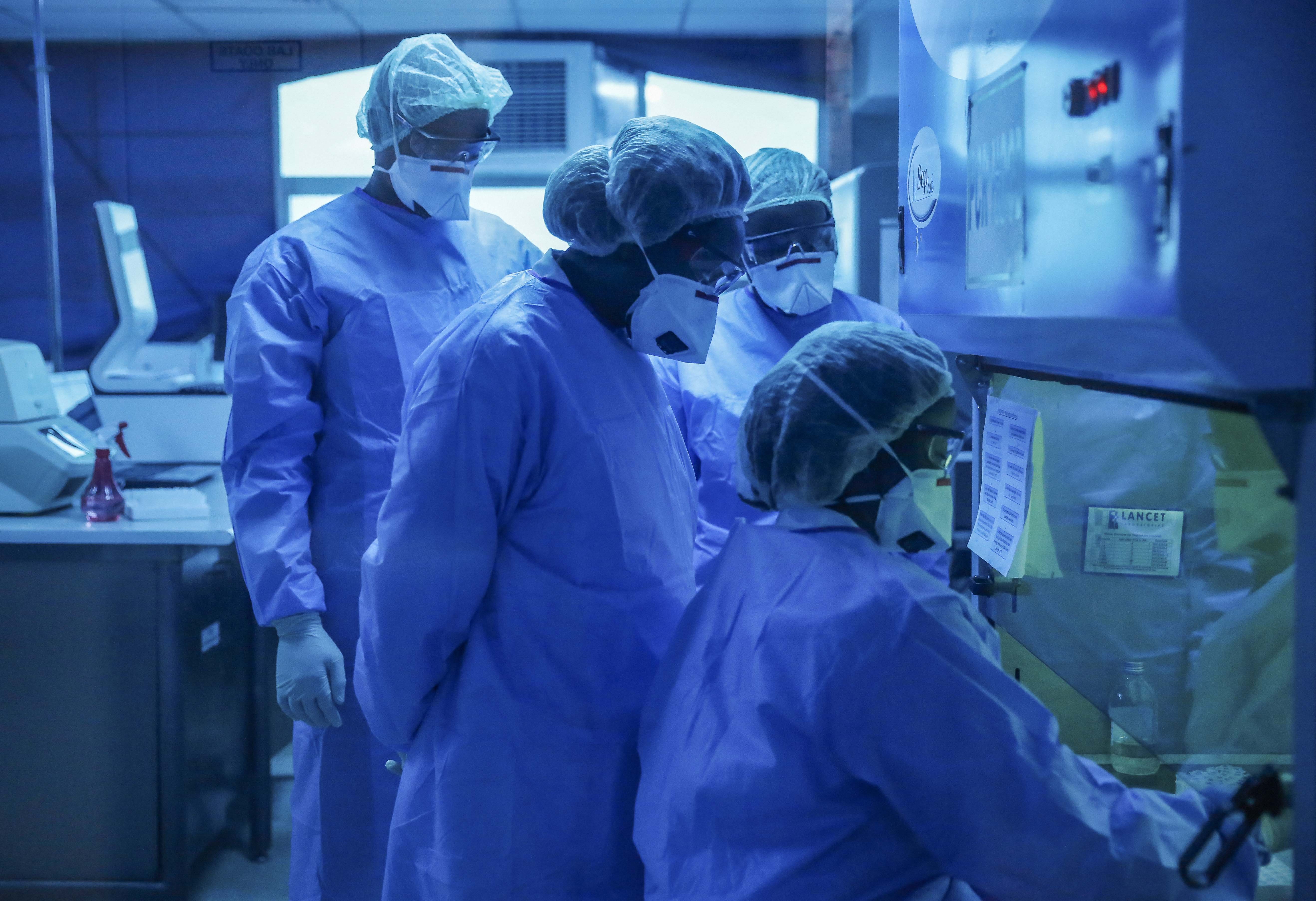
New York: Moms with COVID-19 who take basic precautions rarely pass the novel coronavirus to their newborns, even if breastfeeding, according to a new study which says more extensive measures like separating the infected mothers from their babies may not be warranted.
The research, published in the journal JAMA Pediatrics, examined outcomes in the first 101 newborns born to COVID-19-positive mothers at the NewYork-Presbyterian Hospital in the US from March 13 to April 24, 2020.
"Our findings should reassure expectant mothers with COVID-19 that basic infection-control measures during and after childbirth -- such as wearing a mask and engaging in breast and hand hygiene when holding or breastfeeding a baby -- protected newborns from infection in this series," said Cynthia Gyamfi-Bannerman, a co-author of the study from Columbia University Irving Medical Center in the US.
To reduce the risk of transmitting the SARS-CoV-2 virus to newborns after delivery, the researchers said the hospital staff practised social distancing, wore masks, and placed COVID-positive moms in private rooms.
They said the hospitals also provided the mothers with educational materials about COVID-19 and shortened hospital stays for those without complications from delivery.
Most of the newborns roomed with their mothers, including during the first postpartum checkup, while some were admitted to the intensive care unit for non-COVID-related health reasons, the study noted.
The scientists said they placed the infants who roomed with their moms in protective cribs six feet away from the mothers' beds when resting.
They encouraged direct breastfeeding and skin-to-skin contact with babies, provided the moms wore masks and washed hands and breasts with soap and water.
"During the pandemic, we continued to do what we normally do to promote bonding and development in healthy newborns, while taking a few extra precautions to minimise the risk of exposure to the virus," Gyamfi-Bannerman said.
According to the study, only two of the newborns tested positive for the coronavirus, but they had no clinical evidence of illness. However, the researchers were unable to pinpoint how the babies became infected.
When the physicians followed up with about half of the infants, including the two that tested positive for the virus, during the first two weeks of life, they found that all remained healthy.
According to the researchers the interim guidelines released by pediatric and health organisations for pregnant women with the coronavirus, recommends the separation of mothers and newborns during their hospital stay, no direct breastfeeding, and bathing newborns as soon as possible.
However, they said these recommendations were made in the absence of data on rates of mother-to-newborn transmission of the virus. The scientists said these guidelines are based on experience with mother-newborn transmission of other infectious diseases.
"But some of the recommendations conflict with what we know about the developmental benefits of early breastfeeding and skin-to-skin contact," said study lead author Dani Dumitriu from the Columbia University Vagelos College of Physicians and Surgeons in the US.
"Our study shows that these measures may not be necessary for healthy newborns with COVID-positive moms," Dumitriu said.
The researchers believe it is particularly important that mothers with COVID-19 have the opportunity to directly breastfeed their newborns.
"Breast milk is known to protect newborns against numerous pathogens, and it may help protect newborns against infection with SARS-CoV-2. Most studies have not found SARS-CoV-2 in breast milk, and breast milk has been found to contain antibodies against the virus," Gyamfi-Bannerman explained.
Let the Truth be known. If you read VB and like VB, please be a VB Supporter and Help us deliver the Truth to one and all.
Deputy CM Shivakumar announces property ownership drive in Bengaluru
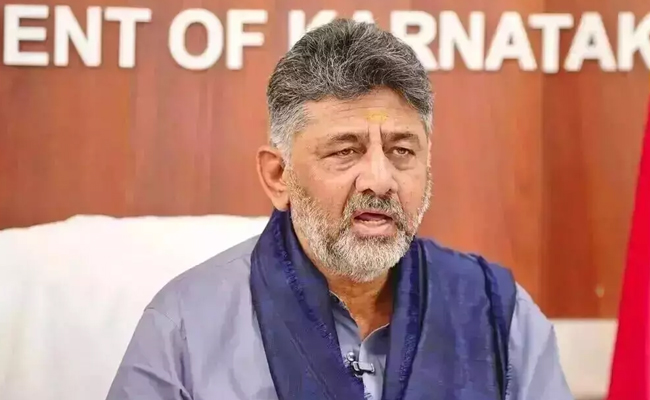
Bengaluru (PTI): Karnataka Deputy Chief Minister D K Shivakumar announced a major property ownership drive here aimed at correcting and regularising property records, saying the government had already rectified 23 lakh Khatas and enabled citizens to download their documents online.
Shivakumar, who also holds the Bengaluru Development portfolio, said the state government had begun converting B-Khatas into A-Khatas and would organise special Khata camps every Saturday across corporation limits from May 16 to help citizens secure their property documents.
A Khata is a legal document in Bengaluru certifying that a property complies with all local by-laws, regulations and has paid property taxes to the civic body.
“We have already corrected 23 lakh khatas and provided an opportunity for people to download them,” he said.
Shivakumar explained that the major campaign has been undertaken in Bengaluru to streamline property documentation.
The Deputy Chief Minister said between five and 10 centres would be set up in every corporation area as part of the “Khata Andolana” programme and urged citizens to participate in large numbers.
“I appeal to people to safeguard their property documents. We have created an opportunity for all citizens,” he said.
Calling it a "people-centric" initiative, Shivakumar said the government was working to ensure citizens received proper ownership documentation for their properties.
Shivakumar further claimed that the initiative had drawn national attention and said the Union government had recognised Karnataka with an award for the programme.
“Your Khata is your right. Obtain your Khata and protect yourself from fraud,” he said, while urging people to take advantage of the scheme.