13-week-old video predicting ‘attack’ as diversion from ‘vote scam’ resurfaces after Delhi Blast
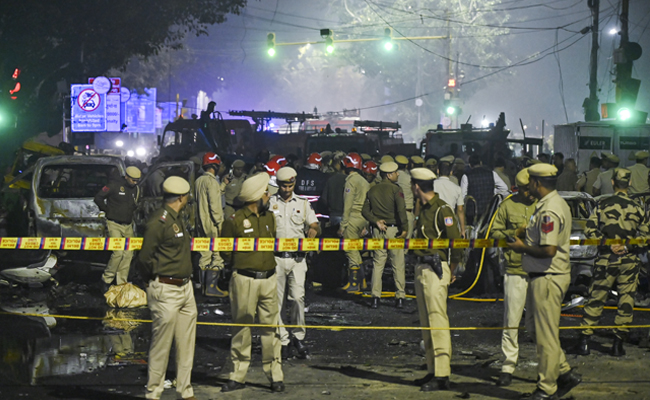
New Delhi: A 13-week-old Instagram video has gone viral after netizens linked it to the recent blast near Delhi’s Red Fort, which killed at least twelve people. The reel, originally posted nearly three months ago, appears to hint at a “major incident” that would divert attention from the alleged “vote scam” controversy in the country.
The video shows a man in a formal suit sitting pensively, with the text overlay: “When you realise something big is gonna happen in the country to overshadow the vote scam!” The clip has now crossed over 2.1 million views, drawing renewed attention amid heightened political and public tension following the Red Fort explosion.
The “vote scam” debate resurfaced last week when Congress leader Rahul Gandhi accused the Election Commission (EC) of colluding with Prime Minister Narendra Modi and Home Minister Amit Shah to manipulate results in the Haryana Assembly elections. Gandhi alleged a “centralised operation” created over 25 lakh fake voters through duplicate entries and altered photographs. The EC, however, dismissed these claims as “baseless.”
Soon after the blast, social media users began revisiting the old reel, with many suggesting it “predicted” a distraction from ongoing controversies. Comments on the video reflected both shock and suspicion. One user wrote, “The silence scares me. They are plotting something big. I pray for the innocents.” Another said, “The BJP senses the ground slipping under its feet and is desperate.”
Other comments under the resurfaced video mentioned past national events such as “Terrorist attack, Demonetization, CAA, NRC,” with one user warning, “Attack hone wala hai 😢.” Some had even speculated earlier that any such incident could carry religious or communal undertones.
After the Delhi blast, the reel flooded with fresh comments like “3-month-old reel trending again! Not a proud moment but one of sorrow. Stay strong Delhi ❤️🩹” “Ho gaya...🔥 Blast in Delhi.” “Yeah, the Red Fort bomb blast as a distraction to get protests away too.” “Whenever there’s a bottleneck for BJP, they have insane plans like this… even Delhi CM must’ve known.”
Referring to similar instances, one user drew parallels with the Pahalgam attack, claiming it too coincided with Muslim protests over the Waqf Amendment Act.
Summing up the public sentiment, another commenter wrote, “How can the public be fans of a party like it’s an IPL team? They’re public servants treating us like pawns while filling their pockets.” The same user alleged that agencies like the EC and EDI were being misused, urging citizens to “wake up before it’s too late.”
View this post on Instagram
Let the Truth be known. If you read VB and like VB, please be a VB Supporter and Help us deliver the Truth to one and all.
ED arrests Punjab minister Sanjeev Arora in fresh PMLA case
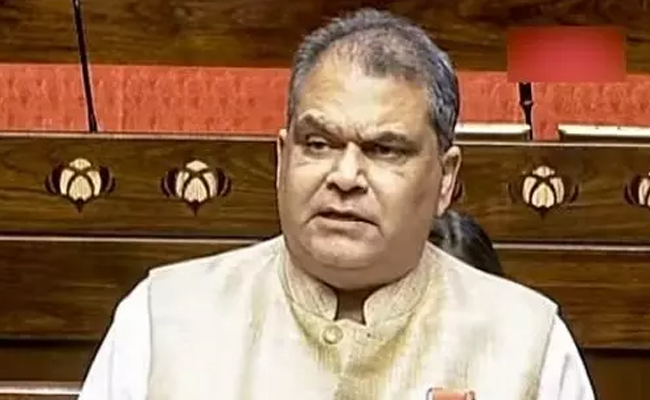
New Delhi/Chandigarh (PTI): The Enforcement Directorate on Saturday arrested Punjab industries minister Sanjeev Arora in a fresh money laundering case against him and some entities allegedly linked to him, officials said.
Arora was taken into custody under the Prevention of Money Laundering Act (PMLA) after raids were conducted at his official residence in Chandigarh since early morning, they added.
Officials claimed Arora (62) was "non-cooperative" during the probe. He is expected to be produced before a local court on Saturday, where the agency will seek his custody for a detailed interrogation.
The ED carried out the searches at five premises across north India as part of the action.
The raids also covered two premises in Delhi and that of a company named Hampton Sky Realty Ltd in Gurugram's Udyog Vihar.
The searches were launched after the central agency registered a fresh case under the criminal sections of the Prevention of Money Laundering Act (PMLA), the officials said.