As farmers’ protest intensifies, Twitter hashtag calling PM Modi a ‘Coward’ goes trending in India
Hashtag grosses nearly three lakh tweets within hours
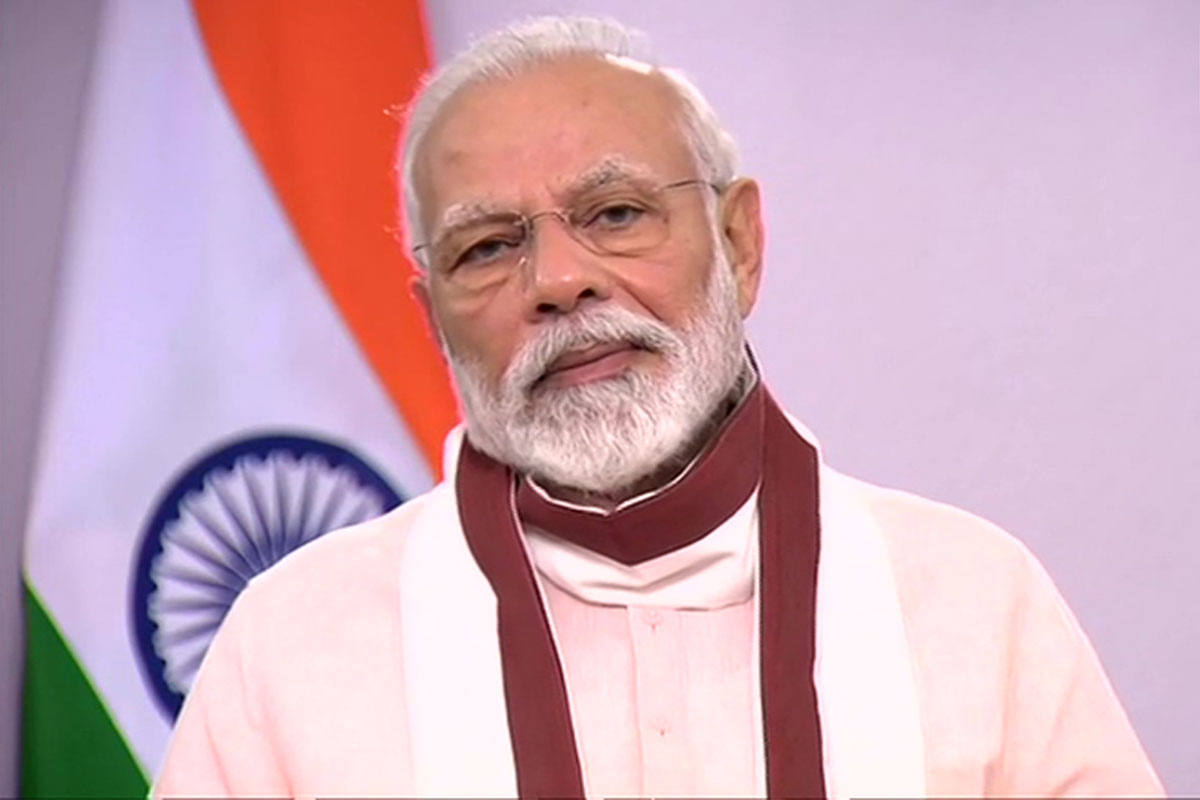
New Delhi: As farmers’ protest intensified on Thursday after the Ghazipur Magistrate ordered the farmers to vacate the public spaces, Twitter users in India started tweeting with a hashtag calling out Prime Minister Narendra Modi to be a coward.
The hashtag #मोदी_कायर_है went trending on Twitter in India on Thursday evening as farmers and other activists anticipated police action later at night to vacate the farmers from protesting sites at the Ghazipur border.
The reports of police action were fuelled by the fact that farmers’ leader Rakesh Tikait along with Yogendra Yadav and others were booked under UAPA.
The users called out on Narendra Modi referring to him as “Kayar” (Hindi word for Coward). The hashtag was soon trending on the micro-blogging site with nearly three lakh tweets at the time of posting of this report.
The users also expressed their support to Rakesh Tikait, hailing him for his courage and steadiness for the cause of farmers. Reports across social media platforms also suggested that a heavy number of people were reaching at Ghazipur Border to support Tikait in what they termed as “crucial night”.
Tikait meanwhile made an announcement from the stage at the protesting site on Thursday night that they were ready to go to jail but not back to their homes and that the protest will continue.
Here are some of the tweets from the trending hashtag:
NOTE: The claims made in the tweets embedded below or the ideas presented in them are those solely of the users. Vartha Bharati does not guarantee the authenticity of any of the claims or does not necessarily endorse the ideas, views posted by any of the users.
It is our duty to stand with those who stand with the farmers.#मोदी_कायर_है#राकेश_टिकैत_किसानों_की_आवाज_है pic.twitter.com/kNhZsILkEy
— Dr.Meenu?? (@DrMeenu05) January 28, 2021
We are farmers and we are supporting our kisan leader #RakeshTikait at #ghazipurborder#राकेश_टिकैत_किसानों_की_आवाज_है#मोदी_कायर_है pic.twitter.com/4bJ4XQDD0Q
— ਬਾਬਾ ਬਖਤੌਰਾ (@jatt_junction) January 28, 2021
#मोदी_कायर_है Brave farmers of India are winning for the better future of our country. pic.twitter.com/vsEHR6Xx9r
— Rashmi. (@ra_tweety1) January 28, 2021
The farmer always strengthens the economy of the country, because the future of the country is the farmer. #राकेश_टिकैत_किसानों_की_आवाज_है#मोदी_कायर_है pic.twitter.com/GoaDg2Oybv
— Aditi chaudhary INC (@inc_aditi) January 28, 2021
The nation must stand with the farmers, and help them fight against the inhuman treatment of the coward Modi Government.#CongressWithFarmers #मोदी_कायर_है#KisanNahiToDeshNahi pic.twitter.com/PaV1cwARh7
— Azam Lebbai اعجم لببیء (@Azamlebbai1) January 28, 2021
If the enemy is proud of his power then we are proud of our courage #मोदी_कायर_है pic.twitter.com/sLWHYGCoc7
— Ashu Bidhuri (@bidhuri_ashu) January 28, 2021
This man is the voice of farmers
— Ravi Mehriya (@Ravijat9352) January 28, 2021
True leader#राकेश_टिकैत_हीरो_है#राकेश_टिकैत#मोदी_कायर_है pic.twitter.com/CLIbLgQF9q#राकेश_टिकैत_हीरो_है
Jaat community should also introspect their grave mistake of voting more than 90% to BJP government in 2019 Loksabha Election. Now Kayar Modi is paying back.
— Amir (@Amir_Sherwani) January 28, 2021
Waqt aa gaya hai Modi ko jad se ukhhad phenkne ka.
Ye bas dallo ka saga hai bharat ka nahi#मोदी_कायर_है
Win or lose, time will tell!
— socialist (@Socialistqawsed) January 28, 2021
But today we have also seen Baba Tikait as you!
Rakesh Tikait ji is proud of you! #मोदी_कायर_है#राकेश_टिकैत_किसानों_की_आवाज_है pic.twitter.com/1nIXqmrxio
Supporting Rakesh and other farmers means fighting for ourselves. Fighting for our upcoming generations. #राकेश_टिकैत_किसानों_की_आवाज_है#मोदी_कायर_है#राकेश_टिकैत_किसानों_की_आवाज_हैं
— Vikas Sahu (@vikas_sahu9) January 28, 2021
Let the Truth be known. If you read VB and like VB, please be a VB Supporter and Help us deliver the Truth to one and all.
Allahabad HC orders probe into 'reinstatement' of teacher in UP's Barabanki
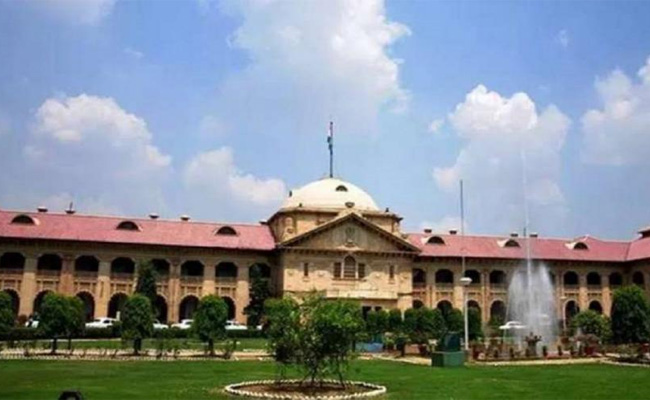
Lucknow (PTI): The Lucknow Bench of the Allahabad High Court on Friday ordered a probe by the special task force (STF) into alleged irregularities in the rejoining of a teacher at City Intermediate College in Barabanki, observing that the reinstatement appeared to be prima facie illegal.
The court also directed the recovery of the salary paid to the teacher during the disputed period.
A bench of Justice Rajeev Singh passed the order on a petition filed by the college management committee. The court expressed doubts over the roles of the District Inspector of Schools (DIOS), Barabanki, the college principal and the teacher concerned and hence, directed a detailed inquiry into the matter.
Taking note of alleged manipulation of records and misleading submissions, the court ordered the immediate transfer of the Barabanki DIOS to ensure a fair probe. It also directed the initiation of disciplinary proceedings against the then joint director of education of the Ayodhya division.
In its order, the court found that the teacher, Abhay Kumar, was initially appointed as an assistant teacher in 2018 but joined an Eklavya Model Residential School in Chhattisgarh as a lecturer in June 2024 without obtaining permission from the management. His subsequent request to retain the lien was rejected.
Despite this, he was allowed to rejoin the Barabanki College in September 2025 on the directions of the joint director of education and the DIOS, and was even paid the salary for October 2025. The court termed the rejoining "wholly illegal" and lacking any legal basis.
The bench also expressed concern over lapses in communication within the education department and directed the Uttar Pradesh chief secretary to ensure that official orders are communicated through email and WhatsApp as well, to prevent disputes.
The matter is next listed for hearing on May 28 when a compliance report is sought.