PM Modi crosses 100 million X followers, netizens share 2018 report showing 60% fake followers
Similar claims where made when he crossed previous milestones in 2021 and 2012

New Delhi: Prime Minister Narendra Modi's official Twitter account, @narendramodi, has crossed a significant milestone by surpassing 100 million followers.
The achievement sparked congratulations from BJP leaders and trended widely on X. However, amidst the celebration, controversy arose as users shared a 2018 study suggesting that Modi had a substantial percentage of fake followers, a claim also highlighted when he crossed previous milestones in 2021 (70 million followers) and 2012 (1 million followers).
Several social media users pointed to a 2018 study conducted by the social media site, which claimed that Modi had the highest percentage of fake followers — 60 per cent.
According to a study by Status People back in 2012, approximately 46% of Modi's followers are deemed fake, while 41% are inactive. This information, provided by engineers based in London, had led to discussions about the authenticity of Modi's massive follower base in 2012 when he had reached 1M followers.
Since its inception in 2009, PM Modi's account has steadily accumulated followers, reflecting his strategic use of Twitter to bolster his social media presence. Previous analyses, including a 2015 study by the University of Michigan found that a combination of carefully crafted tweets and strategic followbacks to other Twitter accounts helped the PM build a powerful social media brand.
“PM Modi is fake from top to bottom, even his followers are FAKE,” one user tweeted sharing the old study of 2018.
Despite the milestone, debates surrounding the methods used to expand PM Modi's X following continue to resonate on social media platforms. Netizens have been pretty vocal in calling out PM Modi for fake followers.
BREAKING NEWS ➖ PM Modi is fake from top to bottom, even his followers are FAKE ⚡⚡
— Ravinder Kapur. (@RavinderKapur2) July 14, 2024
Twitter ( now X ) says Narendra Modi has 60% fake followers and he's No 2 on the list of fake followers on Twitter around the world. pic.twitter.com/RtvTvJKk3U
Let the Truth be known. If you read VB and like VB, please be a VB Supporter and Help us deliver the Truth to one and all.
Bihar: Over 150 children fall ill after consuming 'mid-day meal' in Saharsa
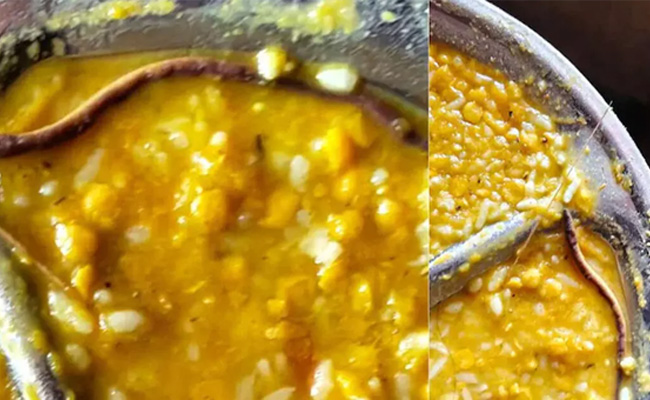
Saharsa (PTI): More than 150 children were taken ill after allegedly consuming food that was part of the mid-day meal in a school in Bihar’s Saharsa district, a senior official said on Thursday.
The incident occurred at a middle school in Baluaha village of the district.
The official said that 115 children were undergoing treatment at the Sadar Hospital, while around 50 students were admitted to Mahishi Public Health Centre.
“We received information that several children fell ill after consuming the mid-day meal in Baluaha. The children were initially treated at the primary health centre, but later, many were referred to the Sadar Hospital,” Saharsa District Magistrate Deepesh Kumar told reporters.
“According to doctors, the health condition of the children has improved, but they will be kept under observation for some time. There is no need to panic. Some kids are having mild fever. They are being treated accordingly,” Kumar said.
Meanwhile, family members of some children claimed that a snake was found in the container in which cooked pulses was stored at the school.
Of the 545 students present in the school, 200 had already eaten their meals by the time the snake was spotted, and later complained of stomach ache and vomiting, they said.
Regarding the claims, the DM said food samples have been collected from the school.
“We will be able to comment on this only after the results of the tested samples arrive,” he said.