Twitter exempts some 'cause-based' messages from political ad ban

Washington, Nov 16: Twitter said Friday its ban on political ads will exempt "caused-based" messages on topics related to social or environmental issues.
The San Francisco-based messaging platform unveiled details of its move to bar all paid political messages, starting November 22, while easing concerns expressed by activists for social causes.
"Ads that educate, raise awareness, and/or call for people to take action in connection with civic engagement, economic growth, environmental stewardship, or social equity causes are allowed," Twitter said in its new policy.
"However, they may not reference prohibited political advertisers or political content." Twitter announced the political ad ban on October 30, saying the move was aimed at countering the spread of misinformation by politicians.
Chief executive Jack Dorsey said at the time the company wants to head off potential problems from "machine learning-based optimization of messaging and microtargeting, unchecked misleading information, and deep fakes."
Under Twitter's new policy, even exempted cause-based ads would face restrictions on how the messages are targeted -- advertisers may use some geographic targeting "at the state, province or regional level and above," but not by specific locality.
These ads could also be targeted by "keyword" searches on the platform or by "interests" previously indicated by users, but may not be based on political leanings or affiliations or other more refined techniques.
The political ban has drawn mixed reactions: some argue it puts pressure on Facebook to follow suit or take other steps to curb the spread of misinformation from politicians; others say a ban will be difficult to enforce.
Social media platforms have been challenged by President Donald Trump's campaign and its use of ads that contain claims critics say have been debunked by independent fact-checkers.
But Trump 2020 campaign manager Brad Parscale mocked the ban, saying last month, "Twitter just walked away from hundreds of millions of dollars of potential revenue, a very dumb decision for their stockholders." Some analysts point out that the ban will not affect "organic" content, or messages from politicians that are shared or retweeted by supporters, and that it could encourage the use of "bots" or paid users to amplify the tweets.
Let the Truth be known. If you read VB and like VB, please be a VB Supporter and Help us deliver the Truth to one and all.
Bengaluru: CCB busts citywide prostitution racket; four arrested, four rescued
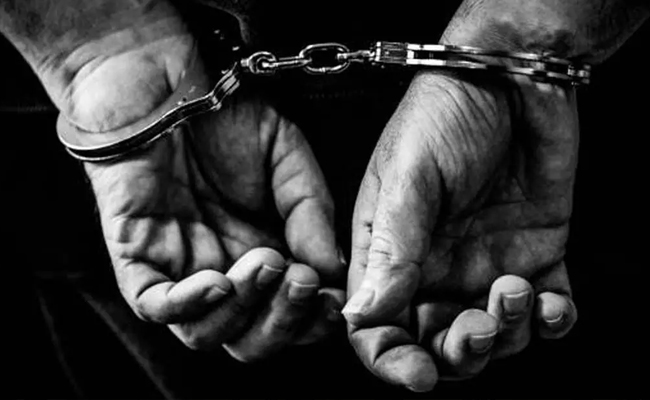
Bengaluru (PTI): Four women were arrested and four others, two of whom were from other states, were rescued after the CCB busted a prostitution racket operating from rented houses across the city, police said on Thursday.
The operation was carried out by the Central Crime Branch’s Women Protection Squad based on credible information gathered over multiple days about illegal activities at various locations, they said.
According to the police, houses had been rented in Manuvana, Vijayanagar, Ramaswamipalya, Banaswadi, Andrahalli, Veerabhadreshwara Nagar, and Byadarahalli, where women were being confined and forced into prostitution.
Acting on specific inputs, coordinated raids were conducted at these locations. During the operation, four women who were allegedly being forced into prostitution were rescued. Four women accused of running the racket were arrested, a senior police officer said.
During interrogation, the accused reportedly confessed that they contacted clients over the phone and arranged meetings at the rented houses to carry out the illegal activities to earn more money, he added.
Cases have been registered at Vijayanagar, Banaswadi, and Byadarahalli police stations. The accused were produced before the court on different dates and have been remanded to judicial custody, police said.