Twitter in talks with Elon Musk over bid to buy platform: Reports
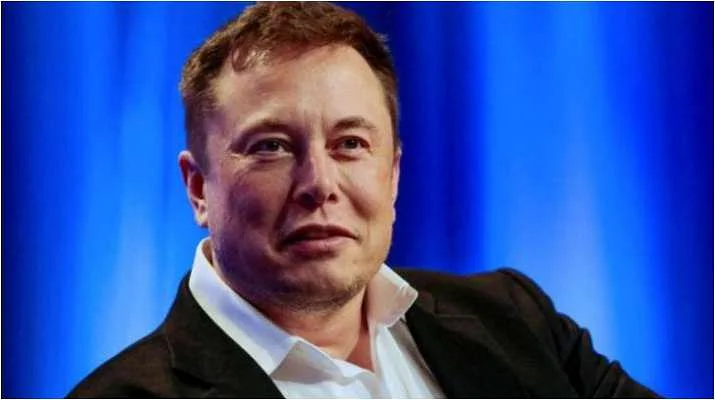
Washington, Apr 25: Twitter's board is negotiating with Elon Musk over his bid to buy the social media platform and a deal could be announced as early as Monday, according to media reports.
Twitter and Musk negotiated into the early hours Monday over his bid to buy the social media platform, The New York Times reported, less than two weeks after the billionaire first revealed a massive stake.
Musk said last week that he had lined up USD 46.5 billion in financing to buy Twitter, putting pressure on the company's board to negotiate a deal.
The Times, citing people with knowledge of the situation who it did not identify, said the two sides were discussing details including a timeline and fees if an agreement was signed and then fell apart. The people said the situation was fluid and fast-moving.
Before the opening bell Monday, shares of Twitter Inc. rose 5%.
Twitter had enacted an anti-takeover measure known as a poison pill that could make a takeover attempt prohibitively expensive. But the board decided to negotiate after Musk updated his proposal to show he had secured financing, according to The Wall Street Journal, which was first to report the negotiations were underway.
Also, a rival bidder to Musk may not be stepping up any time soon, fearful of the byzantine task of moderating content on the platform, something that Musk has vowed to do less of.
The Twitter Board could not find a white knight and with Musk's financing detailed the clock has essentially struck midnight for the board which is why negotiations have begun to get a deal done, said Dan Ives, who follows Twitter for Wedbush Securities.
On April 14, Musk announced an offer to buy the social media platform for USD 54.20 per share, or about USD 43 billion, but did not say at the time how he would finance the acquisition.
Last week, he said in documents filed with U.S. securities regulators that the money would come from Morgan Stanley and other banks, some of it secured by his huge stake in the electric car maker.
Twitter has not commented.
Musk has said he wants to buy Twitter because he doesn't feel it's living up to its potential as a platform for free speech.
In recent weeks, he has voiced a number of proposed changes for the company, from relaxing its content restrictions such as the rules that suspended former President Donald Trump's account to ridding the platform of its problems with fake and automated accounts.
Musk is the world's wealthiest person, according to Forbes, with a nearly USD 279 billion fortune. But much of his money is tied up in Tesla stock he owns about 17 per cent of the company, according to FactSet, which is valued at more than USD 1 trillion and SpaceX, his privately held space company. It's unclear how much cash Musk has.
Let the Truth be known. If you read VB and like VB, please be a VB Supporter and Help us deliver the Truth to one and all.
Congress using hijab issue to pacify minority anger, alleges Karnataka LoP R Ashoka
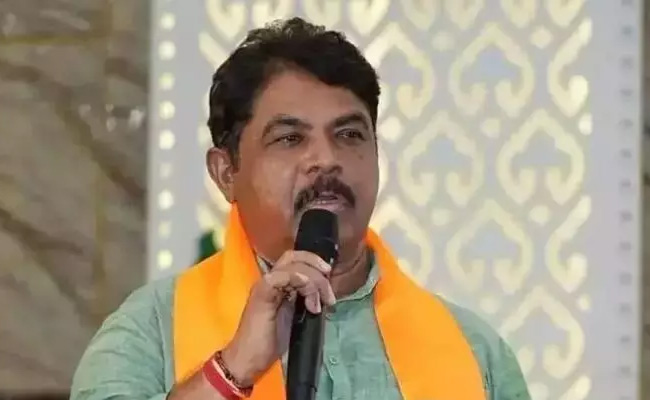
Bengaluru: Leader of Opposition in the Assembly R. Ashoka has accused the Congress government of using the hijab issue to placate what he described as discontent among minority voters after the Davanagere by-election.
In a post on X on Wednesday, Ashoka alleged that the state government, instead of addressing issues such as price rise, corruption, farmers’ distress and law and order, was attempting to retain its minority vote base by reviving the hijab issue.
Referring to the 2022 dress code introduced by the BJP government, which prohibited hijab in schools and colleges, Ashoka said the Karnataka High Court had upheld the policy and emphasised the importance of discipline in educational institutions.
He questioned the Congress government’s move to revisit the issue and asked whether setting aside the court-backed policy to benefit one community could be described as secularism.
Ashoka further alleged that while the government was willing to permit hijab, it continued to prohibit saffron shawls.
He accused the government of dividing students on religious lines rather than treating schools and colleges as spaces of equality.
Drawing a comparison with Mamata Banerjee’s government in West Bengal, Ashoka claimed that excessive appeasement politics had harmed the state and warned that the Congress in Karnataka could face a similar political response.
He said voters in Karnataka would teach the Congress a lesson for what he termed “vote-bank politics” and for compromising constitutional and judicial principles.