WhatsApp for Android to add two new features: Swipe to reply, picture-in-picture mode

WhatsApp beta on Android has been updated with two new features. Users can now ‘Swipe to reply’ on chats, and open video links without leaving the app.
These two features are currently available only for WhatsApp beta users on Android. WhatsApp’s beta programme is open for all users and you can follow this link to become a member. Being a beta member on WhatsApp will give you access to features rolled out before it hits the stable version. You can always opt out of the beta programme and get back to the stable WhatsApp.
Picture-in-Picture mode supports YouTube and Instagram videos. If you tap on a YouTube or Instagram video link, it will play within the chat and not direct you to the respective apps. You can also expand the video box to watch it in full-screen. Earlier in August, WhatsApp rolled out picture-in-picture for video calling on its beta app. On iOS, this feature has been available since last year.
Another feature rolled out on iOS is swipe to reply. This essentially allows users to swipe right on the message they want to reply to. It will launch the reply box for that particular message. This feature is an addition to the existing way of replying with a long press on the message. Users now have two shortcut ways of replying to messages on WhatsApp.
This too, has been available for WhatsApp users on iOS for a long time now. WhatsApp usually rolls out features available on beta for its stable version. This however does not confirm a definite rollout though. WhatsApp is expected to introduce more features in the future which include dark mode. It is also reportedly working on showing ads on the messaging app.
courtesy : hindustantimes.com
Let the Truth be known. If you read VB and like VB, please be a VB Supporter and Help us deliver the Truth to one and all.
Noida airport to begin ops next month with IndiGo flights to Lucknow, Bengaluru
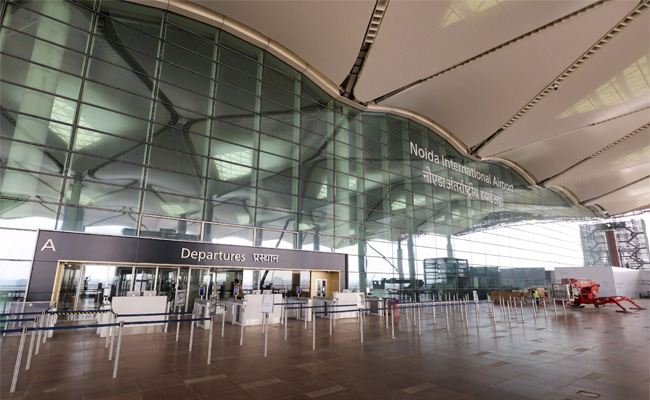
Noida (PTI): IndiGo on Thursday announced that it will start commercial flight operations from the Noida International Airport in Jewar from June 15, becoming the launch carrier for the greenfield airport in western Uttar Pradesh.
The first day flights will be to and fro Lucknow and Bengaluru, the airline said in a statement.
Noida International Airport was inaugurated by Prime Minister Narendra Modi on March 28.
IndiGo said it will be the first carrier to start commercial services from the airport, the third in the National Capital Region (NCR).
According to the airline, inaugural flights on June 15 will operate on the Lucknow-Noida-Bengaluru-Noida-Lucknow sector.
As per the announced schedule, flight 6E 2278 will depart from Lucknow at 7.05 am and arrive in Noida at 8.05 am before departing for Bengaluru at 8.35 am and landing there at 11.05 am.
The return flight, 6E 2279, will leave Bengaluru at 3.45 pm and reach Noida at 6.20 pm before departing for Lucknow at 6.55 pm and arriving there at 8 pm.
IndiGo said it will gradually introduce direct flights connecting Noida International Airport to more than 16 destinations across the country, including metro cities such as Bengaluru and Hyderabad, besides tier-2 and tier-3 cities like Amritsar, Chandigarh, Dharamsala, Jaipur, Lucknow, Navi Mumbai, Pantnagar and Srinagar.
The airline said bookings for the flights are being opened in phases through its website, mobile application and authorised travel partners.
Aloke Singh, Chief Strategy Officer of IndiGo, said the airline was pleased to announce the launch of operations from Noida International Airport.
"Strategically positioned on the Yamuna Expressway, Noida International Airport will be the new gateway for western Uttar Pradesh alongside the NCR. As we continue to expand our operations, we remain committed to delivering affordable, on-time and hassle-free travel experiences," Singh said.
IndiGo said the airport is expected to emerge as a major domestic aviation hub and will strengthen connectivity between Delhi-NCR and western Uttar Pradesh through integrated road and rail infrastructure.