Did 350 people convert to Islam in New Zealand after the Christchurch Mosque attack?
On March 15, at least 49 people were killed in a horrific massacre at two mosques in Christchurch, New Zealand. Two days later, a claim started circulating on social media that 350 people have converted to Islam, after the Christchurch massacre, in New Zealand. “Did you know? The terrorist attack in #Christchurch killed 51 Muslims, today approximately 350 people have converted/reverted back to #Islam in New Zealand. Stop fearing/hating Islam, please try to understand it.”, tweeted Zain Khan, a broadcast journalist based in UAE, on March 18. The tweet included three pictures of women wearing a hijab.
Did you know?
— Zain Khan (@ZKhanOfficial) March 18, 2019
The terrorist attack in #Christchurch killed 51 Muslims, today approximately 350 people have converted/reverted back to #Islam in New Zealand.
Stop fearing/hating Islam, please try to understand it.#NewZealandShooting #Islamophobia pic.twitter.com/X02TditdBI
One Facebook user Javed Shaikh has posted these photographs with the same narrative. The post has garnered over 2000 shares so far.

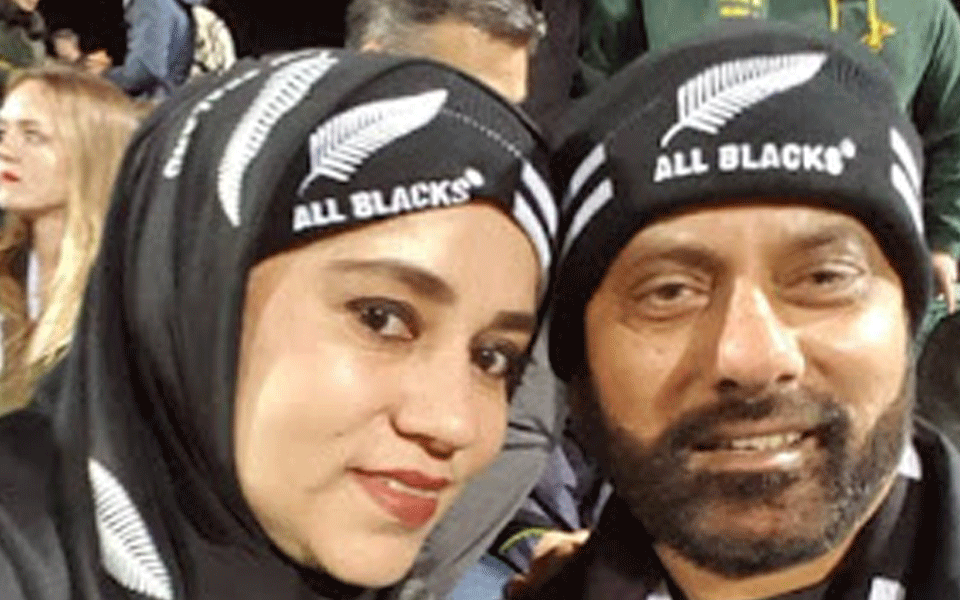
Multiple people on Twitter have shared the claim based on a blog published on March 17, 2019. “50 Muslims were killed on Friday in New Zealand & 350 people accepted Islam today in New Zealand”, states the title of a blog according to which 350 people have converted to Islam after the mass shooting in Christchurch. The blog also carried a photograph of a couple, where the woman was seen donning a hijab. It has garnered close to 3.8 lakh shares on Facebook alone.

A website named KashmirGlacier.com had also used the same image featuring a couple with an identical narrative. A tweet by @ibrocan2007, an individual user was one of the earliest that Alt News could trace back to on social media. This was several hours before a blog was published by Loveforislamic. The archived version of the blog can be accessed here.
ALHAMDULILLAH...
— ABOKI MX CITY (@ibrocan2007) March 17, 2019
They killed 50 Muslims while praying yesterday and today over 350 accepted Islam in New Zealand ???? pic.twitter.com/QhRQ6LHlmU
Viral video
A Facebook page, Sajid Hashmat has shared a video with an identical narrative, which has gathered more than 38,000 shares and 4 lakh views so far.
Several other individuals and pages have posted the same video claiming that 350 people have converted to Islam after the christchurch massacre.

Fact-check
The video now viral on social media with a narrative that 350 people have been proselytized to Islam in New Zealand is at least 10 years old and unrelated. It was posted on YouTube on September 27, 2009, while the video stated that it dates back to 2007.
Images
Alt News found that the photographs shared as those of proselytized individuals are several years old and are not related to the claim. Using Google reverse image search on the images circulating on social media, here is what we have discovered:
- This image pertains to a woman who had designed a ‘rugby hijab’ to support All Blacks, New Zealand’s national rugby team. A caption below the same image published in an article by a New Zealand website Stuff on September 18, 2017, reads, “Rehana Ali and her husband Azam Ali supporting the All Blacks in her uniquely designed All Blacks hijab”.

- Nancy Allen, a Christian woman from South Carolina, USA had worn a hijab in support of Muslim women and freedom of religion, according to an article published by an online edition of American newspaper Arkansas Democrat-Gazette on February 14, 2016.

- The image of a woman wearing a blue coloured hijab is generic and has existed on the internet at least since September 2018.

- On Facebook, the picture of a woman holding a Quran in her hand was posted on December 22, 2016.

Thus, old and unrelated pictures and video were circulated on the internet as those of people who converted to Islam after the attack in Christchurch. The source of the ‘350’ number was a poorly written blog. While the figure of 350 people converting to Islam cannot be independently verified, there are no references to any mass conversations in any media report.
Courtesy: www.altnews.in
Let the Truth be known. If you read VB and like VB, please be a VB Supporter and Help us deliver the Truth to one and all.
Congress’ Umesh Meti wins Bagalkot bypoll
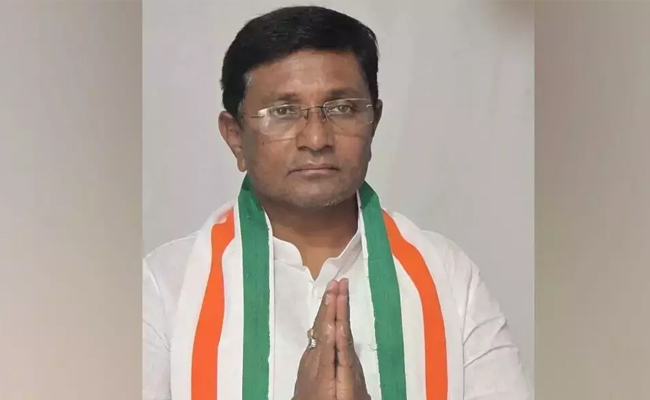
Bagalkot: The Congress has secured a victory in the Bagalkot Assembly by-election, with its candidate Umesh Meti winning the seat after maintaining a lead from the first round of counting till the end.
The seat had fallen vacant following the death of sitting MLA H Y Meti. Umesh Meti, his son, has now been elected to the Assembly.
Party leaders attributed the victory to a combination of factors, including sympathy votes, the state government’s schemes, and campaign strategies led by Chief Minister Siddaramaiah and senior leader Satish Jarkiholi.
The Congress maintained a consistent lead throughout the counting process, eventually securing a decisive win in the constituency.