Tap water in Bengaluru, Chennai not safe for drinking: Govt study
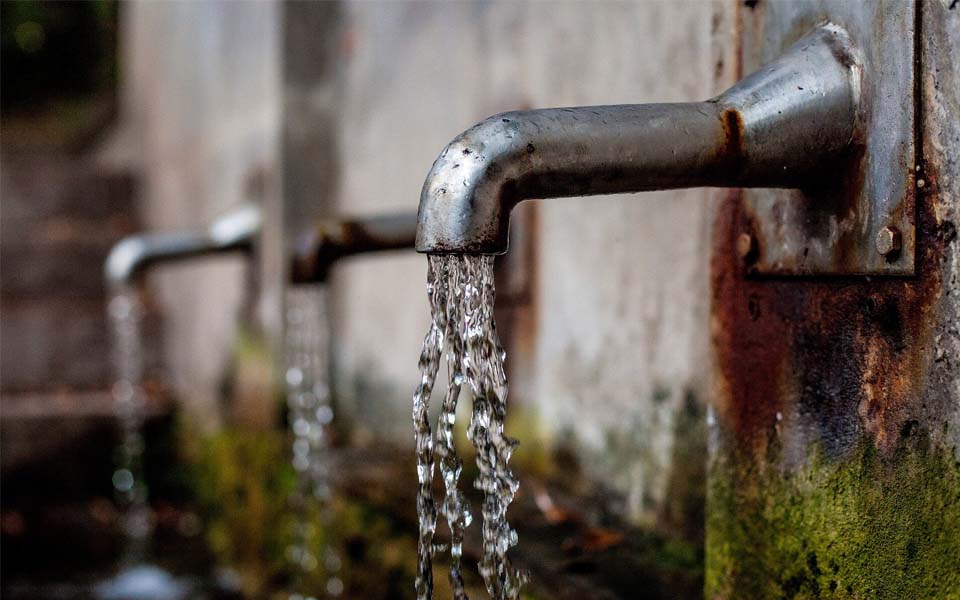
New Delhi, Nov 16: Mumbai residents need not buy reverse osmosis (RO) water purifiers as a study by the Union Consumer Affairs Ministry has found samples of tap water collected from the financial capital compliant with the Indian standards for drinking water, according to a report.
However, other metro cities of Delhi, Kolkata and Chennai failed in almost 10 out of 11 quality parameters tested by the Bureau of Indian Standards (BIS) which is under the aegis of the Consumer Affairs Ministry.
Similarly, samples drawn from 17 other state capitals were not as per the specification 'Indian Standard (IS)-10500:2012' for drinking water.
Releasing the second phase study, Consumer Affairs Minister Ram Vilas Paswan said, "Out of 20 state capitals, all the 10 samples of piped water drawn from Mumbai were found to comply with all 11 parameters, while other cities are failing in one or more."
The solution to this problem is to make compliance of quality standards for piped water mandatory across the country. The ministry has written to state governments in this regard, he told reporters.
"Stringent actions cannot be taken as the quality standards for piped water at present are not mandatory. Once it becomes, we can take actions," Paswan added.
In the first phase, the BIS had found all the 11 samples drawn from Delhi did not comply with the quality norm and the piped water was not safe for drinking purpose, he added.
Testing was conducted to check Organoleptic and physical parameters and know the chemical and toxic substances and bacteriological quality besides virological and biological parameters.
As per the latest study, one or more samples did not comply with the requirements of the IS in the cities of Hyderabad, Bhubaneswar, Ranchi, Raipur, Amravati and Shimla.
For instance, the sample in Hyderabad failed in one parameter 'phenolic compounds' and Bhubaneswar in 'Chloramines', while Chandigarh in two parameters 'Aluminium and Coliform'.
"None of the samples drawn from 13 of the state capitals -- Chandigarh, Guwahati, Bengaluru, Gandhinagar, Lucknow, Jammu, Jaipur, Dehradun, Chennai, Kolkata --complied with the requirements of the IS," he said.
In Chennai, all 10 samples failed in nine parameters like turbidity, odour, total hardness, chloride, fluoride, Ammonia, Boron and Coliform, while all nine samples in Kolkata failed in 10 quality parameters, the study showed.
In the third phase, BIS Director-General Pramod Kumar Tiwari said, samples from the capital cities of northeastern states and from 100 smart cities will be tested and their results are expected by January 15, 2020.
In the fourth phase, it is proposed to test samples from all the district headquarters of the country and the results are expected by August 15, 2020, he added.
Let the Truth be known. If you read VB and like VB, please be a VB Supporter and Help us deliver the Truth to one and all.
Three dead after drinking country liquor in Meerut, police initiate probe
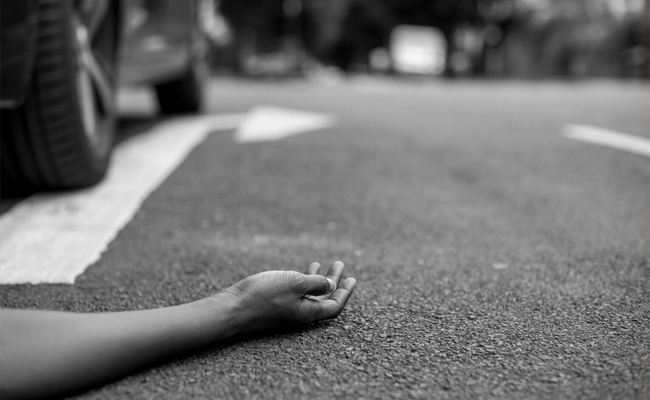
Meerut (UP) (PTI): Three people died under suspicious circumstances after consuming country liquor in Meerut, Uttar Pradesh. Preliminary probe has not confirmed if they died due to the quality of alcohol, officials said on Saturday.
All three vomited and had abdominal pain after drinking the liquor on Friday evening and were rushed to a hospital where they were declared dead. A post-mortem will determine the exact cause of death, they said.
According to the police, Baburam (60), a grocery shop owner, Jitendra (35), who worked at his shop and Ankit alias Daulat (40), purchased liquor in the evening from a government-authorised country liquor outlet and began drinking at the spot.
Shortly after drinking the liquor, the health of all three deteriorated, and they began complaining of vomiting and abdominal pain.
The three were rushed to a private hospital, where doctors declared Jitendra and Ankit dead, while Baburam passed away during treatment.
Additional Director General (ADG) of Police for the Meerut Zone, Bhanu Bhaskar, District Magistrate VK Singh, Senior Superintendent of Police (SSP) Avinash Pandey, and District Excise Officer Pradeep Kumar reached the spot and initiated an investigation.
SSP Avinash Pandey said that preliminary investigations have not confirmed whether the liquor was "toxic or expired". The bottling date was found to be February 11, 2026, and other bottles from the same batch received no such complaints.
He added that a post-mortem will determine the exact cause of death. Personnel from the Health, Forensic, Surveillance, and Intelligence teams have been constituted to investigate the matter.
Following the incident, the family members created a ruckus at the hospital. Police said further action would be taken based on the findings of the investigation.