Abhishek's hundred headlines India's 100-run win over Zimbabwe in 2nd T20I
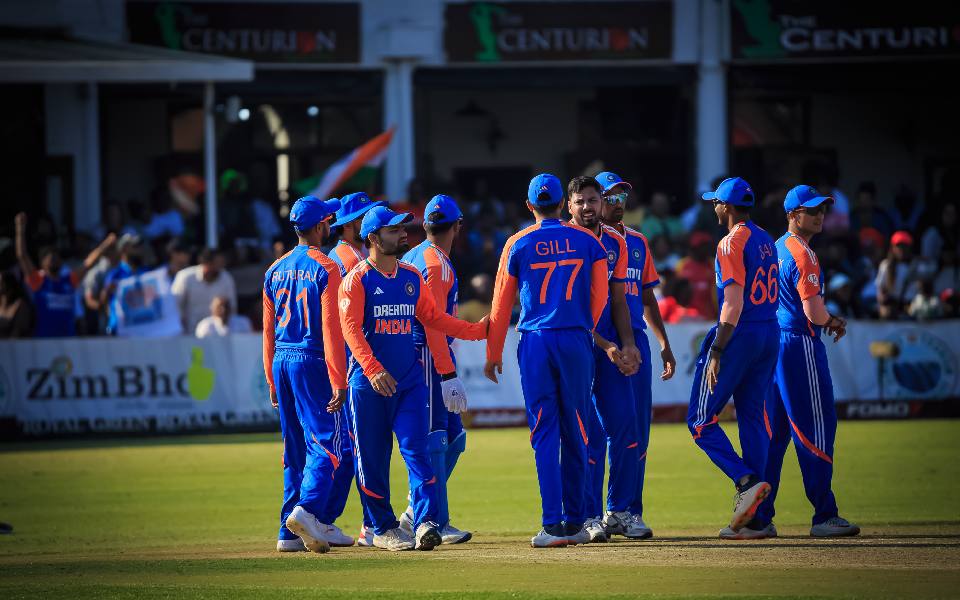
Harare, Jul 7: A blazing hundred by Abhishek Sharma and bowlers’ fine effort led India to a fluent 100-run victory over Zimbabwe in the second T20I here on Sunday.
Abhishek’s 100 off 47 balls (7x4, 8x6) and Ruturaj Gaikwad’s unbeaten 77 (47b, 11x4, 1x6) carried India to an imposing 234 for two.
Zimbabwe ended up at 134 all out without much fight. The five-match series is now poised at 1-1.
For India, pacers Mukesh Kumar (3/37), Avesh Khan (3/15) and leg-spinner Ravi Bishnoi (2/11) led the bowling.
Brief Scores:
India: 234 for 2 in 20 overs (Abhishek Sharma 100, Ruturaj Gaikwad 77 not out, Rinku Singh 48 not out).
Zimbabwe: 134 all out in 18.4 overs (Wessly Madhevere 43, Brian Bennett 26, Luke Jongwe 33; Mukesh Kumar 3/37, Avesh Khan 3/15, Ravi Bishnoi 2/11).
Let the Truth be known. If you read VB and like VB, please be a VB Supporter and Help us deliver the Truth to one and all.
Lebanon appoints new representative for talks with Israel, rejects linkage to Iran
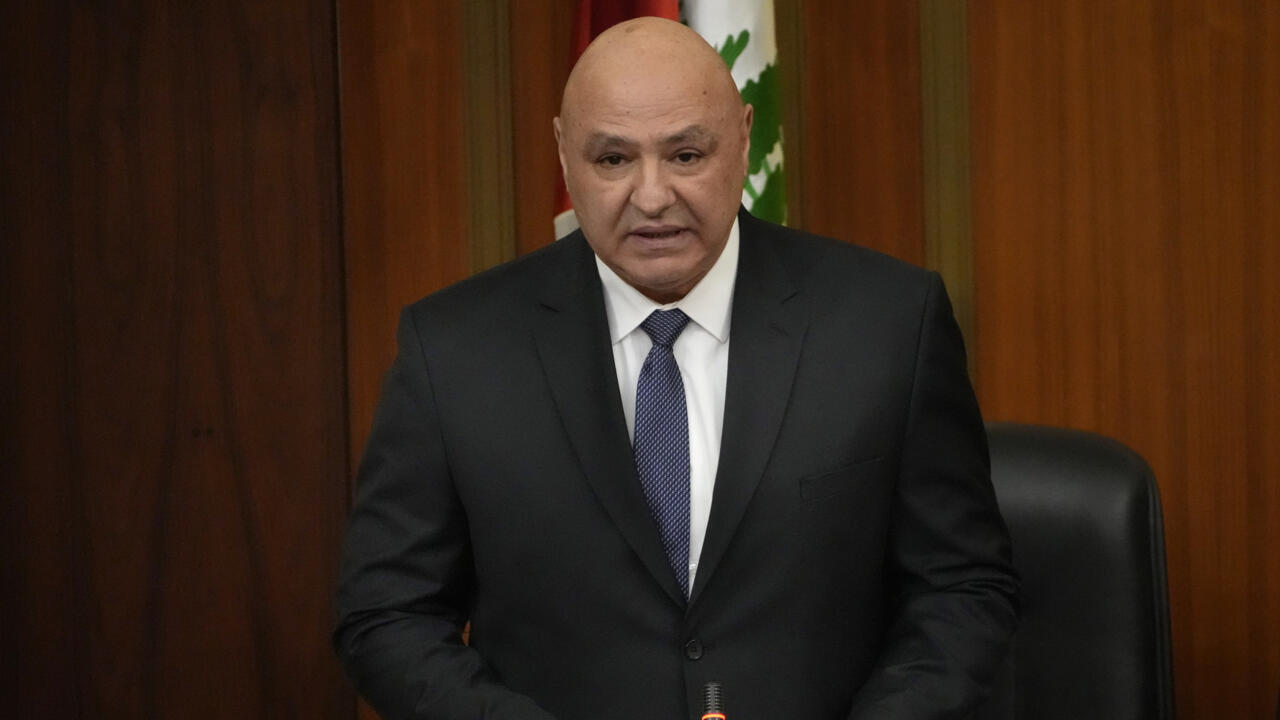
Beirut: Lebanon’s has moved to underline its independent position in ongoing regional developments, amid attempts to link the country to the broader conflict involving Iran, the United States and Israel.
President Joseph Aoun, while announcing the appointment of former US ambassador Simon Karam as Lebanon’s representative in talks with Israel, made it clear that Karam would be the sole representative for Lebanon and that there would be no substitute.
The move comes in response to what the Lebanese officials see as efforts by Iran to tie Lebanon’s situation to the wider regional conflict. Iran had indicated that there would be no ceasefire involving the US, Israel and Iran unless it also included a ceasefire in Lebanon.
Some groups, including Hezbollah and its supporters, had expressed support for linking the situations, citing concerns that the Lebanese government has limited leverage in negotiations with Israel. Lebanon is not formally a party to the conflict, and its army is considered weak.
However, others, including Prime Minister Nawaf Salam, have opposed this approach. They view Iran’s stance as an attempt to influence Lebanon’s internal affairs and see it as undermining the country’s sovereignty.
Officials backing the government’s position say the move is aimed at reaffirming Lebanon’s sovereignty and ensuring that decisions about peace and ceasefire within the country are not dictated externally.
They also see it as a safeguard, so that any breakdown in talks between the US, Israel and Iran does not automatically lead to renewed conflict in Lebanon.