Anti-Adani protesters invade ground during India-Australia match, posters read ‘No $1BN Adani Loan’
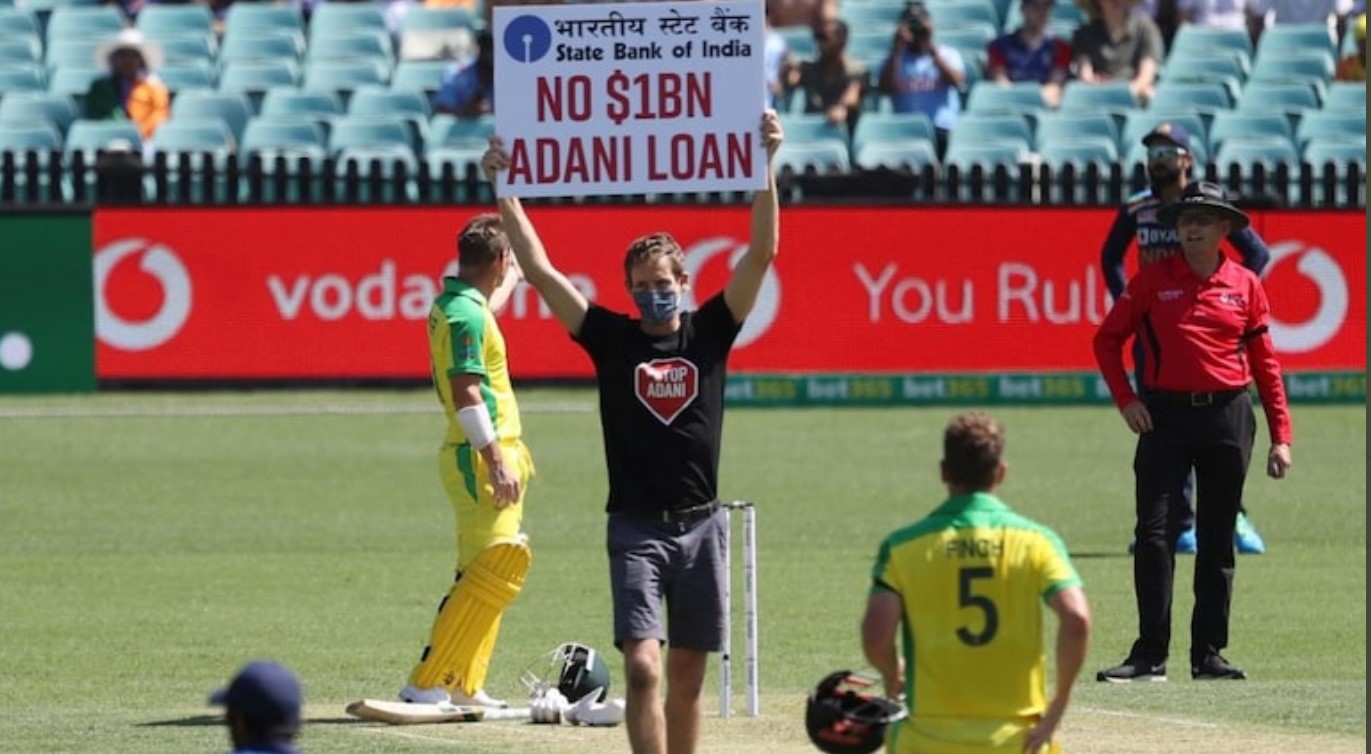
The first ODI between India and Australia was briefly stopped on Friday after a couple of anti-Adani protesters entered the Sydney Cricket Ground carrying placard that read, “No $1 bn Adani Loan.” The protesters in question wore T-shirts that carried the “Stop Adani” logo.
It took quite a while before the security personnel managed to escort the anti-Adani protesters out of the stadium. ‘Stop Adani’ campaigners in Australia have been calling on the State Bank of India not to fund Adani‘s Australian coal mine project believed to be to the tune of $1 billion.
This came hours after the Twitter handle of ‘Stop Adani’ called on its volunteers residing in the vicinity of the SCG to come together ‘THIS FRIDAY for a day of action on @TheOfficialSBI at the opening game of the Aus V India Cricket Tour! “With Indian and Australian media focused on the cricket, this is our chance to put the Adani loan on the agenda,” it tweeted.
Adani Group’s owner, Gautam Adani, is believed to be a close friend of India’s Prime Minister Narendra Modi. His coal mine project in Australia has faced massive protests from Australians for several years now.
Let the Truth be known. If you read VB and like VB, please be a VB Supporter and Help us deliver the Truth to one and all.
Karnataka School Edu Dept prohibits children from being made to dance to obscene songs
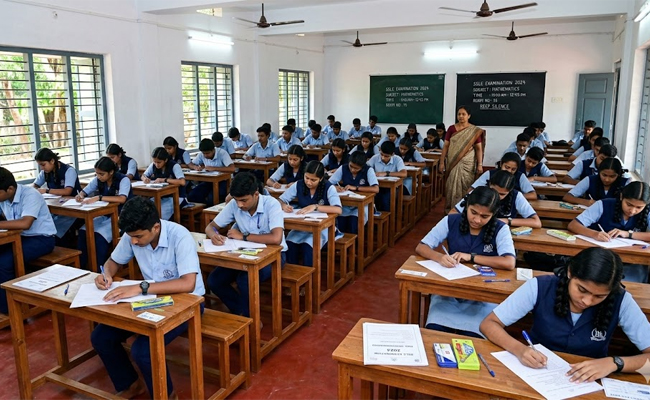
Bengaluru (PTI): The Karnataka School Education Department has issued a circular strictly prohibiting children from being made to dance to obscene songs in educational and cultural programmes.
It stated that such dances would negatively impact students' mental health and moral values. It will create indiscipline and harm the sanctity of education.
"All the Deputy Directors (Administration) of the state's School Education Department have been asked to take strict measures to prevent children or students from dancing to obscene songs in all government, aided and unaided schools in the state," the office of the commissioner of the School Education Department said in a recent circular.
"If it is found that children are being made to dance to obscene songs, appropriate action will be taken against the headmaster or management of such school," it added.
The department also listed certain measures in this regard, which include: strictly prohibiting children from being made to dance to obscene songs during educational and cultural programmes; selecting songs that are inspiring, positive, instilling national pride in children and reflecting the greatness, dignity, values, culture, and morality of the state.
Stating that the school headmaster and management are responsible for selecting songs and dances for cultural programmes, it said, they should also ensure that students wear decent clothes in dance or cultural programmes.