BCB chief in Lahore as ICC, PCB hold talks over India match boycott
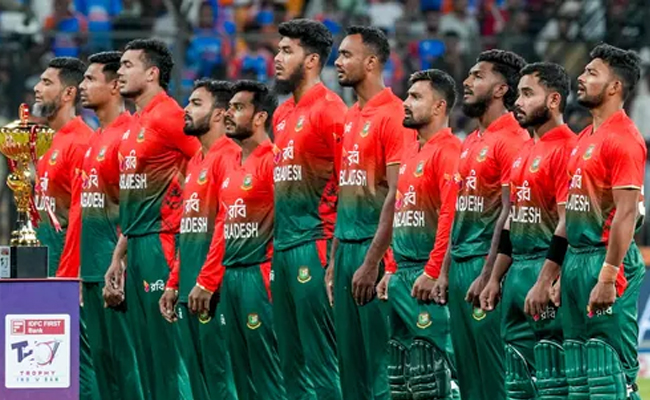
Karachi (PTI): Bangladesh Cricket Board president Amin ul Islam has arrived in Lahore ahead of a virtual meeting involving the PCB and ICC, amid efforts to resolve the standoff over Pakistan’s proposed boycott of its T20 World Cup match against India.
A former Test cricketer, Amin ul Islam met Pakistan Cricket Board chairman Mohsin Naqvi in Lahore and is expected to be part of the virtual discussions aimed at persuading Pakistan to reconsider its decision not to play India in the World T20 Cup clash scheduled for February 15.
ALSO READ: 68-year-old woman killed in Vitla as bike hits her; rider seriously injured
Naqvi has not commented much on the instructions from the government to boycott the India match but a reliable source said the situation has changed after the Sri Lankan cricket board sent an email to the PCB, urging them to end the boycott.
ICC CEO, Sanjog Gupta has also been to Colombo to meet with the President of the Sri Lankan board, Shammi Silva who sent the email to Naqvi to play the India match in the World Cup.
The ICC has already sought an explanation from Pakistan on how the 'Force Majeure' clause can be invoked to justify the team's refusal to play the T20 World Cup match against India after the PCB tried to wriggle out of the situation by putting the onus on its government.
But there is a glimmer of hope now as PCB has approached the ICC for deliberations, as per an ICC Director, who feels that the marquee clash will eventually take place.
The ICC is currently engaging with the board in a structured manner to explore possible resolutions, with a view that interest of the game must supersede unilateral action.
Pakistan decided to boycott the India match in solidarity with Bangladesh, who were replaced by Scotland after they refused to travel to India for the World cup matches citing security concerns.
Let the Truth be known. If you read VB and like VB, please be a VB Supporter and Help us deliver the Truth to one and all.
Rickelton's ton in vain as SRH beat MI by 6 wickets
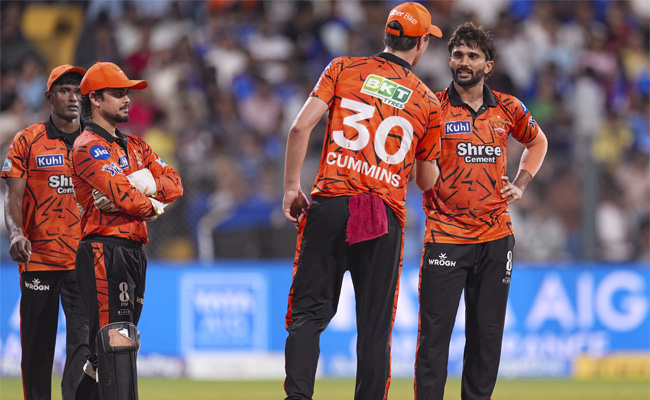
Mumbai (PTI): Ryan Rickelton's whirlwind unbeaten ton was overshadowed by Heinrich Klaasen's unbeaten 65 as Sunrisers Hyderabad defeated Mumbai Indians by six wickets in an IPL match here on Wednesday.
Chasing an imposing 244-run target, Travis Head (76 off 30) and Abhishek Sharma (45 off 24) shared 129 runs for the opening wicket to set the platform for SRH.
Klaasen (65 not out off 30 balls) then displayed his all-round hitting abilities to guide SRH home with the help of Nitish Kumar Reddy (21) and Salil Arora (30 not out off 10) in 18.4 overs.
Earlier, Rickelton's knock powered MI to 243 for five.
MI rode on a 93-run stand between Rickelton (123 not out off 55 balls) and Will Jacks (46 off 22) in 7.1 overs for the opening stand to power the side.
MI skipper Hardik Pandya scored a valuable 31 off 15 balls before being dismissed.
Praful Hinge (2/54), Eshan Malinga (1/29), Sakib Hasan (1/39) and Nitish Kumar Reddy (1/31) were the wicket-takers for SRH.
Brief Scores:
Mumbai Indian: 243 for 5 in 20 overs (Ryan Rickelton 123 not out; Praful Hinge 2/54).
Sunrisers Hyderabad: 249 for 4 in 18.4 overs (Travis Head 76, Heinrich Klaasen 65 not out; AM Ghazanfar 2/51).