Bengaluru beat Kerala in ISL tie
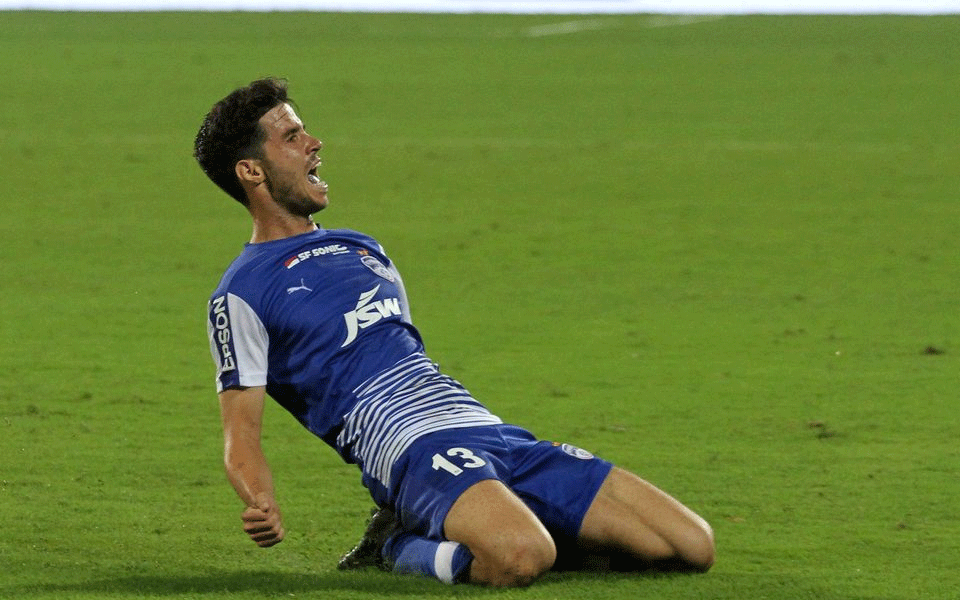
Bengaluru: Miku and Udanta Singh produced two superb late finishes to give Bengaluru FC a 2-0 win over Kerala Blasters in the Indian Super League match at the Sree Kanteerava Stadium here on Thursday.
This means that last year's finalists Kerala failed to make the Indian Super League semifinals this season while debutants Bengaluru finished firmly on top with a mammoth 40 points.
Miku ran onto Daniel Segovia's flick and finished into the far corner an exceptionally controlled shot from a tricky angle.
Udanta then decided to cut in with the time afforded to him and smashed a left-footer past Paul Rachubka as Bengaluru FC scored two stoppage time goals.
Both players could have scored earlier had they not missed glorious chances in the second half.
Udanta failed to hit the target when all it needed was the right connection with his header after a brilliant cross from Toni Dovale.
Then it was Miku who raced through on goal but chose to strike from an awkward angle rather than lay it off for Allwyn George who had made a fine run. The ball whipped past the far post.
Things could have been different had Kerala Blasters taken their chances. CK Vineeth had the chance to test Gurpreet Singh seconds after Miku's initial miss but his shot was blocked as he took too long to pull the trigger.
Sunil Chhetri made his intentions clear as early as the 11th minute when his brilliant strike from 30 yards out just crept past the goal.
Kerala immediately replied with a chance of their own but Milan Singh completely missed his shy at goal from Jackichand Singh's cross.
Jackichand's lively presence was missed after the 25th minute when he had to go off for a groin injury.
Soon enough, his replacement Prasanth K was the recipient of a fine cross from Sandesh Jhingan but failed to work the goalkeeper.
It was a cagey half which ended with Blasters keeper Paul Rachubka putting his body on the line to stop Nishu Kumar scoring. Kumar was through on goal and only a timely intervention stopped him.
Chhetri had another attempt near the hour mark but couldn't direct it into the net and the second half was more about when the Blasters would start throwing men forward in numbers.
When they eventually attacked Bengaluru, the home side tried to exploit the spaces left behind. They started pumping crosses into the box with Dovale and Dimas Delgado afforded spaces out wide.
Kerala resisted but finally gave way when Miku scored a minute after four minutes of stoppage time were added. And then Udanta added to their misery.
Let the Truth be known. If you read VB and like VB, please be a VB Supporter and Help us deliver the Truth to one and all.
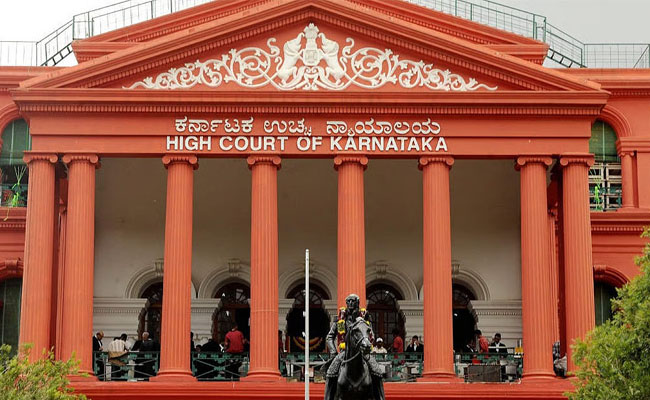
Allahabad HC orders probe into 'reinstatement' of teacher in UP's Barabanki
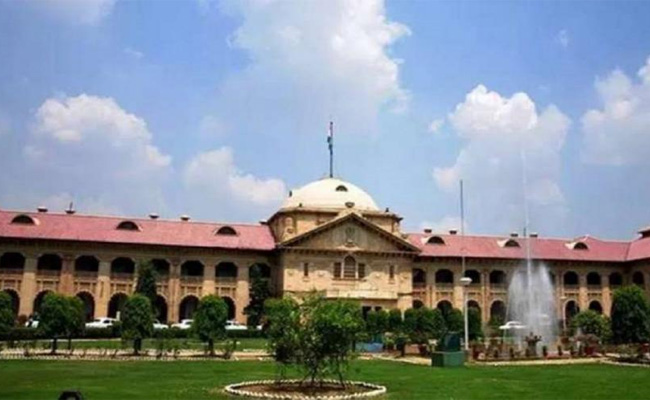
Lucknow (PTI): The Lucknow Bench of the Allahabad High Court on Friday ordered a probe by the special task force (STF) into alleged irregularities in the rejoining of a teacher at City Intermediate College in Barabanki, observing that the reinstatement appeared to be prima facie illegal.
The court also directed the recovery of the salary paid to the teacher during the disputed period.
A bench of Justice Rajeev Singh passed the order on a petition filed by the college management committee. The court expressed doubts over the roles of the District Inspector of Schools (DIOS), Barabanki, the college principal and the teacher concerned and hence, directed a detailed inquiry into the matter.
Taking note of alleged manipulation of records and misleading submissions, the court ordered the immediate transfer of the Barabanki DIOS to ensure a fair probe. It also directed the initiation of disciplinary proceedings against the then joint director of education of the Ayodhya division.
In its order, the court found that the teacher, Abhay Kumar, was initially appointed as an assistant teacher in 2018 but joined an Eklavya Model Residential School in Chhattisgarh as a lecturer in June 2024 without obtaining permission from the management. His subsequent request to retain the lien was rejected.
Despite this, he was allowed to rejoin the Barabanki College in September 2025 on the directions of the joint director of education and the DIOS, and was even paid the salary for October 2025. The court termed the rejoining "wholly illegal" and lacking any legal basis.
The bench also expressed concern over lapses in communication within the education department and directed the Uttar Pradesh chief secretary to ensure that official orders are communicated through email and WhatsApp as well, to prevent disputes.
The matter is next listed for hearing on May 28 when a compliance report is sought.