COVID-19: Two players withdrawn from India Open
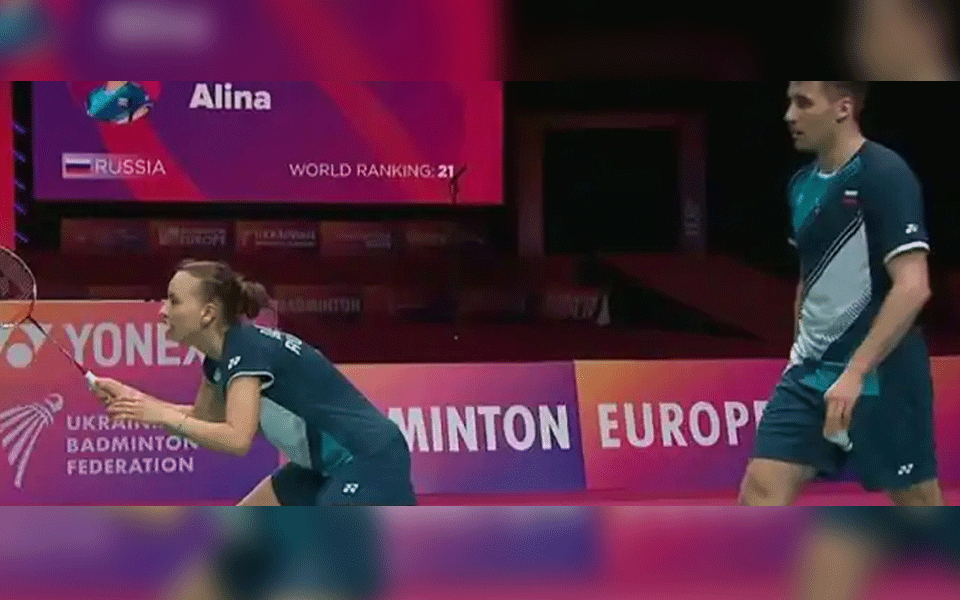
New Delhi, Jan 15 (PTI) The COVID-19 pandemic continued to take a toll on the Yonex-Sunrise India Open badminton tournament with two players being withdrawn from the main draw ahead of their mixed doubles semifinal clash here on Saturday.
Second seeded Russian mixed doubles player Rodion Alimov tested positive for the virus and was withdrawn from the USD 400,000 tournament.
His mixed doubles partner Alina Davletova was also withdrawn after being identified as a close contact.
Indonesian pair of Yong Kai Terry Hee and Wei Han Tan thus made it to the mixed doubles final after getting a walkover.
"Badminton World Federation (BWF) can confirm that one player from the current draw has tested positive for COVID-19 and has been withdrawn from the YONEX-SUNRISE India Open 2022," the world's governing body BWF said in a statement.
"The player returned a positive result to a mandatory RT-PCR test conducted on Friday. His doubles partner has been identified as a close contact and has also been withdrawn from the tournament. Their opponents will be given a walkover to the final."
On Wednesday, as many as seven Indian shuttlers, including reigning world championship silver medallist Kidambi Srikanth, were withdrawn from the event after testing positive for the virus.
Besides Srikanth, the other players withdrawn were Ashwini Ponnappa, Ritika Rahul Thkar, Treesa Jolly, Mithun Manjunath, Simran Aman Singh and Khushi Gupta.
Earlier, India's B Sai Praneeth, the 2019 world championship bronze medallist, double specialists Manu Attri and Dhruv Rawat had tested positive and had pulled out before the start of the tournament.
The entire England badminton contingent had also withdrawn ahead of the Super 500 event after the country's doubles specialist Sean Vendy and coach Nathan Robertson tested positive for the virus.
Organised by the Badminton Association of India, the 2022 edition of India Open is being held behind closed doors at the Indira Gandhi Stadium's KD Jadhav Indoor Hall.
As per the COVID-19 protocols, all the participating players are being tested everyday at the hotel and outside the stadium.
Let the Truth be known. If you read VB and like VB, please be a VB Supporter and Help us deliver the Truth to one and all.
Woman's decomposed body found at rented flat in Bengaluru
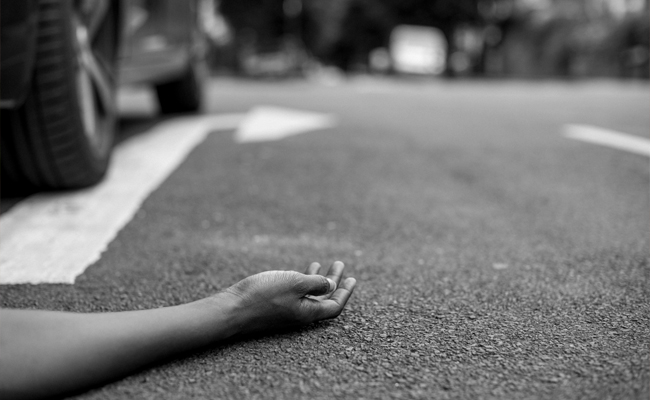
Bengaluru (PTI): The body of a 34-year-old woman was found in a decomposed condition at her rented flat in Bengaluru, police said on Tuesday.
The deceased was identified as Pooja Dutta, a native of Dhanbad in Jharkhand, who was employed with a private company here, they said.
The incident in Adugodi came to light on Monday after neighbours alerted police about a foul smell emanating from her flat, police added.
Police said a team reached the spot, broke open the door and found Dutta's body in a nude and decomposed state, lying in a pool of blood. Preliminary suspicion is that the death may have occurred two to three days earlier, they said.
According to police, no death note was recovered from the spot, though torn papers were found scattered inside the house, prompting suspicion that she may have died by suicide after locking the door from inside.
The body has been sent for post-mortem examination to ascertain the exact cause of death. Once the autopsy report is received, it will be confirmed if it was a suicide or a murder, a senior police officer said, adding that all angles are being probed.
According to the landlady, Dutta had been living in the rented flat for the past three years and was last seen on April 23 when she went out to buy groceries.
The Adugodi police have registered a case of unnatural death, and further investigation is underway.