Delhi Capitals skipper Shreyas Iyer fined Rs 12 lakh for slow over-rate

Abu Dhabi: Delhi Capitals skipper Shreyas Iyer has been slapped with a fine of Rs 12 lakh after his team maintained a slow over-rate against Sunrisers Hyderabad in their Indian Premier League (IPL) match here.
Given that this was his first offence of the season, Iyer was fined Rs 12 lakh under the IPL's Code of Conduct relating to minimum over-rate offence.
"Delhi Capitals Captain Shreyas Iyer has been fined after his team maintained a slow over-rate during their Dream11 Indian Premier League (IPL) 2020 match against Sunrisers Hyderabad in Abu Dhabi on 29 September 2020," an IPL release stated.
"As it was his team's first offence of the season under the IPL's Code of Conduct relating to minimum over-rate offences, Mr. Iyer was fined Rs 12 lakh," it added.
Last week, Royal Challengers Bangalore captain Virat Kohli was found guilty of his team maintaining a slow-over rate against Kings XI Punjab and was also fined Rs 12 lakh.
Iyer suffered his first defeat of the season as Delhi lost to Sunrisers by 15 runs at the Shaikh Zayed Stadium on Tuesday night.
Opener Jonny Bairstow's sublime fifty was complemented by a stellar bowling effort from spinner Rashid Khan as Sunrisers outplayed Delhi to open their account in the 13th edition of the league.
Chasing 163 to maintain a clean slate, Delhi were slow off the blocks and struggled to force the pace for a major part of their innings.
Let the Truth be known. If you read VB and like VB, please be a VB Supporter and Help us deliver the Truth to one and all.
Karnataka School Edu Dept prohibits children from being made to dance to obscene songs
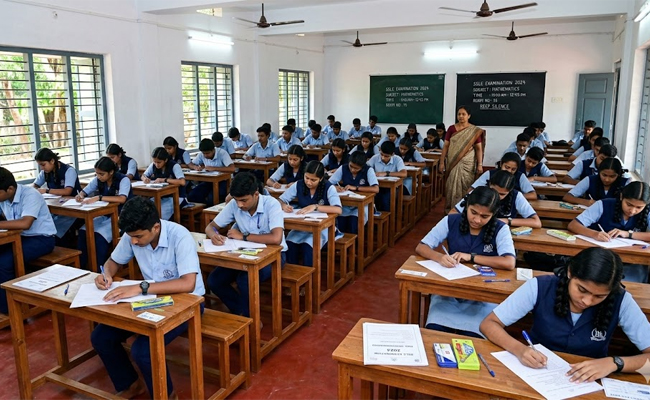
Bengaluru (PTI): The Karnataka School Education Department has issued a circular strictly prohibiting children from being made to dance to obscene songs in educational and cultural programmes.
It stated that such dances would negatively impact students' mental health and moral values. It will create indiscipline and harm the sanctity of education.
"All the Deputy Directors (Administration) of the state's School Education Department have been asked to take strict measures to prevent children or students from dancing to obscene songs in all government, aided and unaided schools in the state," the office of the commissioner of the School Education Department said in a recent circular.
"If it is found that children are being made to dance to obscene songs, appropriate action will be taken against the headmaster or management of such school," it added.
The department also listed certain measures in this regard, which include: strictly prohibiting children from being made to dance to obscene songs during educational and cultural programmes; selecting songs that are inspiring, positive, instilling national pride in children and reflecting the greatness, dignity, values, culture, and morality of the state.
Stating that the school headmaster and management are responsible for selecting songs and dances for cultural programmes, it said, they should also ensure that students wear decent clothes in dance or cultural programmes.