Devdutt Padikkal: Overcoming health complications to land a dream Test debut
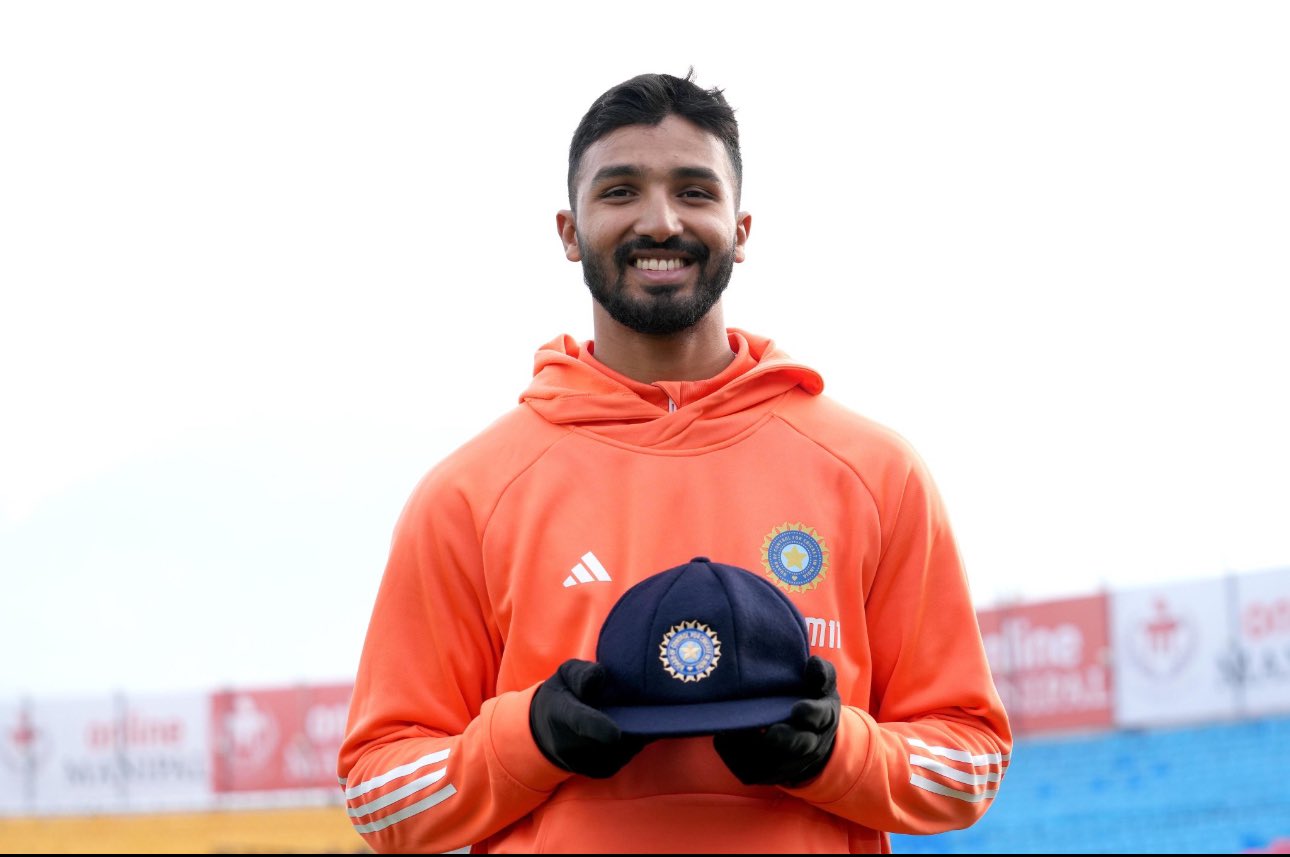
Bengaluru (PTI): Devdutt Padikkal beamed broadly while receiving his India Test cap from Ravichandran Ashwin on Thursday but the happy exterior masked the struggles the 23-year-old had to go through over the last two years to reach this dream point.
After making his India debut in 2021 during a T20I against Sri Lanka, Devdutt's career graph did not go up as expected due to a COVID-19 infection and a stomach-related health complication.
"Those two years (2021 to early 2023), he was struggling to stay fit and healthy. He suffered from loss of weight too. It was a constant stomach bug that was troubling him.
"We kept talking to each other over phone, and incidentally, I was also having the same condition and we were consulting the same doctor in the Jain Hospital without each other knowing," Irfan Sait, the founder of Karnataka Institute of Cricket (KIOC), told PTI.
"Mohammed Naseerudden, another coach here, too has been close to him and kept in touch with him during those low-mood phases."
However, Devdutt has this in-built streak of determination to hurdle over obstacles.
"I have known Devdutt from the age of 11 when he relocated to Bangalore from Hyderabad to pursue a career in cricket. He was a determined kid and the illness did not change anything.
"He worked really hard on his fitness and diet ahead of the 2023 season because he wanted to get back to the place where he was in 2020-21," he said.
The hard work did not go in vain. The graceful left-hander had a fine 2023-24 season for Karnataka across the formats.
He opened the season scoring 119 runs in five T20s while striking at 118 in the Syed Mushtaq Ali Trophy but bettered those stats in the ensuing Vijay Hazare Trophy.
Devdutt was the highest run-getter for Karnataka with 465 runs from five matches with two hundreds and three fifties. He averaged a mind-boggling 155 in that tournament and struck runs at 120.46.
But he slipped into his real self in the Ranji Trophy. Devdutt could play only four matches, courtesy his national duties, but emerged as the leading run-scorer for the state with 556 runs.
He averaged 92.66 and registered three hundreds, including a season-topping 193 against Punjab.
But his 105 for India A against England Lions at Ahmedabad and 151 against Tamil Nadu at Chennai turned the tide for him, as the latter innings was seen in person by chief selector Ajit Agarkar.
"Once KL Rahul did not pass the fitness test (ahead of the third Test against England), India needed a replacement.
"Rahul Dravid and Ajit Agarkar held a brief discussion and the latter was mighty impressed with Devdutt after that Chennai innings and recommended his name," said a BCCI official on conditions of anonymity.
Sait was confident that Devdutt would exploit this opening to the hilt.
"There is absolutely nothing in his life apart from cricket. I know him as a child and he has been a topper in the U14, U16 and U19 levels. He worked very hard to add batting skills after starting as an off-spinner.
"Now, the way he battled past his health complications is a tribute to his character and determination. There would not have been a happier person than me when I got a message from him about his impending first Test," he added.
Other debutants like Dhurv Jurel, Akash Deep and Sarfaraz Khan have had their moments in this series against England. Now, it's the turn of Devdutt to add a page to that flipbook.
Let the Truth be known. If you read VB and like VB, please be a VB Supporter and Help us deliver the Truth to one and all.
Shaheen Group announces free education for SSLC toppers scoring 95% and above
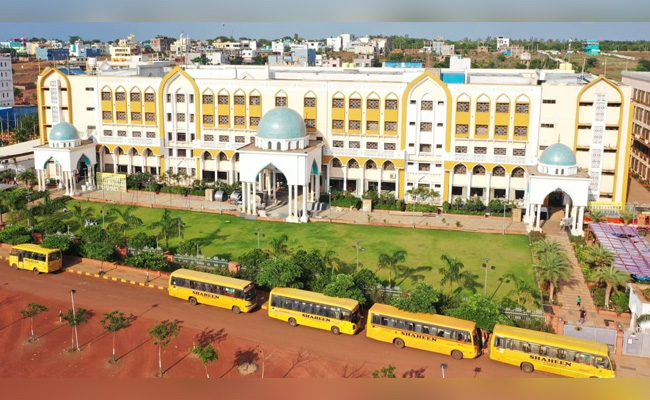
Bidar: Shaheen Group of Institutions has announced free education for students across Karnataka who have secured 95 per cent and above marks in the SSLC examinations.
The announcement was made by Dr. Abdul Qadeer, Chairman of the institution, as part of an initiative aimed at encouraging academic excellence and supporting deserving students.
According to the institution, eligible students from across the state will be provided free education for both First Year and Second Year PUC at Shaheen institutions.
The initiative is expected to benefit a large number of meritorious students by helping them continue higher education without financial burden.
In addition, Dr. Abdul Qadeer announced special scholarships for Kannada medium students and those studying in government schools, recognising their efforts and encouraging them to pursue further studies.
Speaking on the occasion, he said the initiative reflects Shaheen’s continued commitment to inclusive education and merit-based support, ensuring that talented students from all backgrounds receive opportunities to progress.