Ex-BCCI panel chief Neeraj Kumar's book talks of 'malpractices' in Indian cricket
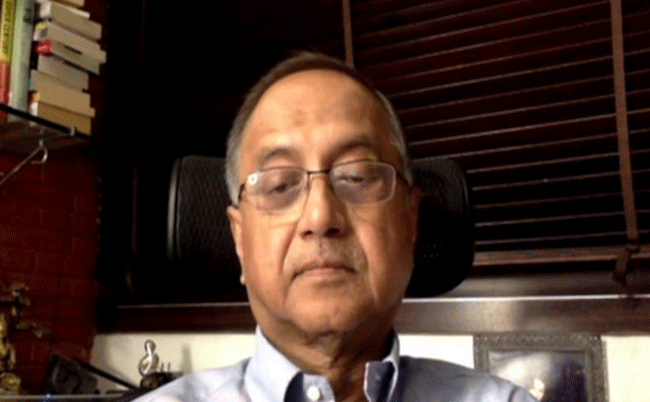
New Delhi (PTI): Former IPS officer Neeraj Kumar, who strayed into the world of cricket when he was appointed head of BCCI's Anti-Corruption Unit (ACU) in 2015, says during his stint, he realised fixing is the proverbial tip of the iceberg of corruption in cricket and a "minuscule percentage of the large-scale chicanery that cricket administrators indulge in".
Published by Juggernaut Books, "A Cop in Cricket" is an account of Kumar's personal trials as ACU chief (June 1, 2015 - May 31, 2018) at the BCCI and his "witness statement of the three critical years of the national cricket body caught in the throes of change".
Kumar says in his book, he has attempted to give the readers an "overview of the malpractices that take place in the name of cricket in our country".
At the same time, he says, having witnessed the goings-on in the BCCI in the wake of the Supreme Court interventions following the Mudgal Committee and Lodha Committee reports, "I am also able to write about the 'agents of change', appointed by the Supreme Court to clean up the Augean stables that is the BCCI".
"In the three years that I spent at the BCCI, I realised that fixing was the proverbial tip of the huge iceberg of corruption in cricket. Fixing is, in fact, a minuscule percentage of the large-scale chicanery that cricket administrators indulge in," he writes.
"The handsome revenues earned by cricket in India - thanks to the IPL - are parcelled off to state cricket associations, where the money is mostly misappropriated. The 2015 Central Bureau of Investigation (CBI) case against the top bosses of the Jammu & Kashmir Cricket Association (JKCA) for embezzlement of crores of rupees given to them by the BCCI is a case in point," Kumar claims.
He also goes on to allege that many "unsavoury things also happen at the grassroots level" during team selections. "Those happenings remain a matter between the selector and the aspiring cricketer or his family."
He claims during his tenure at the BCCI, his unit had to look into several such complaints, including a few where sexual favours were sought from young cricketers.
"We were frequently approached by players and their guardians complaining that they were cheated of lakhs of rupees by coaches or officials who promised them a place in an IPL or Ranji team and then disappeared, leaving them high and dry," Kumar writes.
In the book, Kumar also mentions that Vinod Rai, head of the Committee of Administrators (CoA) of the BCCI appointed by the Supreme Court to take over the governance of the BCCI in 2017, and the then BCCI CEO Rahul Johri enjoyed a 'father-son' relationship, where the "father didn't wish to hear anything against his prodigal son".
Kumar claims he brought several issues connected with Johri to the notice of Rai.
"He always gave me a patient hearing and made me feel he was on my side and would discipline Rahul Johri suitably. But I noticed he did nothing of the sort," he writes.
"Looking back at the sequence of events, I continue to be appalled and outraged. The defaulting CEO had conspired with the chief administrator to embarrass me and pass on the blame for his own misdoings to me in a meeting and had shared his plans with a journalist.
"Even more hurtful was that Rai pretended to be on my side only a couple of hours earlier and conducted himself in the meeting along the lines his CEO had scripted for him, even when he knew all the facts," he says.
Kumar also writes that with "Anurag Thakur, who had a tight leash on Johri, gone, the CEO gradually came into his own. Johri, who had political clout with a powerful central minister backing him, became the blue-eyed boy of Rai".
According to the author, the main focus of cricket administrators in India should be to ensure that help - monetary or otherwise - for struggling players at the lower level needing aid reaches only the deserving.
Kumar also writes that Indian fans really get a raw deal.
"There is hardly a stadium that can boast of a world-class spectating facility with clean toilets, availability of hygienic food and refreshments, clean drinking water, parking facilities, smooth accessibility, firefighting equipment, and so on. End of the day, it is on account of the fans that the Board generates enormous revenue, but sadly nobody cares for them.
"The so-called cricket administrators, most of whom have never held a cricket ball or bat in their lives, end up as the main beneficiaries of the monies earned by cricket in this country, at the expense of the fans of the game and the players," he says.
On legalising betting, Kumar writes: "I have always had reservations about this point of view. First, no political party in power would risk legalising betting in sports. It would be widely perceived as giving legal sanction to gambling, which is otherwise a criminal offence.
"But the political fallout of such a move would be substantial and, therefore, it is unlikely to happen any time soon. More importantly, even if the government legalises betting, how many bettors would come forward to place their wagers using 'white money'?"
Let the Truth be known. If you read VB and like VB, please be a VB Supporter and Help us deliver the Truth to one and all.
Trump says he ‘hasn’t even thought about’ continuing Iran ceasefire
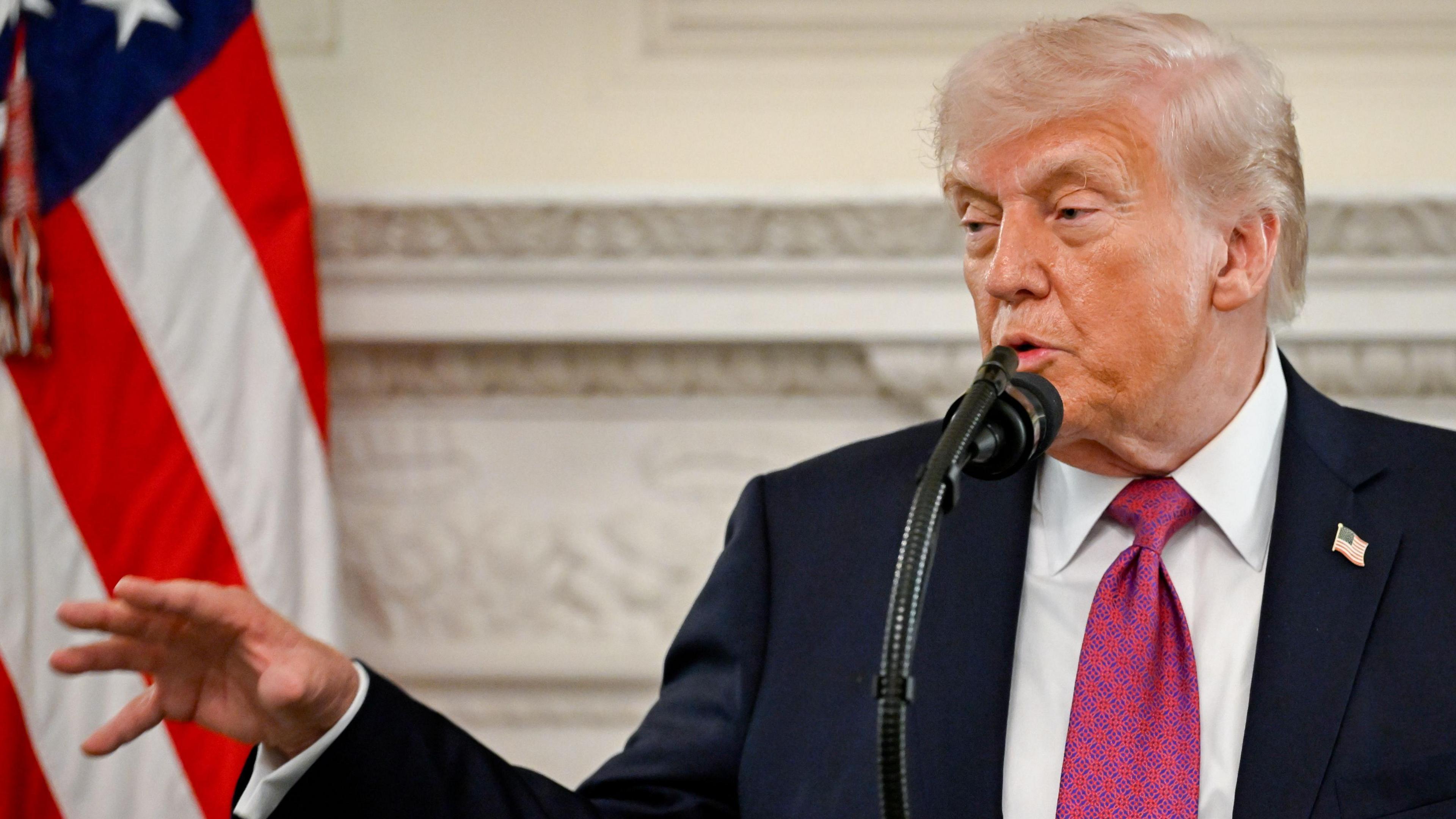
Washington: US President Donald Trump has said he has not yet considered whether he would continue the ceasefire involving Iran, while also claiming the United States holds the advantage in negotiations.
Speaking to reporters, Trump said he was prepared to make a deal with “whoever is running the show” in Iran.
“They are fighting with each other, there’s tremendous infighting. They’re probably fighting for leadership in many cases. I think they’re fighting not to be leader because we knocked out two levels of leaders,” he said.
Trump added, “When they want they can call me. We have all the cards, we’ve won everything.”
Referring to ongoing negotiations, he said, “They gave us a paper that should’ve been better. And, interestingly, immediately when I cancelled it [envoy trip to Pakistan], within 10 minutes we got a new paper that was much better.”
“We talked about they will not have a nuclear weapon, very simple … They offered a lot, but not enough,” he added.
When asked whether he would continue the ceasefire, Trump replied, “I haven’t even thought about it.”
The remarks come as uncertainty remains over the future of the temporary truce and broader negotiations between Washington and Tehran.