Farmer's son Akash Malik claims India's maiden archery silver at Youth Olympic Games
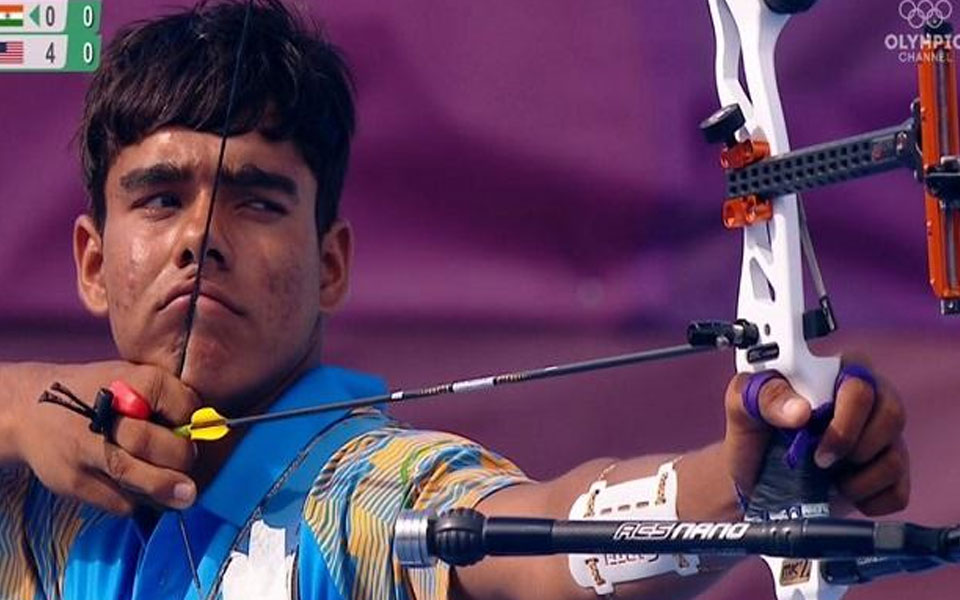
Buenos Aires, Oct 18: Akash Malik became India's first silver-medallist in archery at the Youth Olympic Games, providing a fitting finale to the country's best-ever campaign at the marquee event here.
The 15-year-old son of a farmer lost a one-sided final to Trenton Cowles of the USA 0-6 as India concluded with three gold, nine silver, and one bronze at the event that was launched in 2010.
Seeded fifth after qualification, the Haryana-boy was inconsistent in the summit clash against the 15th seed Cowles, who only shot in 10s and 9s to wrap it up easily.
In the three-setter, both the archers shot four perfect 10s, but Akash's two wayward 6s in the first and the third set proved to be the decisive factor.
"I have trained in the wind, but here it was too much," said Akash.
"I feel good but I lost the gold medal," added the school-boy after bettering Atul Verma's feat of a bronze at the Nanjing edition of the Games in 2014.
Akash took up archery six years ago after Manjeet Malik, a physical-trainer-turned-archery-coach, picked him during a trial.
"He was very calm and composed and I thought he could shoot arrows steadily. He now shoots with confidence. It was raining as well when the final started," the coach told PTI.
In 2014, Akash was part of the recurve boys team which won a gold medal at the mini national (under-14) archery championship in Vijayawada.
Akash went on to clinch a gold medal in the Youth Olympics qualifying event last year.
He also won a gold medal at Asia Cup Stage-I, two bronze in Asia Cup Stage-II and a silver and a bronze in the South Asian championship, in the last one year.
"It's indeed a proud moment for me and all the hard work is now paying off," Malik, who has about 80 students at his private academy, said.
Akash is currently enrolled by the Olympic Gold Quest and trains under South Korean coach Kim Hagyong at the Army Sports Institute in Pune.
Making a solid start to the final, Akash started off with a 10 but then he shot a 6 in his second arrow and concluded the first set with another perfect 10.
The American, on the other hand, remained consistent with scores of 10, 9, 9 to take the first set 28-26.
Stepping up his game, Cowles shot two 10s and a 9 in the second set to win it 29-27.
Under pressure in the third set, Akash shot another six that ruined his chances of a gold medal. He finished with two 10s but Cowles remained steady and sealed the issue 28-26 in the third set.
Earlier, Akash finished in the last eight of the mixed international team event partnering Turkey's Selin Satir. The duo lost in the quarter-finals to Thailand's Aitthiwat Soithong and Argentina's Agustina Sofia Giannasio.
Let the Truth be known. If you read VB and like VB, please be a VB Supporter and Help us deliver the Truth to one and all.
Mumbai family deaths: FDA finds no watermelon vendor in area to check for affected stock
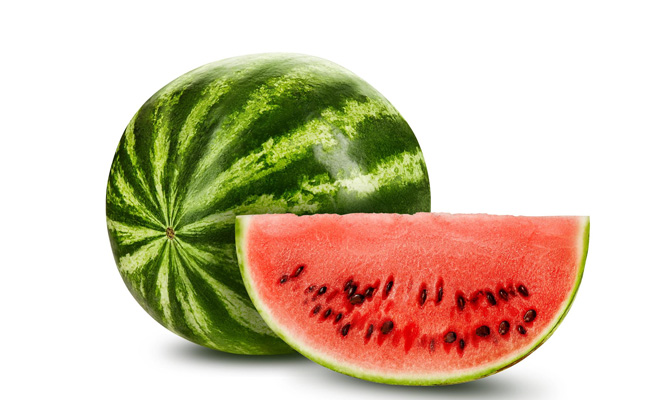
Mumbai (PTI): The Food and Drug Administration team probing the cause of death of four members of a family in south Mumbai's JJ Marg area have not been able to zero in on any watermelon vendor in the vicinity to check if the fruit had a role to play in the ill-fated incident, an official said on Thursday.
The Dokadia family, residents of Ghari Mohalla on Ismail Kurte Road, had hosted a get-together of relatives on the night of April 25. At around 1 am, hours after the guests had left, Abdullah Dokadia (40), his wife Nasreen (35), and daughters Ayesha (16) and Zaineb (13) ate pieces of a watermelon.
They suffered severe bouts of vomiting and diarrhoea in the early hours of April 26 and were rushed to a local hospital before being referred to the government-run J J Hospital where all four died during treatment.
"The FDA team visited the house of Dokadia and collected samples of chicken pulao and watermelon pieces. After two days, the leftover chicken pulao had developed fungus growth. The team also tried to locate watermelon vendors to check for any affected lots," he said.
But no vendors were found in the area for the past two days, preventing the FDA team from getting samples, the official added.
The FDA has requested the Forensic Science Laboratory (FSL) to share the report on the food samples collected by them, he added.
A senior Mumbai police official said the force is waiting for FSL reports in the case, adding that questions on presence of sedatives etc in the fruit could be answered only then.
The statements of the kin of the deceased are being recorded to ascertain if it is a case of mass suicide, and it is being checked if the Dokadia family were in debt or distressed over some issue, the police official said.