Find a structured way of T20 take over: Brian Lara urges ICC to save Test cricket
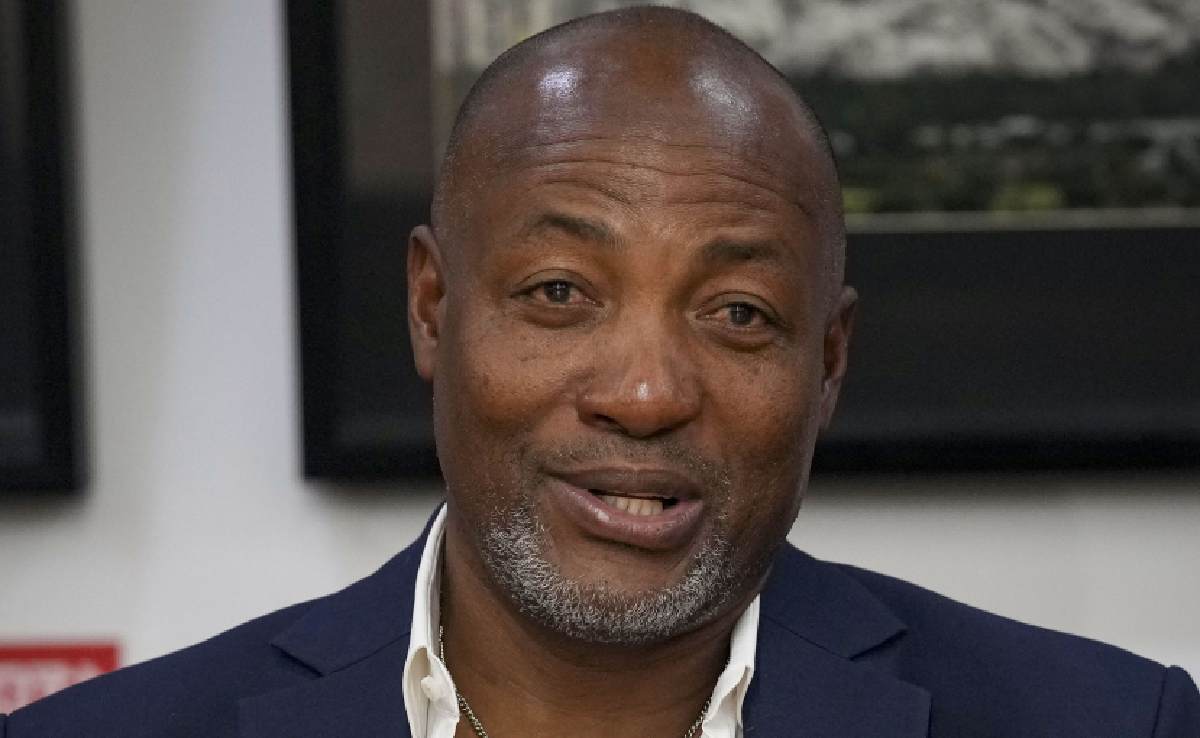
New Delhi, May 8: Admitting that T20 leagues have devoured a lot of Test cricket’s space, West Indian legend Brian Lara has appealed to the ICC to step in to give a structure to the unrelenting invasion of the franchise-based tournaments.
In the latest instance that fuelled questions over the relevance of Tests, South Africa recently sent an under-strength squad to New Zealand as their first-choice players were involved in the SA20 at home.
“I think ICC (should) put their head together and find a way where franchise cricket takes over, but in a much more structured way and not in terms of the free fall that is going on at the moment,” Lara said in an interaction with PTI editors at its headquarters which was facilitated by Star Sports where he is a commentator and expert for the ongoing IPL.
“I hope the astute thinkers could find a way to make sure that it (Test) remains relevant. I like the Test Championship and I think it is important to make sure that the game remains relevant.”
So, is cricket now taking the football route where leagues take precedence over international assignments?
While Lara agreed in principle to the point, he found differences too in the two models.
“Well, yes (cricket following the football way). Let's just look at football. For instance, other than the big cups – European cups, World Cup, South American cups – they may have a few friendlies. So, Barcelona, Manchester United, Manchester City, they have their footballers generally for 11 months of the year.
“That seems to be working for football. It's taken off the burden as well for each country to be finding ways of making money by having football matches,” Lara began.
But Lara said the wealth being accumulated among three big nations – India, Australia and England – presented a rather different scenario in cricket.
“The West Indies now is in a situation where our gate receipts can't make us survive. So, we are very thankful whenever India tours the West Indies. It's a lot of TV rights money passing around which is great.
“So, it's hard to see outside of the big three – Australia, England and India – how countries are going to survive when economically it's tough for them.”
From a cricketing perspective, the elegant left-hander said teams often not having their best players available also make things tough for teams outside the big three.
Lara might have had someone like Trent Boult in mind as the pacer recently turned down New Zealand central contract to become a T20 freelancer.
“Secondly, they (teams) don't have their best players playing because their best players are making a living for their family elsewhere (leagues),” he added.
In March this year, BCCI had introduced a Test Cricket Incentive Scheme, an additional reward structure on top of the existing match fee, to ensure parity with match fees in other formats and leagues.
Lara welcomed the step but added that bringing spectators to the ground was equally paramount to sustain the game and the sponsors’ interest.
“Incentivizing, or what BCCI is doing because they have the money, is one aspect of it. Of course, remuneration to the players is great to keep them interested in the game.
“But when you're walking to a Test match and there's nobody at that Test match, then it's not encouraging. Try to get them (crowd) back into the ground,” said Lara.
The Trinidadian said having a stadium packed to the rafters is important from the sponsors’ view as well.
“I'm almost sure you’ve experienced it in India, where a sponsor preferred to spend his money on three hours of cricket instead of five days of cricket. ‘Hey, you have five days to promote your product.’
“The corporate person will say: ‘But there's nobody to promote it to. Give me three hours. I will pay even more money.’ So, I think getting the crowd back is also something that should be discussed,” he explained.
While Lara has little doubt that the T20 version caters to spectators’ demands, he said the modern-day viewers should be educated about the unique ebbs and flow of five-day cricket.
“Well, I hope it hasn't (Test not losing relevance). The shorter version of the game is taken over and it is entertainment and that's what people look for. We haven't educated the present-day public about the importance of batting a session and not losing a wicket."
Let the Truth be known. If you read VB and like VB, please be a VB Supporter and Help us deliver the Truth to one and all.
No unannounced load shedding in Kerala, outages due to overload, says Minister
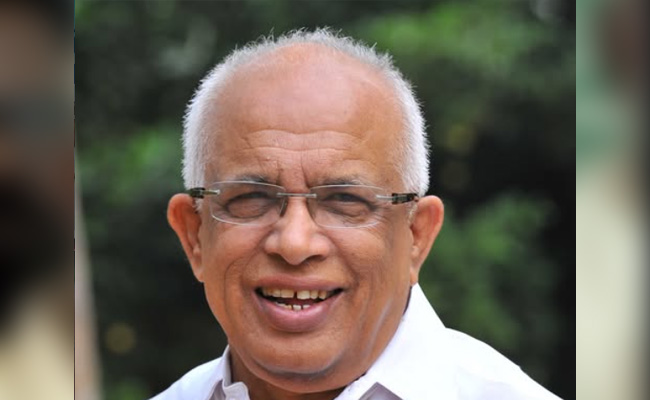
Palakkad (PTI): Kerala Electricity Minister K Krishnankutty on Saturday said there was no unannounced load shedding in the state, attributing recent power interruptions to temporary overload caused by high consumption.
Clarifying concerns raised from various parts of the state, the minister said the disruptions are not deliberate but occur when demand peaks, particularly between 10 pm and 11 pm.
"It is not being done intentionally. Power consumption has risen sharply, and when there is excessive and indiscriminate usage, the system experiences overload, leading to natural supply interruptions," he told reporters here.
His remarks come amid complaints that several areas have been witnessing frequent power cuts, often lasting around 15 minutes and occurring multiple times during the night.
Krishnankutty said the state's power demand has crossed 6,195 MW, putting pressure on the supply system. He added that around 70 per cent of Kerala's electricity is procured from outside, and existing power banking arrangements have been exhausted.
"We have approached the Regulatory Commission seeking permission to purchase more power. However, this will come at a higher cost," he said.
The minister said the government is trying to avoid increasing electricity tariffs and urged consumers to exercise restraint in usage to help manage the situation.
Responding to opposition criticism over the ruling LDF's earlier claims of a decade without power cuts, he said the current situation is not unique to Kerala.
A power crisis is emerging across the country, he said, and sarcastically asked the Opposition to take note of the role of natural factors in this.
Krishnankutty expressed confidence that the situation would improve within two days, while cautioning that long-term energy security would depend on enhancing in-state power generation.
He also warned that future generations could face serious challenges if adequate electricity production capacity is not developed within Kerala.