First and final warning for 2020, don't blame me later: Ashwin after sparing Finch
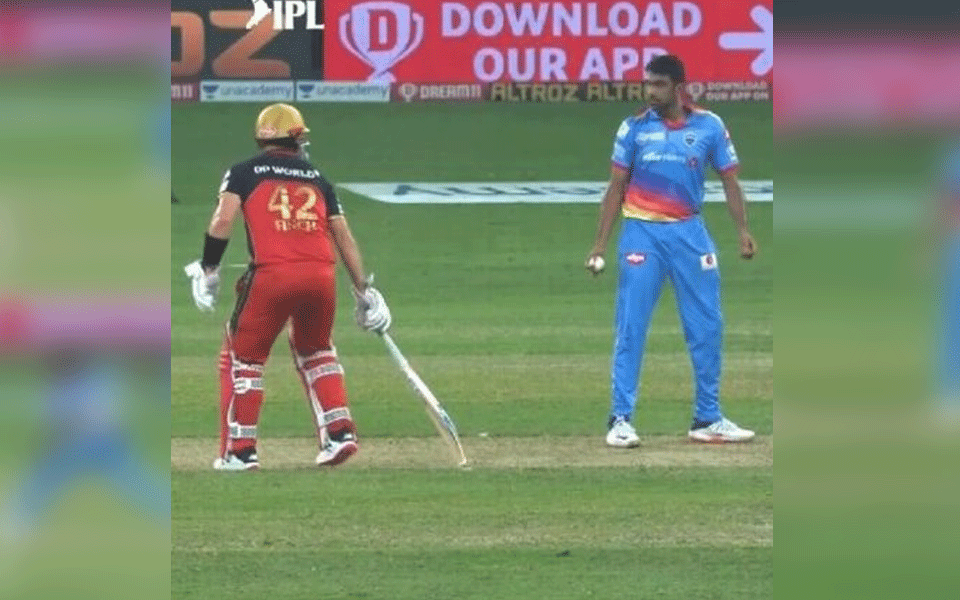
Dubai: India and Delhi Capitals off-spinner R Ashwin says sparing Aaron Finch in the clash against Royal Challengers Bangalore was his first and last warning to batsmen backing up too far at the non-striker's end and he should not be blamed if he runs them out in future games.
Royal Challengers Bangalore opener Aaron Finch was caught short of the crease when he backed up too far during Monday's IPL game but Ashwin did not dislodge the bails and only gave a warning to the Australian.
The off-spinner, though, put out the warning on his twitter page.
"Let's make it clear !! First and final warning for 2020. I am making it official and don't blame me later on. @RickyPonting #runout #nonstriker @AaronFinch5 and I are good buddies btw #IPL2020," Ashwin tweeted.
Ashwin had courted controversy when he ran out Jos Buttler during last year's IPL when the England batsman backed up too far at the non-striker's end. Several cricketers criticised him for not showing sportsman's spirit.
It became an issue before the start of this year's IPL when Delhi Capitals head coach Ricky Ponting said he would not let Ashwin run out batsmen in that fashion after the veteran joined them having played for Kings XI Punjab, in 2019.
Ashwin and Ponting had a discussion on the issue after they arrived in the UAE. Ponting was seen smiling when Ashwin let Finch continue with a warning on Monday.
Ponting, a legend of the game and a staunch critic of the practice, had backed the senior India off-spinner when he asked if the batsman should also be penalised for leaving the crease at the non-striker's end before a ball is delivered.
Let’s make it clear !! First and final warning for 2020. I am making it official and don’t blame me later on. @RickyPonting #runout #nonstriker @AaronFinch5 and I are good buddies btw.?? #IPL2020
— Ashwin ?? (@ashwinravi99) October 5, 2020
Let the Truth be known. If you read VB and like VB, please be a VB Supporter and Help us deliver the Truth to one and all.
Karnataka School Edu Dept prohibits children from being made to dance to obscene songs
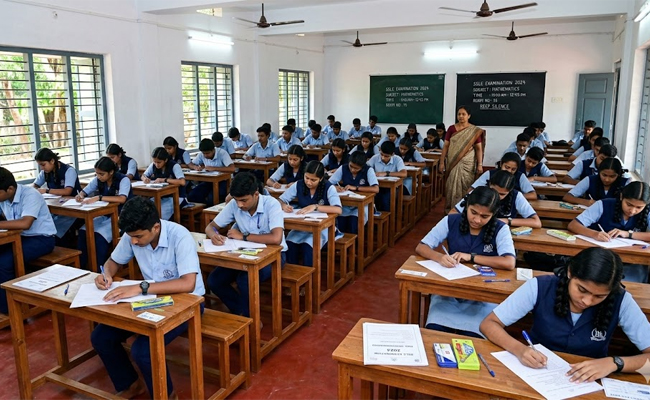
Bengaluru (PTI): The Karnataka School Education Department has issued a circular strictly prohibiting children from being made to dance to obscene songs in educational and cultural programmes.
It stated that such dances would negatively impact students' mental health and moral values. It will create indiscipline and harm the sanctity of education.
"All the Deputy Directors (Administration) of the state's School Education Department have been asked to take strict measures to prevent children or students from dancing to obscene songs in all government, aided and unaided schools in the state," the office of the commissioner of the School Education Department said in a recent circular.
"If it is found that children are being made to dance to obscene songs, appropriate action will be taken against the headmaster or management of such school," it added.
The department also listed certain measures in this regard, which include: strictly prohibiting children from being made to dance to obscene songs during educational and cultural programmes; selecting songs that are inspiring, positive, instilling national pride in children and reflecting the greatness, dignity, values, culture, and morality of the state.
Stating that the school headmaster and management are responsible for selecting songs and dances for cultural programmes, it said, they should also ensure that students wear decent clothes in dance or cultural programmes.