Gautam Gambhir appointed head coach of India men's cricket team
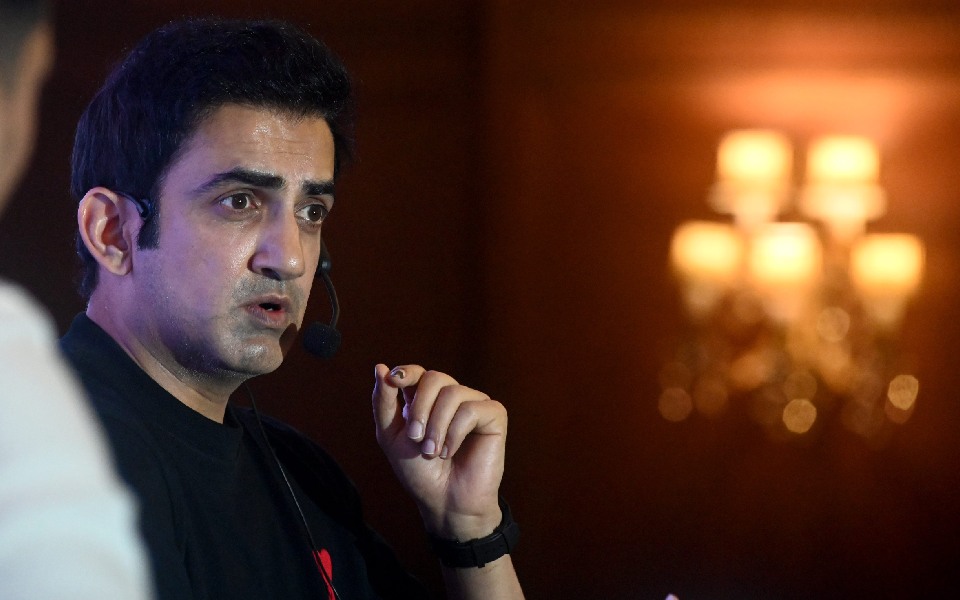
New Delhi, Jul 9: World Cup-winning opening batter Gautam Gambhir was on Tuesday named as the head coach of the Indian men's cricket team, replacing Rahul Dravid at the top post.
Dravid quit the post after India's recent T20 World Cup triumph in the Americas.
"It is with immense pleasure that I welcome Mr @GautamGambhir
as the new Head Coach of the Indian Cricket Team. Modern-day cricket has evolved rapidly, and Gautam has witnessed this changing landscape up close. Having endured the grind and excelled in various roles throughout his career, I am confident that Gautam is the ideal person to steer Indian Cricket forward," BCCI secretary Jay Shah posted in his 'X' account.
"His clear vision for #TeamIndia, coupled with his vast experience, positions him perfectly to take on this exciting and most sought-after coaching role. The @BCCI fully supports him as he embarks on this new journey."
The 42-year-old Gambhir, a key member of the 2011 ODI World Cup-winning Indian side, led Kolkata Knight Riders to IPL titles in 2012 and 2014.
He was the mentor of the KKR team that won the IPL title in 2024.
It is with immense pleasure that I welcome Mr @GautamGambhir as the new Head Coach of the Indian Cricket Team. Modern-day cricket has evolved rapidly, and Gautam has witnessed this changing landscape up close. Having endured the grind and excelled in various roles throughout his… pic.twitter.com/bvXyP47kqJ
— Jay Shah (@JayShah) July 9, 2024
Let the Truth be known. If you read VB and like VB, please be a VB Supporter and Help us deliver the Truth to one and all.
Lebanon appoints new representative for talks with Israel, rejects linkage to Iran
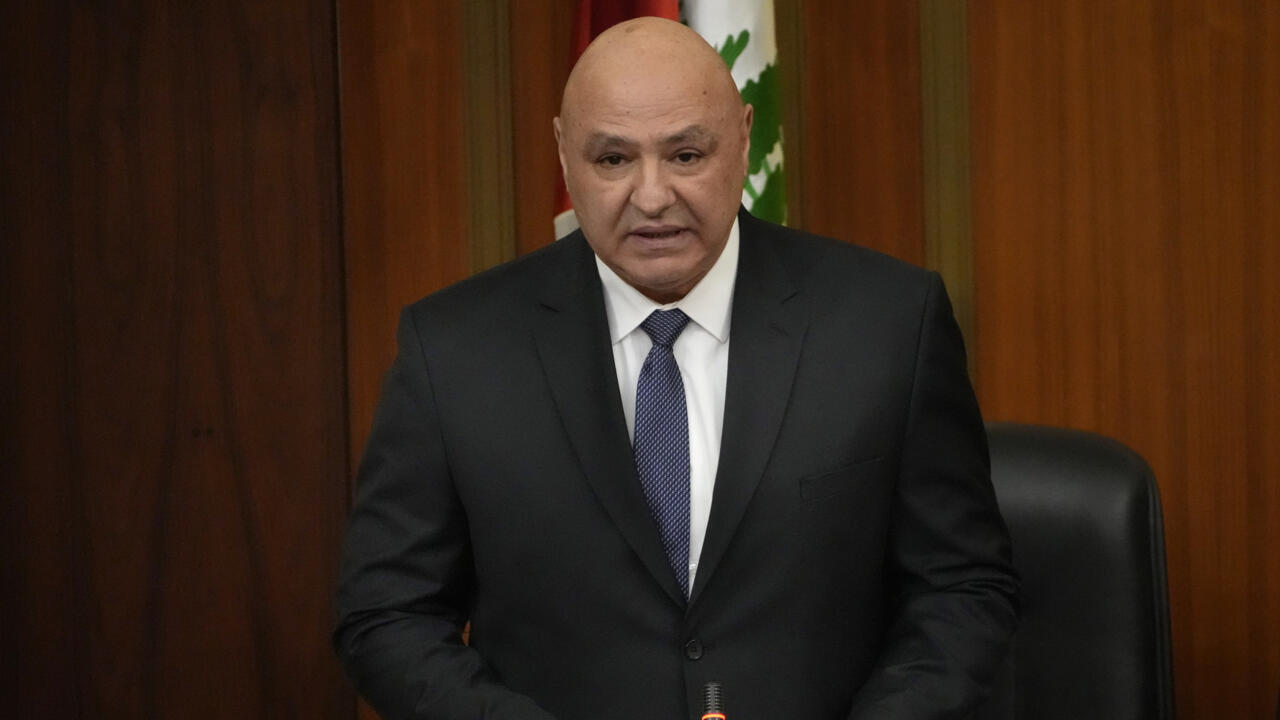
Beirut: Lebanon’s has moved to underline its independent position in ongoing regional developments, amid attempts to link the country to the broader conflict involving Iran, the United States and Israel.
President Joseph Aoun, while announcing the appointment of former US ambassador Simon Karam as Lebanon’s representative in talks with Israel, made it clear that Karam would be the sole representative for Lebanon and that there would be no substitute.
The move comes in response to what the Lebanese officials see as efforts by Iran to tie Lebanon’s situation to the wider regional conflict. Iran had indicated that there would be no ceasefire involving the US, Israel and Iran unless it also included a ceasefire in Lebanon.
Some groups, including Hezbollah and its supporters, had expressed support for linking the situations, citing concerns that the Lebanese government has limited leverage in negotiations with Israel. Lebanon is not formally a party to the conflict, and its army is considered weak.
However, others, including Prime Minister Nawaf Salam, have opposed this approach. They view Iran’s stance as an attempt to influence Lebanon’s internal affairs and see it as undermining the country’s sovereignty.
Officials backing the government’s position say the move is aimed at reaffirming Lebanon’s sovereignty and ensuring that decisions about peace and ceasefire within the country are not dictated externally.
They also see it as a safeguard, so that any breakdown in talks between the US, Israel and Iran does not automatically lead to renewed conflict in Lebanon.