Gayle set for IPL 2020 debut as KXIP face RCB in must-win game
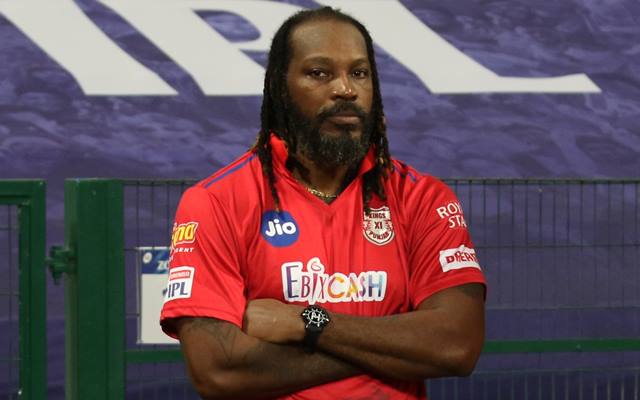
Sharjah: Kings XI Punjab will be hoping that Chris Gayle fires on his much-awaited return and they, for once, put up a complete performance in their must-win game against a high-flying Royal Challengers Bangalore here on Thursday.
The inability to produce an all-round show and close out games they should have won has led to KXIP losing six out of their seven matches.
But KXIP can take confidence from the fact their only win in the tournament has come against RCB, who look a much more potent squad since their last meeting on September 24.
Though the Sharjah wicket has been slowing gradually, the smaller ground dimensions are ideal for someone like Gayle to go on a six-hitting spree.
However, it certainly won't be easy for the 41-year-old to get going from ball one, having not played earlier in the competition.
He would have played the last two games but could not due to food poisoning. Having recovered fully, it will be interesting to see who he replaces in the side.
Benching a yet to fire Glenn Maxwell is one option or the team can bring Gayle at the expense of an overseas bowler and replace him with the available Indian talent.
KXIP are languishing at the bottom of the table despite having the top-two leading run-getters of the tournament in skipper K L Rahul (387 at strike rate of 134.84) and his opening partner Mayank Agarwal (337 at 48.14).
Barring Mohammad Shami and Ravi Bishnoi, none of the bowlers have inspired confidence, especially in the death overs.
Not being able to find the right balance despite trying out many options has also contributed to KXIP's rapid slide.
They run into a RCB squad which has grown in confidence by leaps and bounds since their last meeting.
For the first time in many years, they seem to have fixed their bowling woes.
Their spin pairing of Washington Sundar and Yuzvendra Chahal has proved very effective and the pace department has strengthened with the return of Chris Morris from injury.
RCB's last game against KKR was also on this ground, so they come into the game more aware of the gradually changing conditions than KXIP, who played here last on September 27 when the surface was much better to bat on.
With Aaron Finch back among the runs against KKR, RCB's top-four (including Devdutt Padikkal, Virat Kohli and AB de Villiers) can be a nightmare for any team.
Squads:
RCB: Virat Kohli (c), AB de Villiers, Parthiv Patel (wk), Aaron Finch, Josh Philippe, Chris Morris, Moeen Ali, Mohammed Siraj, Shahbaz Ahmed, Devdutt Padikkal, Yuzvendra Chahal, Navdeep Saini, Dale Steyn, Pawan Negi, Isuru Udana, Shivam Dube, Umesh Yadav, Gurkeerat Singh Mann, Washington Sundar, Pavan Deshpande, Adam Zampa.
KXIP: Lokesh Rahul, Harpreet Brar, Ishan Porel, Mandeep Singh, James Neesham, Tajinder Singh, Chris Jordan, Karun Nair, Deepak Hooda, Ravi Bishnoi, Arshdeep Singh, Glenn Maxwell, Mujeeb Ur Rahman, Sarfaraz Khan, Sheldon Cottrell, Mayank Agarwal, Mohammed Shami, Darshan Nalkande, Nicholas Pooran, Chris Gayle, Murugan Ashwin, Jagadeesha Suchith, Krishnappa Gowtham, Hardus Viljoen, Simran Singh.
Let the Truth be known. If you read VB and like VB, please be a VB Supporter and Help us deliver the Truth to one and all.
Karnataka School Edu Dept prohibits children from being made to dance to obscene songs
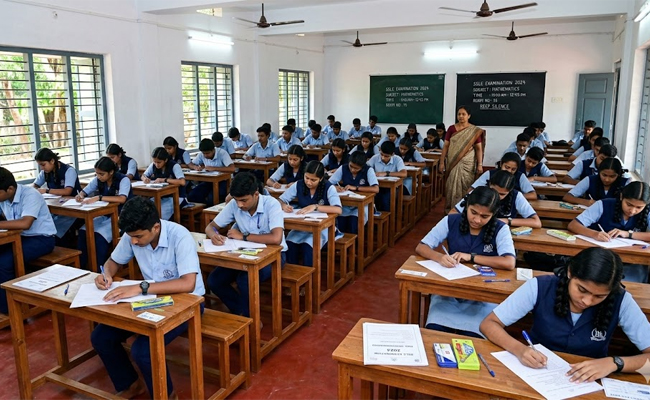
Bengaluru (PTI): The Karnataka School Education Department has issued a circular strictly prohibiting children from being made to dance to obscene songs in educational and cultural programmes.
It stated that such dances would negatively impact students' mental health and moral values. It will create indiscipline and harm the sanctity of education.
"All the Deputy Directors (Administration) of the state's School Education Department have been asked to take strict measures to prevent children or students from dancing to obscene songs in all government, aided and unaided schools in the state," the office of the commissioner of the School Education Department said in a recent circular.
"If it is found that children are being made to dance to obscene songs, appropriate action will be taken against the headmaster or management of such school," it added.
The department also listed certain measures in this regard, which include: strictly prohibiting children from being made to dance to obscene songs during educational and cultural programmes; selecting songs that are inspiring, positive, instilling national pride in children and reflecting the greatness, dignity, values, culture, and morality of the state.
Stating that the school headmaster and management are responsible for selecting songs and dances for cultural programmes, it said, they should also ensure that students wear decent clothes in dance or cultural programmes.