Gill dethrones Babar Azam, becomes number 1 ranked ODI batsman, Kohli overtakes Rohit, enters top-4
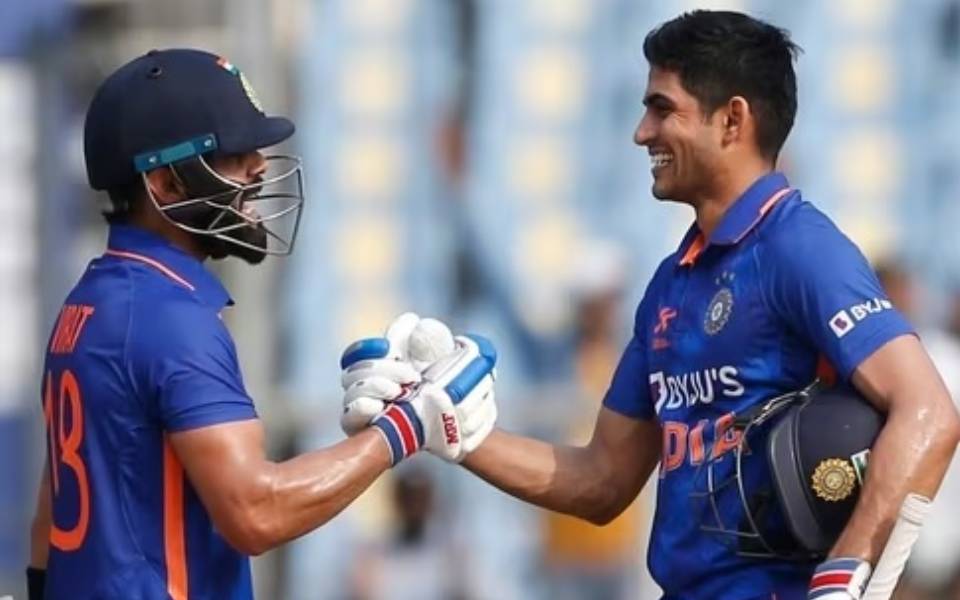
Dubai, Nov 8: India opener Shubman Gill and pacer Mohammed Siraj on Wednesday grabbed the top positions in the batting and bowling charts respectively in the ICC ODI rankings.
While Gill replaced Pakistan skipper Babar Azam from the top of the batters' chart, Siraj displaced South Africa spinner Keshav Maharaj in the bowlers' list.
Gill displaced Babar on the back of his solid start to India's campaign at the ongoing World Cup and in the process became just the fourth player from his country behind Sachin Tendulkar, Mahendra Singh Dhoni and Virat Kohli to hold the No.1 ODI batter ranking.
The right-hander has contributed scores of 92 against Sri Lanka and 23 against South Africa over the last week, and amassed a total of 219 runs from six innings at the ongoing tournament.
Babar has totalled 282 runs from eight knocks at the World Cup and dropped six rating points below Gill into second place as his reign of more than two years as the No.1 ranked ODI batter in the world came to an end.
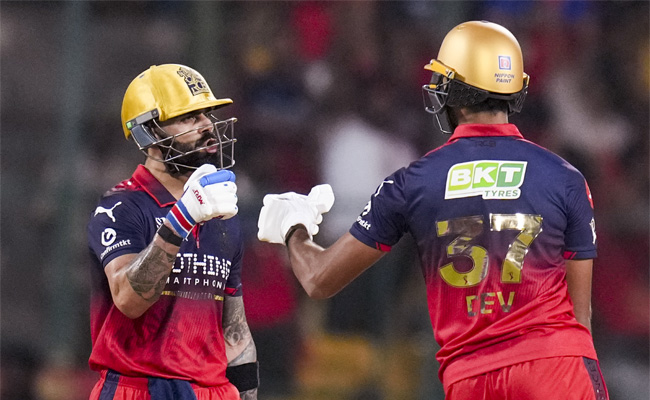
Among other Indian batters, Virat Kohli has risen to fourth place following his sensational run in the World Cup, while skipper Rohit Sharma is placed sixth.
Kohli is currently India's highest run-scorer, amassing 543 in eight innings at an average of 108.60, including two centuries and four fifties.
Kohli is one rating point behind third-placed Quinton de Kock of South Africa.
Middle-order batter Shreyas Iyer also rose 17 spots to be placed 18th in the rankings.
Pakistan opener Fakhar Zaman (up three spots to 11th) and Afghanistan counterpart Ibrahim Zadran (up six spots to 12th) also made good ground.
Meanwhile among bowlers, Siraj rose to the top spot with his impressive effort so far in the tournament.
Siraj has grabbed 10 wickets so far in eighth matches at an economy rate of 5.23 to displace Maharaj from the top.
Among other Indian bowlers, fellow Indian pacer Jasprit Bumrah has risen three spots to eighth, while Mohammed Shami jumped seven spots to be placed 10th on the chart.
Left-arm wrist spinner Kuldeep Yadav also climbed three places to be placed fourth, while fellow tweaker Ravindra Jadeja has moved up eight rungs to the 19th spot.
Bangladesh skipper Shakib Al Hasan is leading the all-rounders' chart, while Jadeja is the highest-ranked Indian at the 10th spot.
Jadeja is India's third-highest wicket-taker in the competition so far, scalping 14 wickets from eight matches at a good economy rate of 3.76, including a five-for. With the bat, he has piled up 111 runs in four innings at an average of 55.50.
Hardik Pandya, who will miss the remainder of the tournament after suffering an ankle injury in India's fourth match against Bangladesh, is down to 13th position.
Shubman Gill 🤝 Mohammed Siraj
— ICC (@ICC) November 8, 2023
India players claim the 🔝 positions in the latest @MRFWorldwide ICC Men's ODI Player Rankings 🤩#CWC23 | Details 👇https://t.co/nRyTqAP48u pic.twitter.com/B3DuA4sfYx
Let the Truth be known. If you read VB and like VB, please be a VB Supporter and Help us deliver the Truth to one and all.
Allahabad HC orders probe into 'reinstatement' of teacher in UP's Barabanki
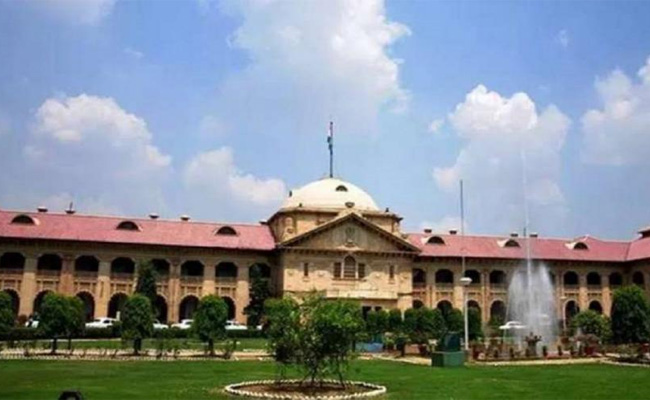
Lucknow (PTI): The Lucknow Bench of the Allahabad High Court on Friday ordered a probe by the special task force (STF) into alleged irregularities in the rejoining of a teacher at City Intermediate College in Barabanki, observing that the reinstatement appeared to be prima facie illegal.
The court also directed the recovery of the salary paid to the teacher during the disputed period.
A bench of Justice Rajeev Singh passed the order on a petition filed by the college management committee. The court expressed doubts over the roles of the District Inspector of Schools (DIOS), Barabanki, the college principal and the teacher concerned and hence, directed a detailed inquiry into the matter.
Taking note of alleged manipulation of records and misleading submissions, the court ordered the immediate transfer of the Barabanki DIOS to ensure a fair probe. It also directed the initiation of disciplinary proceedings against the then joint director of education of the Ayodhya division.
In its order, the court found that the teacher, Abhay Kumar, was initially appointed as an assistant teacher in 2018 but joined an Eklavya Model Residential School in Chhattisgarh as a lecturer in June 2024 without obtaining permission from the management. His subsequent request to retain the lien was rejected.
Despite this, he was allowed to rejoin the Barabanki College in September 2025 on the directions of the joint director of education and the DIOS, and was even paid the salary for October 2025. The court termed the rejoining "wholly illegal" and lacking any legal basis.
The bench also expressed concern over lapses in communication within the education department and directed the Uttar Pradesh chief secretary to ensure that official orders are communicated through email and WhatsApp as well, to prevent disputes.
The matter is next listed for hearing on May 28 when a compliance report is sought.