Have played nearly 500 games for India, can speak to any player be it Iyer or Kohli: Ganguly
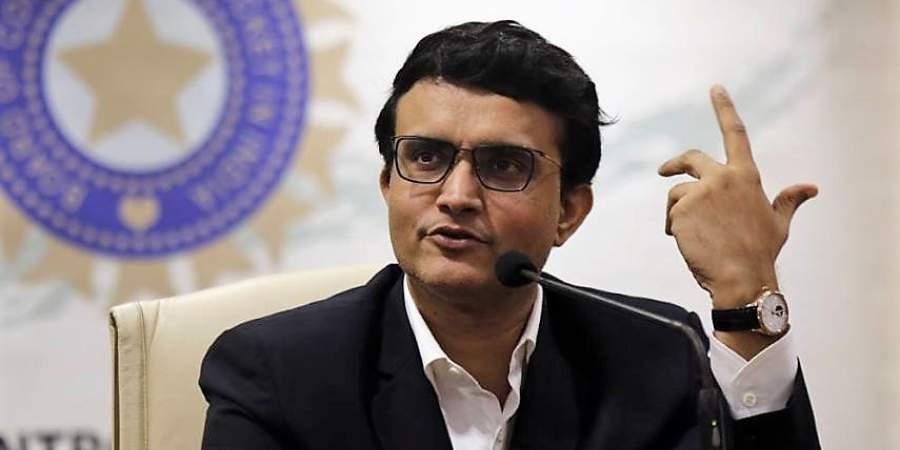
Kolkata: His nearly "500 international match experience" gives him the right to speak and guide any player "be it Shreyas Iyer or Virat Kohli", BCCI president Sourav Ganguly hit back at his detractors who made loose allegations of Conflict of Interest against the former India captain.
Before Delhi Capitals' first game of this season, skipper Shreyas Iyer gave an interview to Star Sports where he spoke about contributions from head coach Ricky Ponting and Ganguly (who was a mentor at DC in 2019) in helping him evolve as a successful player and captain.
However, his critics insinuated that Ganguly as BCCI president is helping a franchise captain where he was a mentor, which is a case of Conflict of Interest, something he vehemently denied.
While Iyer had clarified that he was referring to the 2019 season, Ganguly on the day put forth what he thought about the unnecessary controversy.
"I had helped him (Iyer) last year. I may be the Board president, but don't forget that I've played 500 matches (424 matches) for India, so I can speak to a young player and help him, be it, Shreyas Iyer or Virat Kohli. If they want help, I can," Ganguly said during a promotional event.
An irate Iyer, not too amused with the controversy, on his part, had tweeted his clarification.
"As a young captain, I am thankful to Ricky and Dada for being a part of my journey as a cricketer and captain last season. My comment ...... was to emphasize my gratitude towards the role they both have played in my personal growth as a captain," the DC captain had said.
Let the Truth be known. If you read VB and like VB, please be a VB Supporter and Help us deliver the Truth to one and all.
Karnataka School Edu Dept prohibits children from being made to dance to obscene songs
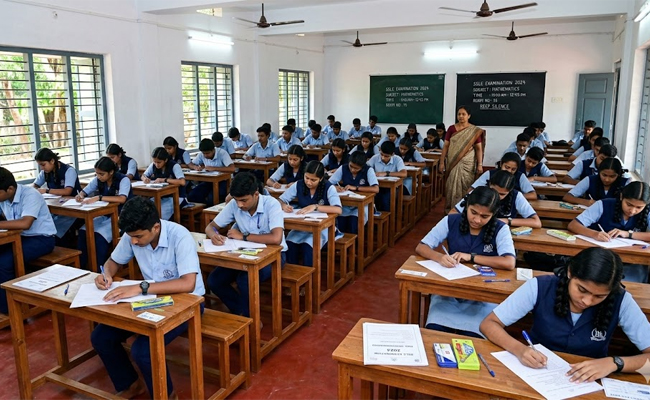
Bengaluru (PTI): The Karnataka School Education Department has issued a circular strictly prohibiting children from being made to dance to obscene songs in educational and cultural programmes.
It stated that such dances would negatively impact students' mental health and moral values. It will create indiscipline and harm the sanctity of education.
"All the Deputy Directors (Administration) of the state's School Education Department have been asked to take strict measures to prevent children or students from dancing to obscene songs in all government, aided and unaided schools in the state," the office of the commissioner of the School Education Department said in a recent circular.
"If it is found that children are being made to dance to obscene songs, appropriate action will be taken against the headmaster or management of such school," it added.
The department also listed certain measures in this regard, which include: strictly prohibiting children from being made to dance to obscene songs during educational and cultural programmes; selecting songs that are inspiring, positive, instilling national pride in children and reflecting the greatness, dignity, values, culture, and morality of the state.
Stating that the school headmaster and management are responsible for selecting songs and dances for cultural programmes, it said, they should also ensure that students wear decent clothes in dance or cultural programmes.